What to Do in Sucre, Bolivie?
Sucre is the constitutional capital of Bolivie. It was in this city that the country's Act of Independence was signed in 1825.
Sucre is the constitutional capital of Bolivie. It was in this city that the country's Act of Independence was signed in 1825. You'll find several signs throughout the city proclaiming "Where Bolivie Was Born." As you can imagine, Sucre played an essential role in the nation's history. And for that reason alone, it's well worth a visit. Discover the must-see attractions to explore in Sucre during a trip to Bolivie.
Stroll Through Sucre's Historic Center

Nicknamed "Ciudad Blanca" (White City), Sucre captivates with its blend of colonial architecture, immaculate white facades, tree-lined parks, and charming plazas. To get a true sense of its beauty, nothing beats exploring the historic center on foot.
We recommend stopping at the Plaza 25 de Mayo (May 25th Square) and settling onto a bench to soak in Sucre's laid-back atmosphere while observing everyday Bolivian life. You can then continue your walk to discover the historic buildings surrounding the plaza, particularly the magnificent Sucre Cathedral!
Visit the Casa de la Libertad

Beyond the cathedral, the Plaza 25 de Mayo is home to a museum that absolutely shouldn't be missed during a stay in Sucre: Casa de la Libertad. Considered the cradle of the Bolivian Republic, this museum offers fascinating insights into the country's political history.
The museum traces the nation's struggles for independence, from the arrival of Spanish Conquistadores through the Revolution. It was formerly the constitutional court where the fundamental laws establishing the Bolivian nation were signed, most notably the Act of Independence in 1825.
Beyond the museum itself, the building is worth visiting for its remarkable architecture.
Savor Sucre's Central Market

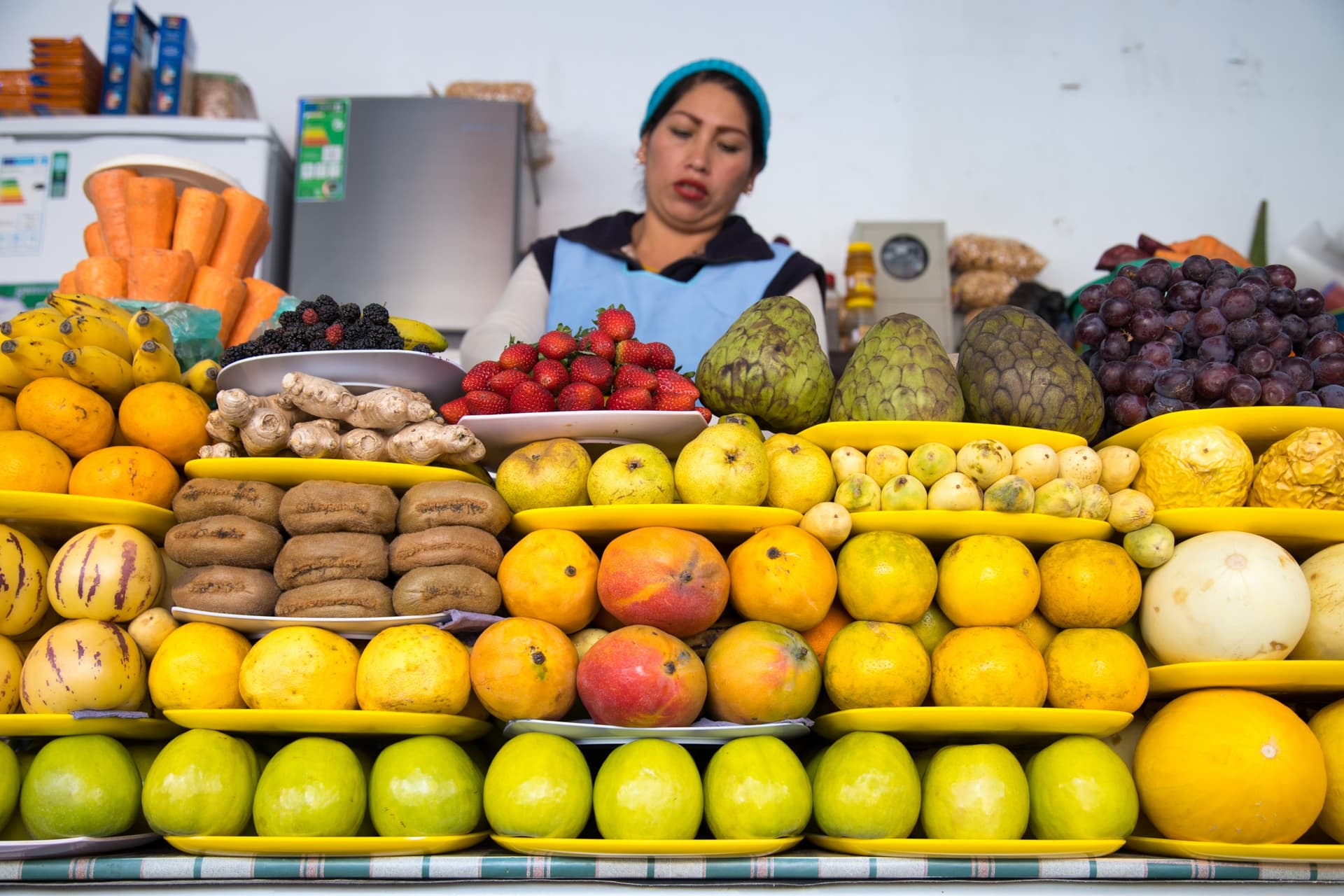
The Mercado Central (Central Market) is an essential stop during any visit to Sucre. This permanent covered market is the perfect place to sample Bolivian culinary specialties, eat local and budget-friendly (check out the street food section on the upper floor), stock up on fresh delicacies (such as avocados or exotic fruits like cherimoya or tumbo), and connect with local residents.
You can sample traditional dishes like chorizo or lomita—succulent beef—salchipapas (sausage and fries), or the city's specialty: saltenas, those delightful half-sweet, half-savory empanadas.
If you love markets, you can also visit the mercado campesino (mainly fresh produce) and the mercado negro (clothing and accessories of all kinds).
Take a Higher Perspective and Admire the City From the Recoleta Neighborhood

Located to the south on the heights overlooking the city, the Recoleta neighborhood is among Sucre's must-visit areas. After making the climb to get there, head to the Recoleta esplanade where you'll enjoy breathtaking views over the rooftops of the white city. You'll also discover the stunning arcades of Plaza Pedro de Anzúrez and La Parroquia Santa Ana.
Continue your visit to the Recoleta Convent, the neighborhood's main attraction. Beyond the structure itself, the convent's interior houses an impressive collection of religious, artistic, and literary works accumulated over its existence. The exterior features magnificent patios and flower-filled gardens. You can even see a 1,400-year-old cedar tree that has been declared a "historic monument of Bolivie."
Wander Through Simon Bolivar Park

Looking for a break and a chance to relax in green space? Head to Simon Bolivar Park. Located north of Sucre in the Sorapata neighborhood, Simon Bolivar Park is a popular spot among locals for leisurely walks. You can mingle with residents who gather here to spend quality time with family and friends.
It's worth noting that you'll also discover a miniature version of the Eiffel Tower! The metal structure stands in the center of the park's main fountain and even features a tiny staircase for climbing.
Discover Iglesia San Felipe de Neri

Here's one of the most beloved visits for travelers exploring Sucre. Originally, Iglesia San Felipe de Neri was built at the initiative of Archbishop José de San Alberto. The convent has since been converted into a school for girls.
Not only is it one of Sucre's most beautiful monuments, but you can also walk across the tile and mosaic roofs of the building to enjoy a 360-degree panorama of Sucre!
Good to know: The entrance is through a small door on Nicolas Ortiz Street. Across the street, you'll find the university office. You can go there to obtain a free visitor's guide.
Visit the Cementerio General de Sucre

Visiting a cemetery might seem unusual, but as surprising as it may sound, Sucre's General Cemetery is absolutely worth a visit. The city's residents are genuinely proud of this cemetery, which is considered one of the country's most sacred sites. Inaugurated in 1892, the Cementerio General is the work of architect Luis Nuñez del Prado.
You'll discover a calm and peaceful atmosphere along with a spectacular variety of mausoleums and crypts representing different periods and architectural styles. Important figures in Bolivian history are buried here, including former president Gregorio Pacheco. Be sure to request an official guide at the entrance before your visit!
Frequently asked questions
Generally, 2 to 3 days are sufficient to explore Sucre's main sites: the historic center, Casa de la Libertad, the central market, the Recoleta neighborhood, and various churches. If you also want to take excursions to nearby areas (Tarabuco, Cretaceous Park), add an extra day.
From La Paz, you can reach Sucre by plane (approximately 1 hour flight) or overnight bus (approximately 12 to 15 hours). Flying remains the most comfortable and fastest option. Airlines like BoA and Amaszonas offer regular flights.
Sucre enjoys a pleasant temperate climate year-round thanks to its altitude of approximately 2,750 meters. The dry season (April to October) is generally the ideal period to visit the city, with sunny days and minimal rainfall.
Yes, Sucre's historic center has been a UNESCO World Heritage Site since 1991, in recognition of its exceptional ensemble of Spanish colonial architecture and its historical significance as the birthplace of Bolivian independence.
In Sucre, you absolutely must try saltenas (half-sweet, half-savory empanadas, the city's specialty), chorizo, lomita (grilled beef), and salchipapas (sausage and fries). The central market is the perfect place to sample these specialties at budget-friendly prices.