Eastern Cordillera
Eastern Cordillera
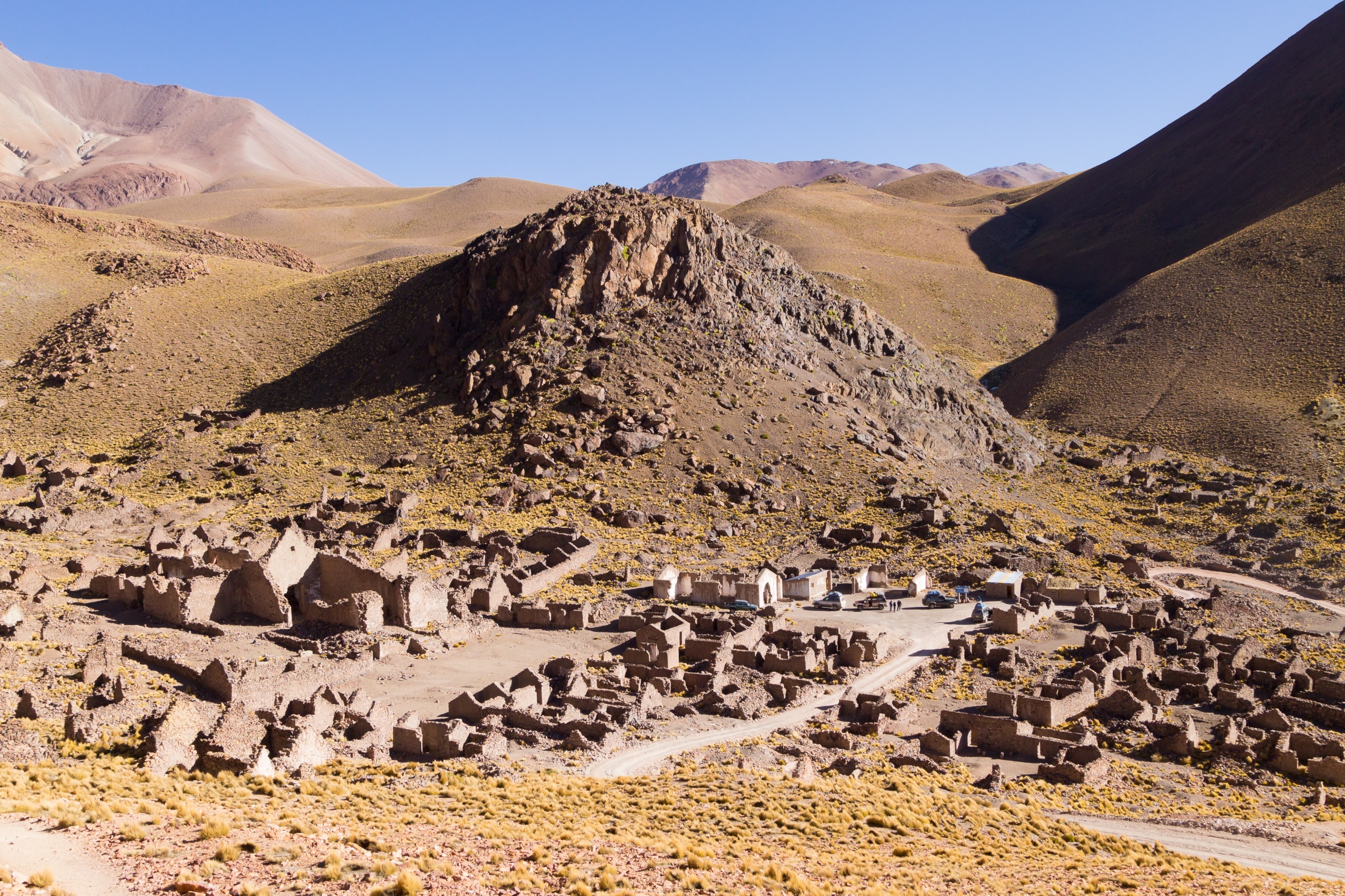
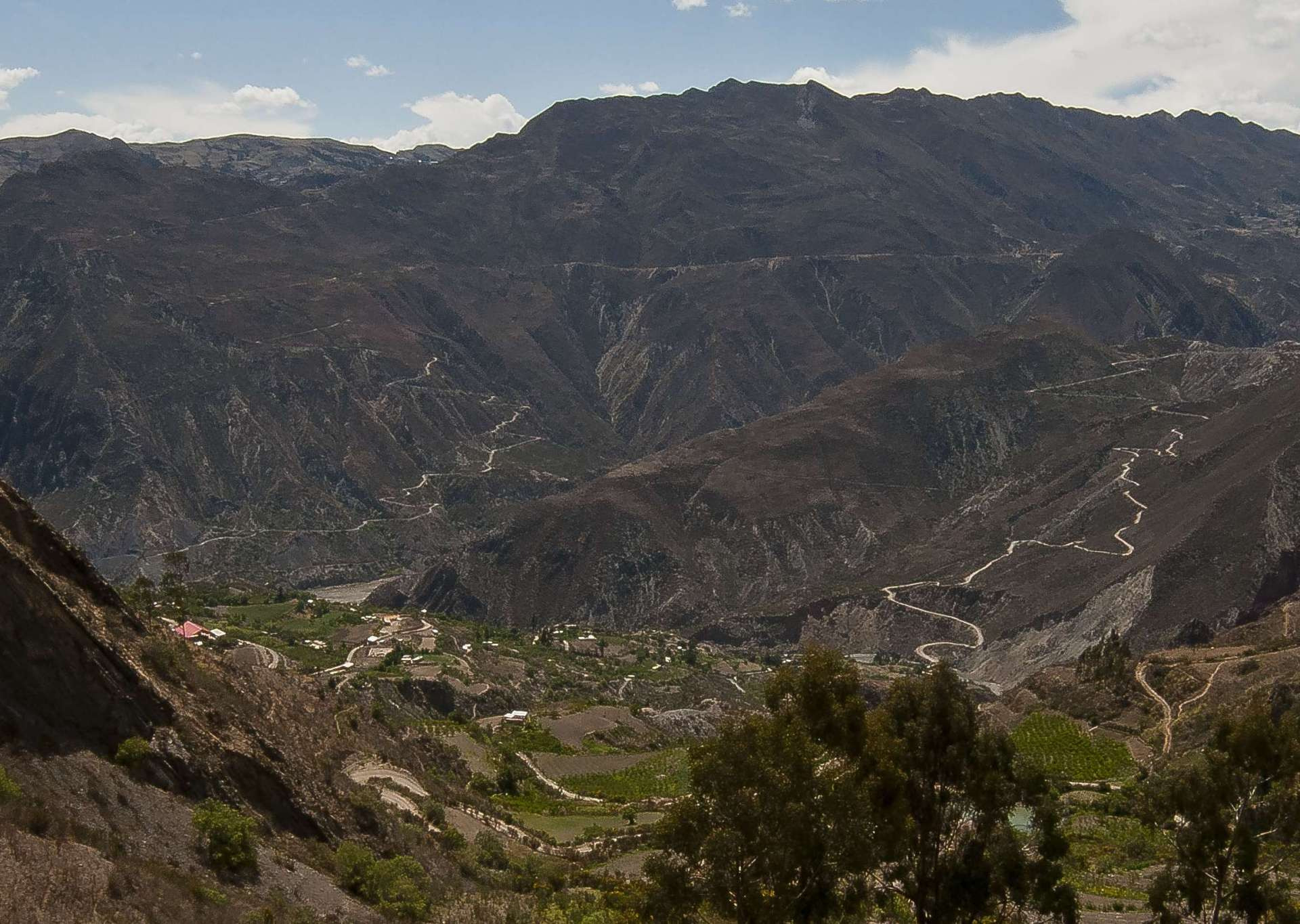
A major Andean branch of Bolivia, the Eastern Cordillera lines glacial peaks, high plateaus and humid valleys from Lake Titicaca to northern Argentina.
The Eastern Cordillera, also called the Central Andes, forms the backbone of Bolivia. The eastern branch of the Andes cordillera, it peaks at over 6,000 m in altitude and gives rise to the country's three major river basins: Lakes Titicaca and Poopo, the Pilcomayo river and the Amazonian network. Between glacial peaks, high plateaus and humid valleys, this is where much of the landscapes, peoples and narratives that define the Andean Bolivia concentrate.
Why visit the Eastern Cordillera
Few Andean ranges bring together so many contrasts at the same latitude. Within a few hours' drive, you pass from a dry altiplano at 3,700 m to the tropical valleys of the Chapare that receive up to 5,000 mm of rain annually, compared to less than 180 mm on the high plateaus. The Eastern Cordillera is also a cultural territory: the peaks of the royal cordillera bear the names of deities and great Aymara lords, while the Kallawayas of the Apolobamba perpetuate a traditional medicine recognized by UNESCO. Its subsoil, rich in gold, silver, tin, wolfram and manganese, shaped the country's mining history, from the heights of Quimsa Cruz to the galleries of Potosí.
What to see in the Eastern Cordillera
The cordillera unfolds in three sections in Bolivia, extended into Argentina in the provinces of Jujuy, Salta and northern Tucumán. Born from the Andean fold and the Bolivian tin belt, it comprises three major mountain ranges and a central high plateau.
The Apolobamba Cordillera
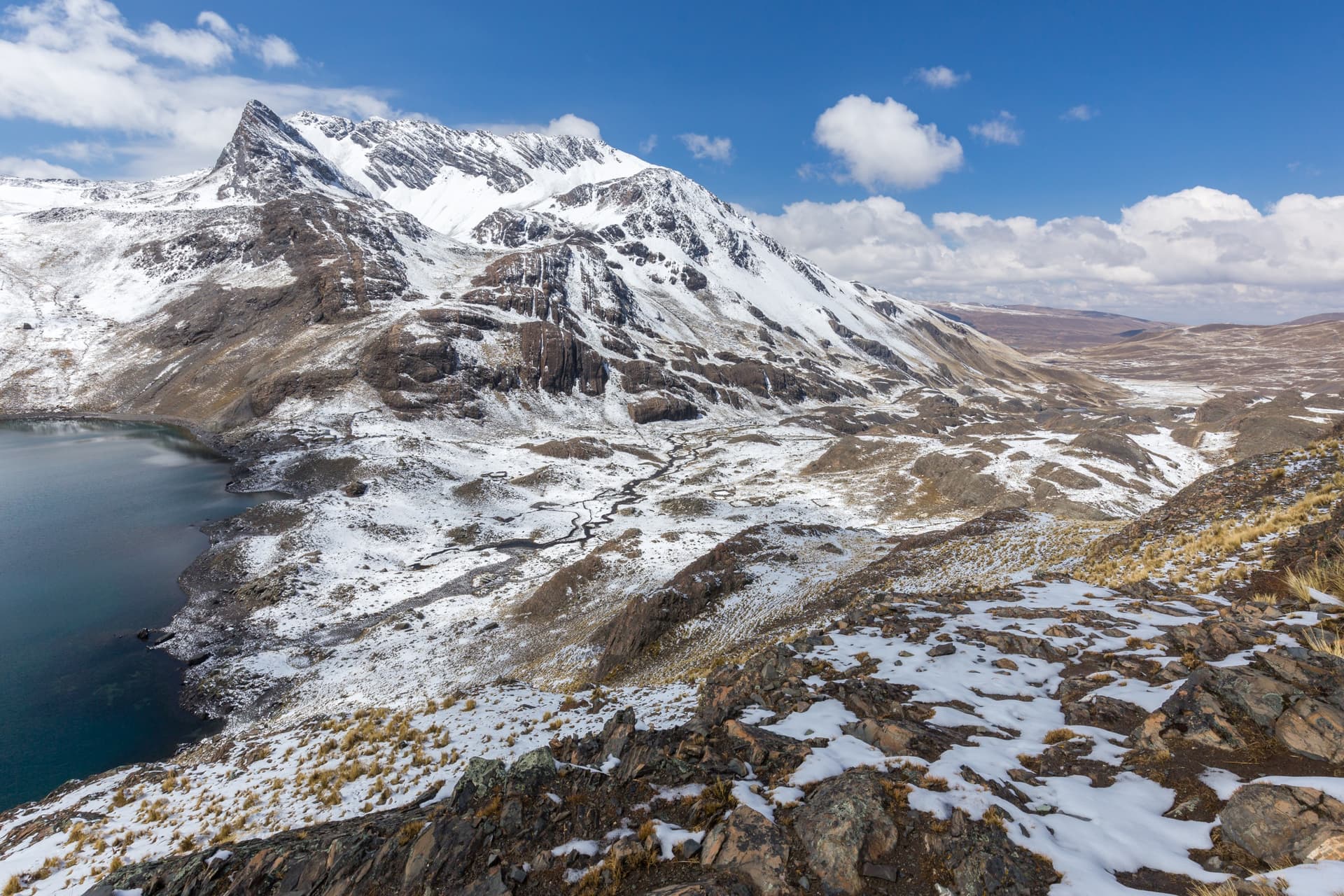
In the north, the Apolobamba lines high-altitude wetlands and snow-capped peaks. Its main summits are Wilakollo (5,816 m), Cololo (5,915 m) and Chaupi Orko (6,040 m). It is also the territory of the Kallawayas, an Andean people of itinerant healers whose botanical knowledge has been passed down since pre-Hispanic times.
The Royal Cordillera
Emblematic heart of the Eastern range, the royal cordillera stretches approximately 220 km of peaks from the Sorata valley to the Illimani massif. It lines some of Bolivia's highest summits: Illimani (which overlooks La Paz), Illampu (6,383 m), Ancohuma (6,247 m), Chachacomani (6,095 m), Huayna Potosi (6,088 m), Mururata (5,765 m) and Condoriri (5,640 m). In Aymara cosmovision, these mountains embody deities and protective lords.
The Quimsa Cruz Cordillera
Situated behind Illimani, the Quimsa Cruz — "cordillera of the three crosses" — concentrates significant mining deposits: Puntiagudo, Yunque, Inmaculado, Atoroma, all above 5,000 m. Less frequented than the royal range, it attracts mainly trekkers and mountaineers seeking confidential routes.
The Altiplano and its margins
Wedged between the eastern and western cordilleras, the Bolivian Altiplano spreads at an average altitude of 3,700 m. The north, more humid, is home to La Paz and Lake Titicaca; the center, in Oruro department, is drier and hosts part of Lake Poopo and the Coipasa salt flat. It is also the territory of the Chipayas, considered one of the oldest living Andean cultures in the Americas. On the plateaus, trilobite fossils can be found in places, testifying to the marine origin of these highlands.
When to go
The dry season, from May to October, remains the most favorable for high mountain areas: clear skies, cold nights, stable conditions for trekking and climbing. Between December and March, the rainy season makes trails difficult in the Yungas and Chapare, but offers verdant landscapes on the humid Altiplano. To combine the royal cordillera and the Apolobamba, choose June-August, the safest period for glaciers.
Practical information
- Altitude: most itineraries take place above 3,500 m. Acclimatization of 2 to 3 days in La Paz or around Lake Titicaca is essential before any trek.
- Guiding: technical ascents (Huayna Potosi, Illimani, Illampu) require a certified guide and high mountain equipment. Treks such as the Choro, the Takesi or the Apolobamba crossing are ideally done with a local guide.
- Permits: certain areas (Madidi national park, ANMI Apolobamba, Amboró park) require a moderate entry fee payable at the entrance.
- Health: prepare for altitude sickness treatment, high sun protection and technical clothing for temperature swings (-10 °C to +20 °C in a day).
How to get there
The natural gateway is La Paz, connected to Europe via Lima, Bogota or São Paulo. From the capital, allow 1 to 4 hours by road to reach the royal cordillera (Huayna Potosi, Condoriri, Sorata) by 4x4 or shared minibus. The Apolobamba is reached from Charazani (8 to 10 hours by road from La Paz). For the central section, Cochabamba serves the Yungas and Chapare, while Sucre and Tarija provide access to the southern sections.
See around
- The Chapare valley, an immediate tropical contrast with the Andean heights.
- The Pumiri chullpas, pre-Hispanic funerary towers of the Altiplano.
- The Church of Curahuara de Carangas, nicknamed the "Sistine Chapel of the Altiplano".
- The Cerro Rico mines in Potosí, mining extension of the cordillera.
Frequently asked questions
Frequently asked questions
Prepare your trip
The Eastern Cordillera lends itself to multiple readings: high-altitude trekking, Aymara and Kallawaya cultural immersion, mining exploration or simply panoramic crossing. To build a tailor-made itinerary, consult our trips in Bolivia.
Interested in this visit?
We can include it in your personalised itinerary.