Laguna Glaciar
Laguna Glaciar
High-altitude lake perched at 5,038 m in the Bolivian Royal Cordillera, accessible via a demanding 3-day trek from Sorata, at the foot of the Illampu-Ancohuma massif.
Laguna Glaciar is a high-altitude lake perched at 5,038 meters on the Illampu-Ancohuma massif, in the Bolivian Royal Cordillera. Dominated by a 30-meter glacier that towers over its waters, it extends for 780 meters in length and 360 meters in width. Considered one of the highest glacial lakes in South America, it attracts mainly experienced hikers who reach its shores at the end of a demanding trek from Sorata.
Why visit Laguna Glaciar
The site's appeal rests on three elements. First, the exceptional altitude of the location, which makes it one of the highest water expanses accessible on foot on the continent. Next, the immediate proximity of the glacier front, which plunges directly into the lake. Finally, the cultural dimension: for the Aymara communities in the region, these waters are a manifestation of the Pachamama, the Earth goddess, and the site retains a sacred significance.
Expect a demanding physical experience but rewarded with raw mineral landscapes, snow-capped peaks above 6,000 meters, and very limited crowds compared to other Andean treks.
A geological and sacred history
The lake formed in a cirque carved by ancient glaciers of the Illampu-Ancohuma massif, when melting filled the rocky basin. This glacial origin explains its milky turquoise color, caused by fine mineral particles in suspension.
The site has long been visited by Andean populations. Inca remains testify to the age-old worship practiced at these heights, where the lake is associated with fertility and healing. Neighboring communities still attribute healing powers to it and make offerings there.
The lake today faces the retreat of the glacier that feeds it. Over the past 50 years, its surface is said to have shrunk by approximately 20%. If the trend continues, some scientists estimate the lake could shrink significantly over the coming decades.
What to observe on site
The glacier front
The glacier that dominates the northern shore of the lake descends directly into the water. Depending on the season and visibility conditions, it is possible to hear the crackling of ice.
The panorama over Illampu and Ancohuma
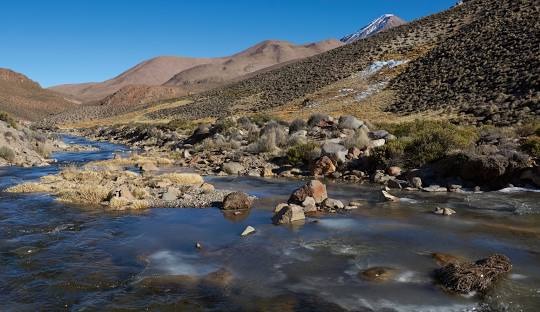
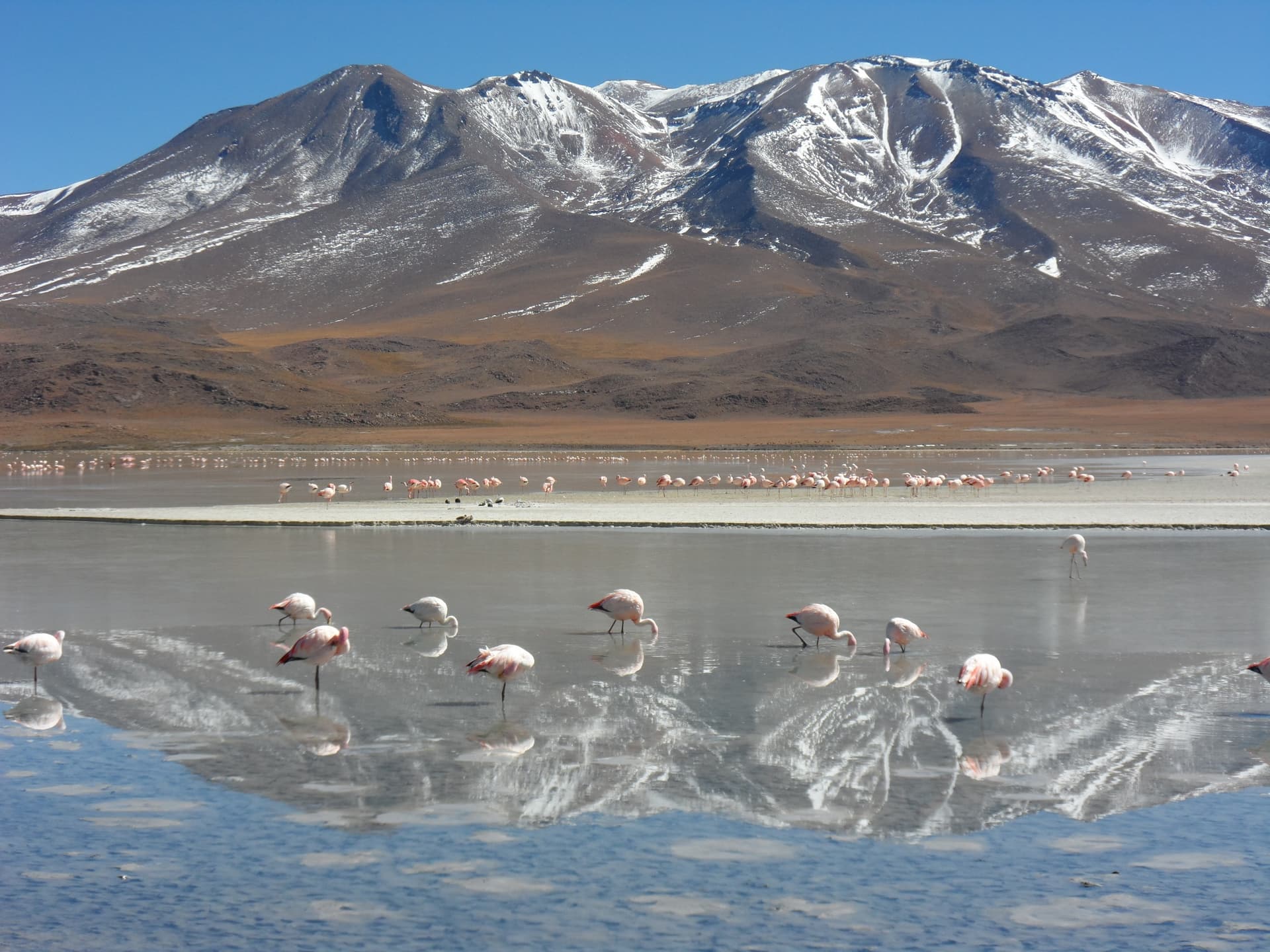
From the shores of the lake, the Illampu-Ancohuma massif, which peaks at 6,400 meters, dominates the horizon. The contrast between dark rock, ice and turquoise water constitutes the main visual feature of the site.
High-altitude fauna
On the lower sections of the trek, you encounter herds of llamas and alpacas belonging to local herders, as well as a few high-altitude bird species. The lake area itself, due to extreme altitude, is largely mineral.
Practical information
Required level. The trek is classified as difficult due to altitude. It is suited for hikers in good physical condition, already acclimatized to above 4,000 meters before attempting the ascent.
Acclimatization. Allow several days in La Paz (3,600 m) or around Lake Titicaca before heading up, to minimize the risk of acute mountain sickness.
Guide. Using a local guide is strongly recommended, if not essential. Agencies in Sorata organize the complete itinerary with pack mules and a guide.
Equipment. Technical warm clothing, down jacket, gloves, hat, category 4 glacier glasses, high-protection sunscreen, sleeping bag suitable for negative temperatures, high-ankle trekking shoes, insulated water bottle. Overnight temperatures in the bivouac can drop well below freezing.
When to go
The dry season, from May to September, remains the most favorable window. Days are sunny, trails are passable and visibility of the peaks is optimal. Nights, however, are very cold at these altitudes.
From December to March, the rainy season makes the ascent inadvisable: muddy trails, frequent fog, increased risk of fresh snow on exposed sections. April and October constitute acceptable but variable shoulder seasons.
How to get there
The starting point is the town of Sorata, located approximately 150 km from La Paz by road. The bus or private vehicle journey typically takes between 4 and 5 hours.
From Sorata, the classic trek is completed in three days:
- Day 1: climb to Laguna Chillata, a sacred lake renowned for the healing properties attributed to its waters. Bivouac on the shores.
- Day 2: ascent toward the foothills of the Illampu-Ancohuma massif, then approach to the lake. Bivouac at altitude.
- Day 3: arrival at Laguna Glaciar, time for observation, then start of the descent.
Some agencies offer a four-day variant to facilitate acclimatization.
Surroundings
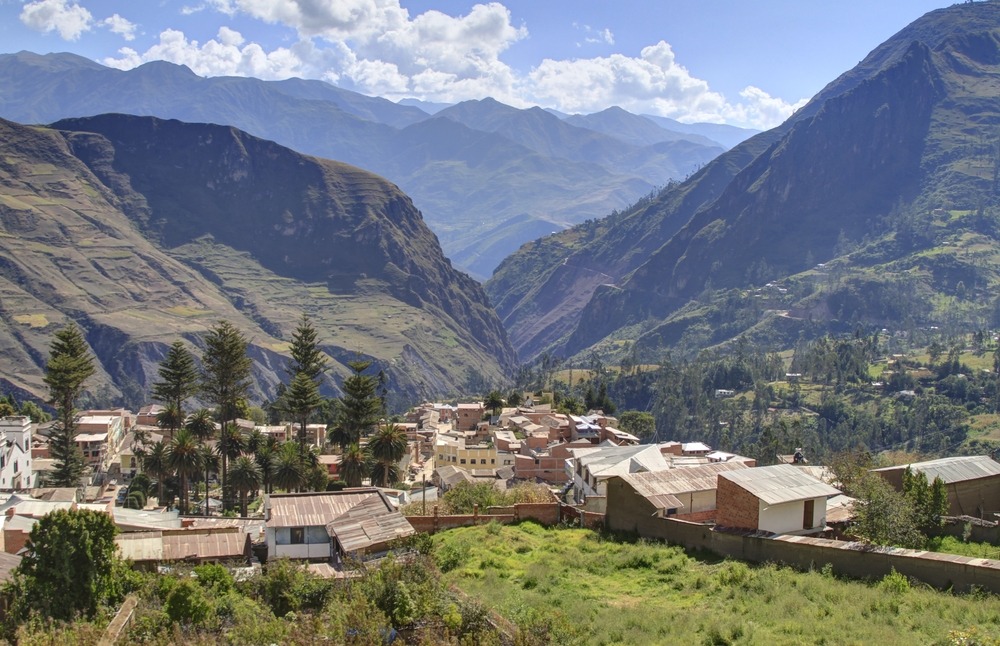
Sorata, nestled at the foot of Illampu, serves as a base for several other trekking routes in the Royal Cordillera. To extend a stay in Bolivie, several sites complement the Andean region well:
- Valley of the Moon, near La Paz, for its eroded formations.
- Chapare Valley, tropical contrast with high mountains.
- Cerro Rico mines, in Potosí, for historical and mining significance.
Frequently asked questions
Frequently asked questions
Plan your trip
Laguna Glaciar fits into a broader itinerary across the Royal Cordillera and the Altiplano. To incorporate this trek into a tailor-made circuit combining high mountains, Lake Titicaca and colonial cities, consult our trips in Bolivie.
Interested in this visit?
We can include it in your personalised itinerary.