Laguna Huanakota
Laguna Huanakota
High-altitude lagoon at 4,300 m on the slopes of Sajama volcano: Andean wildlife, Aymara-Quechua sacred site and gateway to Sajama National Park.
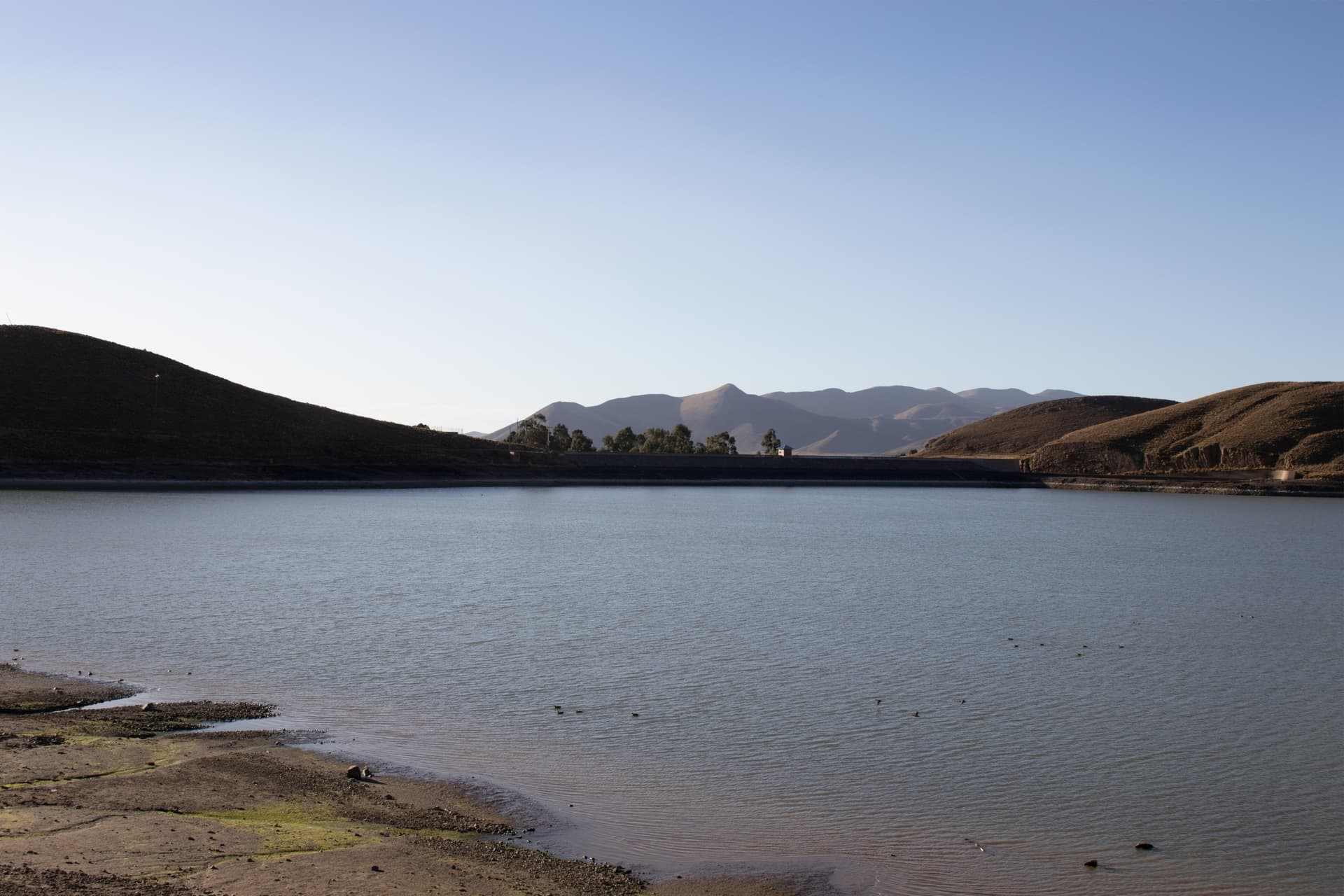
Laguna Huanakota is a high-altitude lagoon located in the Oruro Department, near Sajama National Park in western Bolivia. Perched at approximately 4,300 meters on the slopes of Sajama volcano, it remains largely undiscovered by international travelers and retains a wild character. Its appeal lies as much in its Andean setting as in its role as a sacred site for the Aymara and Quechua communities of the region.
Why visit
Laguna Huanakota stands out for combining three elements rarely found together: a high-altitude geography marked by proximity to Sajama volcano, Bolivia's highest peak at 6,542 meters, a varied Andean fauna concentrated around the water source, and a living spiritual dimension.
For the Aymara and Quechua peoples, the lagoon is a sacred place associated with Pachamama, the Earth Mother in Andean cosmology. Ceremonies are held here to seek blessings for crops and livestock, and it is not uncommon to find offerings of coca leaves, alcohol, or small handcrafted objects left on the shores. This ritual dimension accompanies the visit and demands a respectful attitude.
The site's relative remoteness, its altitude, and the absence of tourist amenities make it a destination reserved for travelers already acclimatized and self-sufficient, who seek an uncrowded natural site rather than a marked attraction.
What to see
The lagoon and its setting
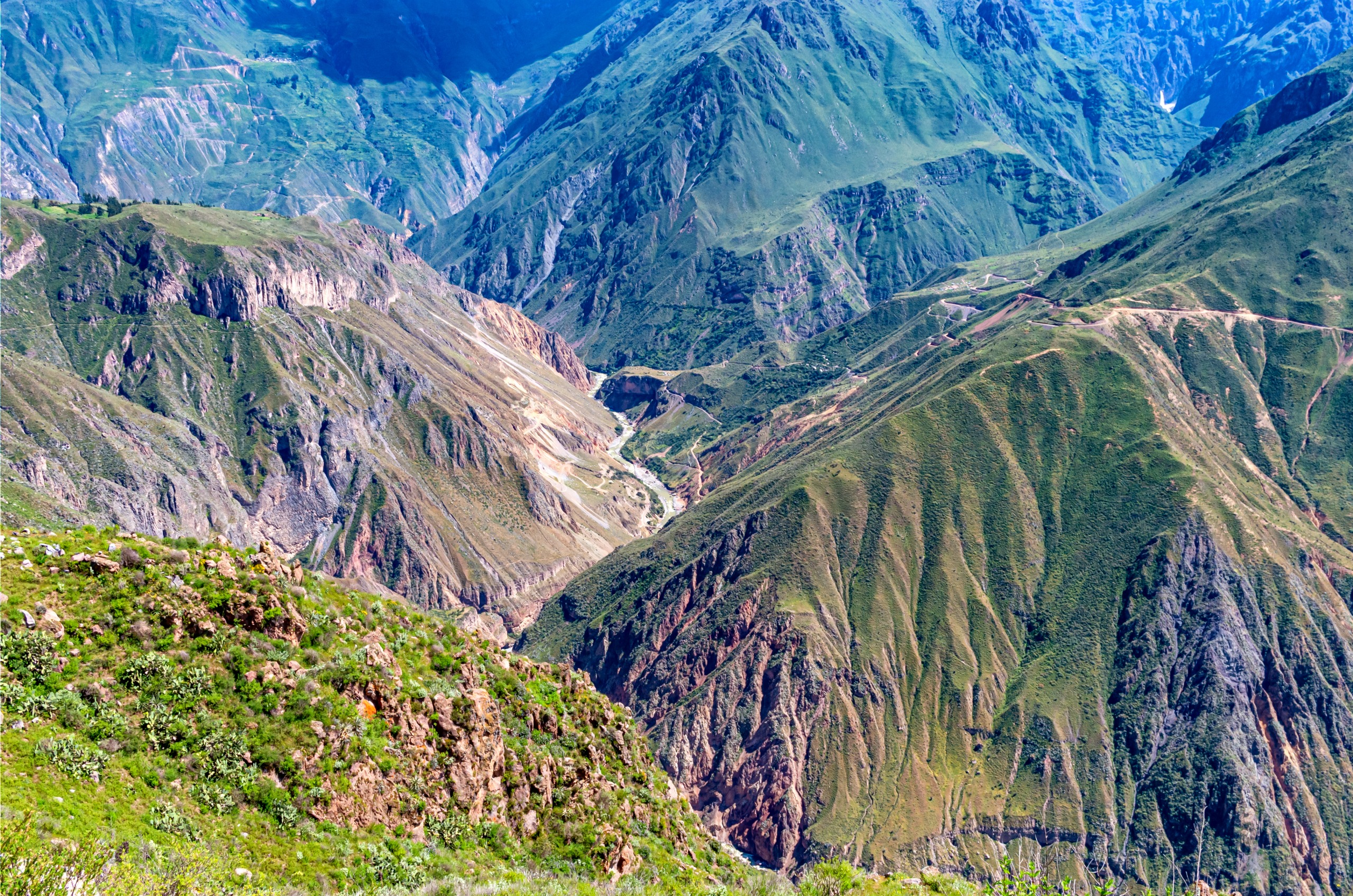
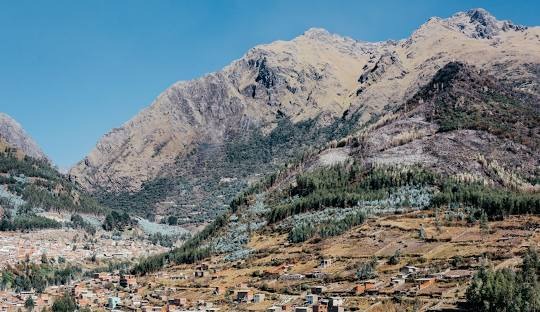
Huanakota's waters are fed by snowmelt from Sajama. Water levels fluctuate significantly by season: the lagoon can partially freeze during the coldest months and partially dry out during extended dry seasons. The setting combines arid plains with ochre tones, volcanic rock formations, and snow-capped peaks in the background.
The lagoon also serves as a water reserve for communities within Sajama National Park and for local wildlife, which explains its notable animal activity.
Wildlife
- Waterbirds: flamingos, Andean ducks, teal
- Camelids: wild vicuñas, herds of llamas and alpacas belonging to local communities
- Rarer species: Andean condor soaring above the ridges, Darwin's rhea, Andean armadillo
Binoculars are useful for observation, particularly early in the morning.
Flora
Vegetation is adapted to the cold and aridity of high altitude. You'll observe yaretas, compact cushion-like plants of intense green that grow extremely slowly on rocks, and low shrubs typical of the puna.
Practical information
- Altitude: approximately 4,300 meters — acclimatization is essential
- Climate: dry and sunny during the day, negative temperatures every night year-round
- Distance from Sajama village: approximately 12 km, roughly 3 hours' walk via the trail
- Fee: access to Sajama National Park requires a modest entrance fee
- Equipment: warm layered clothing, windproof jacket, strong sun protection, abundant water
- Guidance: a local guide is recommended, both for safety and for understanding the cultural significance of the site
The altitude exposes you to acute mountain sickness. It's best to spend several days in La Paz or another high-altitude location before heading to Sajama.
When to visit
The dry season, roughly May through October, offers the most stable conditions for hiking: clear skies, passable trails, maximum visibility of Sajama volcano. Nights are extremely cold, however.
Between December and March, the wet season brings possible snowfall at this altitude and complicates access, but the lagoon's water level is generally higher and vegetation more abundant. To observe flamingos and waterbirds, choose periods when the lagoon is neither frozen nor too dry, such as the end of the dry season and beginning of the wet season.
How to get there
Access is from La Paz. The simplest option using public transport is to take a minibus to Patacamaya, then transfer to Sajama National Park. The nearest stopping point is the village of Lagunas, which serves as the park's gateway. From Sajama or Lagunas, the lagoon is reached on foot via the trail, or by 4x4 vehicle depending on conditions.
Private transportation or an organized tour from La Paz remains often the most comfortable option, especially to combine Sajama with other Altiplano sites over two or three days.
Nearby attractions
- Sajama National Park: Sajama volcano, queñoa forests (among the world's highest-altitude trees), geysers and natural thermal baths.
- Sajama village: Aymara hamlet that serves as a logistical base for exploring the area, with community accommodations.
- Other Bolivian highlights complement this high-altitude stay nicely, such as the Valley of the Moon near La Paz, the Cerro Rico mines in Potosí, or the Tatio geysers.
Frequently asked questions
Frequently asked questions
In the Oruro Department, near Sajama National Park, on the slopes of the volcano of the same name, at approximately 4,300 meters altitude.
It's not mandatory, but strongly recommended. A local guide improves safety on the trail, provides insights into the stories connected to Pachamama, and facilitates interactions with the communities.
Plan for at least a full day from Sajama village, with approximately 3 hours' walk to reach the lagoon. To make the most of the park and acclimatization, two to three days on-site are preferable.
The transitional periods between dry and wet seasons are most favorable, when the water body is sufficiently supplied without being frozen.
No. There is no tourism infrastructure on site: no dedicated visitor center, no dining, no signage. Accommodation is in Sajama village.
Planning your trip
Laguna Huanakota fits into a demanding but coherent high-altitude itinerary centered on Sajama National Park. To integrate this stop into a broader circuit between the Altiplano, Salar de Uyuni and colonial cities, consult our trips in Bolivia.
Interested in this visit?
We can include it in your personalised itinerary.