San Pedro Cave
San Pedro Cave
At the foot of a marble cliff near Sorata, San Pedro Cave shelters an underground lagoon, bats and an old colonial legend.
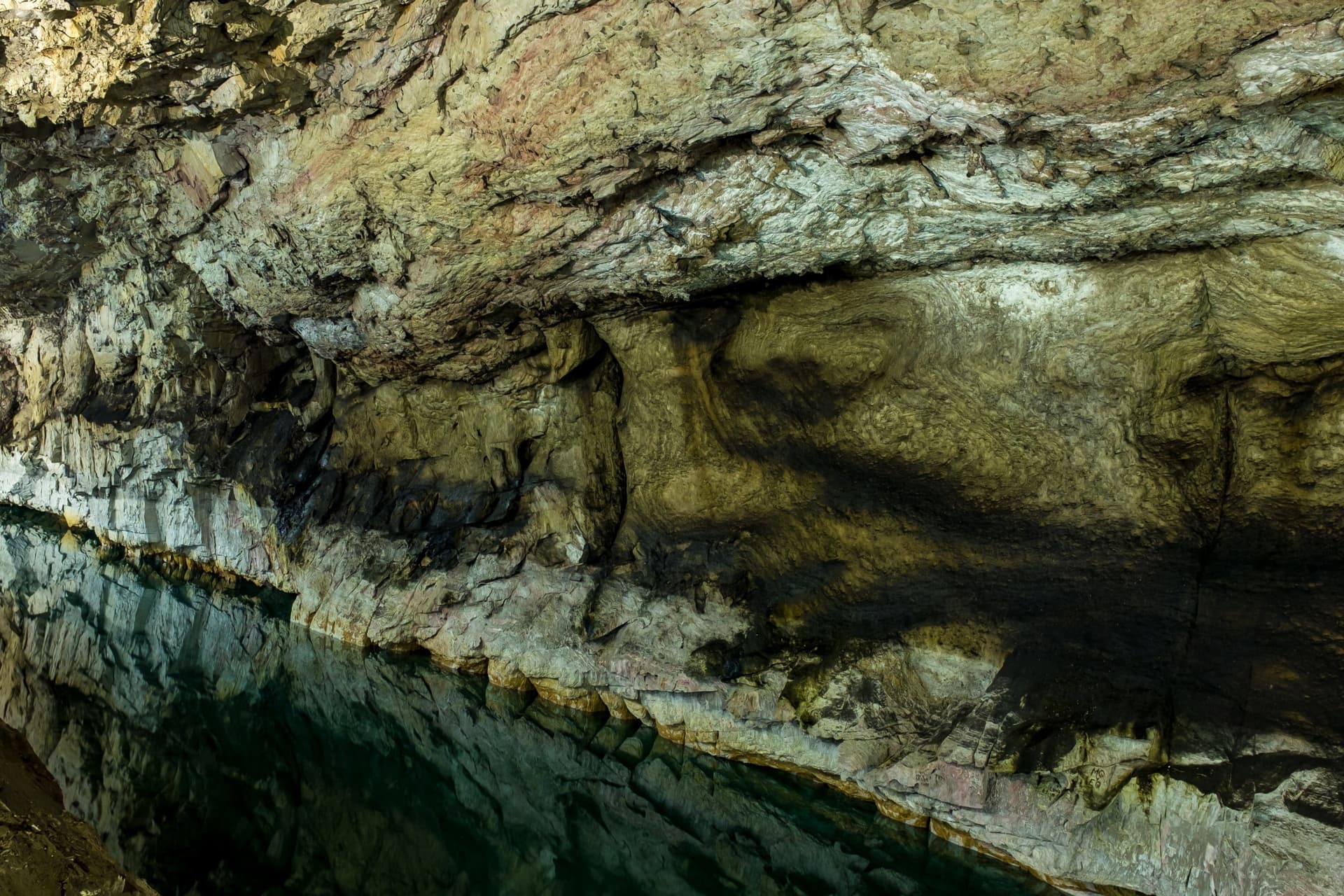
A day's hike from Sorata, in the Bolivian Royal Cordillera, San Pedro Cave opens at the base of a marble cliff 40 meters high. Known to the Aymara as Chussek Uta, "House of Owls," it shelters an underground lagoon and a network of chambers that you traverse partly by swimming or pedalo.
Why visit San Pedro Cave
The site combines several rarely found attractions: remarkable geology (limestone and marble), a persistent colonial legend, accessible cave fauna and an interior lake whose waters are locally believed to have healing properties. The hike leading to it, through the Sorata valley, crosses mid-altitude Andean landscapes that contrast with the Altiplano. It's a full-day excursion for those seeking something beyond the classics of Bolivia—the Salar or Lake Titicaca.
History and legend
The Aymara name Chussek Uta recalls the ancient occupation of the site by owls nesting in crevices. The grotto owes its Spanish name to the nearby village of San Pedro, near which its discreet entrance is found.
An oral tradition, still recounted by locals, holds that conquistadores hid treasure deep in the cavity before flooding the galleries to protect it. No excavation has confirmed the story, but it partly explains why the deeper sections remain poorly mapped: a large chamber remains submerged and only part of the network is accessible.
What you'll see on site
Access is through an old stone portal roughly 2 meters high and 1 meter wide. Next comes an intermediate chamber with an inclined floor and ceiling that gradually lowers from 2 meters to 1 meter: you'll need to crouch, even crawl a few meters, before emerging into the main cavern.
This vast chamber measures approximately 30 meters wide by 15 meters high. It is largely occupied by a crystalline underground lagoon, whose temperature remains cool year-round. Locals attribute healing properties to it and some visitors swim in it. Beyond the lake, exploration continues by boat or pedalo, equipment generally rented on-site.
As for wildlife, the cavity is home to:
- nectar-feeding bats, visible especially at the start or end of your visit;
- cave spiders and insects;
- a few lizards near the entrance.
A headlamp is essential beyond the first chamber. A helmet is generally provided with your entrance ticket.
Practical information
- Visit duration: allow 1 to 1.5 hours on-site, excluding the approach.
- Difficulty: easy to moderate; one passage requires crawling a few meters.
- Fee: modest entrance fee, payable in bolivianos on-site. Boat or pedalo rental additional.
- Hours: daytime opening, generally morning through late afternoon. Best to depart early from Sorata.
- What to bring: hiking shoes, spare flashlight, water, snacks, warm clothing for indoors, swimsuit and towel for the lagoon.
When to go
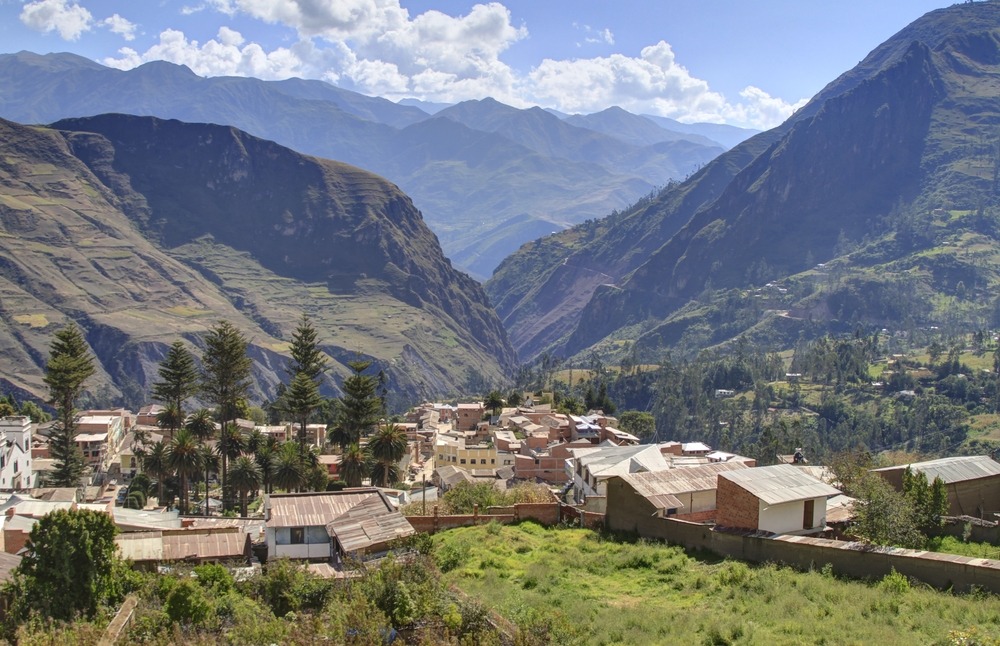
The Sorata region sits in a mid-altitude Andean valley with a more temperate climate than La Paz. The dry season, May to October, is clearly preferable: trails are passable, water levels in the cave are stable and visibility of the Royal Cordillera peaks is better. From December to March, the rainy season makes the access track slippery and may disrupt visits.
How to get there
Sorata is roughly 150 km north of La Paz, about 3 to 4 hours by regular minibus from the cemetery district in La Paz. From Sorata, two options to reach the cave:
- On foot: a hike of roughly 15 km each way, about 3 to 4 hours along a marked dirt path. This is the most common approach and typically justifies a full day.
- By vehicle: taxis and minibuses serve the San Pedro hamlet from Sorata's bus station; a short walk remains to the cave entrance.
It is advisable to be accompanied by a local guide for galleries beyond the lagoon, as some sections are submerged or poorly marked.
Nearby
The cave combines well with other Bolivian stops:
- Sorata: the starting point, a pleasant colonial village overlooked by Illampu (6,368 m).
- Challapampa on the Island of the Sun, accessible from Copacabana on Lake Titicaca.
- Chapare Valley, a transition between the Andes and the Amazon.
- Casa de la Moneda in Potosí, for colonial and mining history.
Planning your trip
San Pedro Cave fits naturally into an itinerary connecting La Paz, Lake Titicaca and the Royal Cordillera. To build a custom tour including Sorata and its surroundings, explore our Bolivia travel ideas.
Interested in this visit?
We can include it in your personalised itinerary.