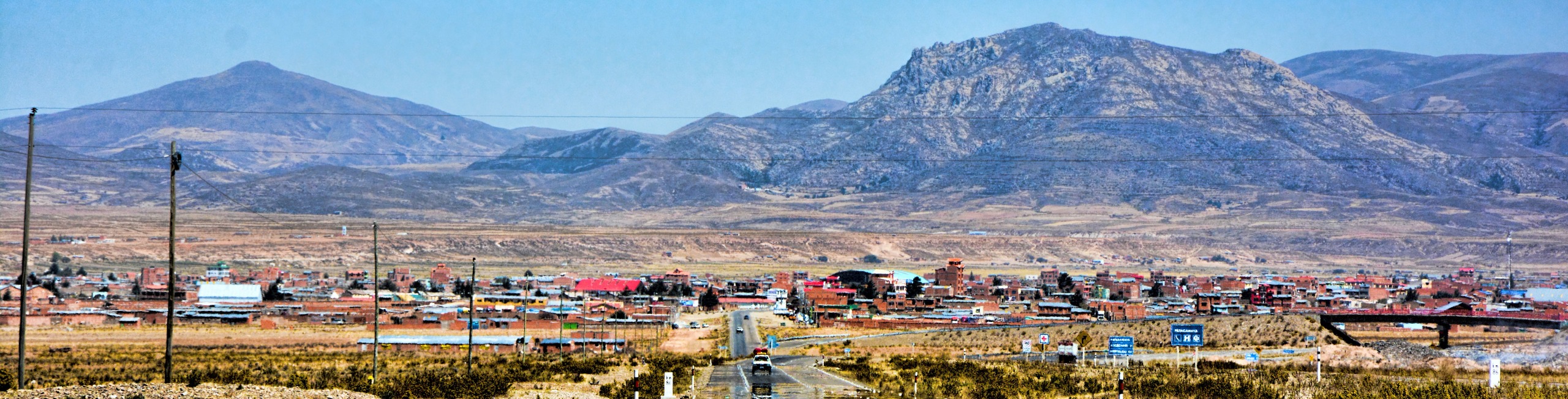
Chachacomani Upper Camp
High-altitude bivouac on the flanks of Chachacomani (6,074 m), in Bolivia's Royal Cordillera. Advanced base for mountaineers before the summit attempt, accessible from Sorata with a certified guide.
Chachacomani High Camp is a high-altitude bivouac established on the flanks of Nevado Chachacomani, a peak in Bolivia's Royal Cordillera rising to approximately 6,074 m. Located above the Sorata valley, this camp serves as the advanced base for mountaineers attempting the summit. The environment is that of high Andean mountain terrain: glaciers, moraines, thin air and absolute silence. It is a technical waypoint, not a developed tourist site.
Quick facts
- Access: usual departure from Sorata, then 4×4 vehicle approach to base camp, followed by high-altitude trekking to high camp.
- High camp altitude: approximately 5,300–5,500 m (variable by season and glacier conditions).
- Required gear: full mountaineering equipment (crampons, ice axe, harness, extreme cold clothing).
- Recommended duration: one night on-site before the summit attempt, typically departing around midnight to 1 a.m.
- Accessibility for people with disabilities: none — glacial terrain and high altitude.
- Guide mandatory: strongly recommended; most mountaineering agencies in La Paz or Sorata require one.
What you'll see
High camp offers a direct view of Chachacomani's summit glacier and the ridges of the Royal Cordillera. On clear days, Lake Titicaca is visible in the distance to the west. At night, at this altitude and far from any light pollution, the southern sky has a rare brilliance. The immediate terrain is a rocky and glacial moraine with no vegetation.
History and context
Chachacomani is one of the Andean peaks frequented by mountaineers since the early 20th century. It ranks among Bolivia's "six-thousanders" accessible to experienced mountaineers without extreme technical skill, making it a regular destination for European and local expeditions. High camp gradually became an established waypoint on the ascent route, positioned between base camp and the summit.
Highlights of the experience
The night before the ascent
The central experience of high camp is this short, cold night before roping up for the summit push. Gear preparation, the mountain's silence and anticipation of departure create a moment apart within any Andean mountaineering itinerary.
Sunrise over the Royal Cordillera
From high camp, the first light illuminates neighboring peaks—Illampu, Ancohuma—before reaching the valley. This panorama ranks among the region's most stunning views, accessible only to those who have made the approach.
The glacial approach
The passage from high camp across the glacier is itself an introduction to high Andean mountaineering: compact snow, crevasses to navigate, altitude that slows every step.
Photography tips
Light is optimal at dawn, when surrounding peaks glow before the sun reaches camp. Bring extra batteries: cold drains them quickly. Moonless nights offer exceptional conditions for astrophotography. Avoid using flash on snow—it systematically overexposes.
Location and access
Chachacomani lies in the Royal Cordillera, northeast of La Paz. The usual starting town is Sorata, reachable from La Paz after several hours' drive. From Sorata, a 4×4 track leads to base camp. The trek to high camp takes several additional hours depending on fitness and acclimatization. No public transport serves the area beyond Sorata.
Nearby
- Sorata — expedition departure town, an agreeable Andean village with lodging and local agencies.
- Nevado Illampu — neighboring Royal Cordillera peak, visible from high camp.
- Lake Titicaca — visible in clear weather from the heights, accessible from La Paz or Copacabana.
- La Paz — Bolivia's capital, logistical hub for all Royal Cordillera mountaineering.
Frequently asked questions
Bolivia's dry season, May through September, offers the best conditions: fewer storms, more stable snow. June and July are the most popular months for mountaineers.
A certified Andean mountaineering guide is strongly recommended. Glacial terrain and altitude make the ascent dangerous without technical experience. Agencies in La Paz and Sorata offer qualified local guides.
Chachacomani is rated PD to AD depending on conditions. Prior glacier experience, proficiency with crampons and ice axe, and good altitude acclimatization are essential.
Several days in La Paz (3,600 m) then Sorata (2,700 m) are recommended. Some mountaineers do a preliminary ascent on a lower peak to test their altitude response.
No. High camp is a tent bivouac on moraine. All supplies—tents, food, water, gear—must be carried from base camp. No refuge or services on-site.
Yes. Mountaineers often chain Chachacomani with Illampu or Ancohuma on two-week expeditions from Sorata. Good logistics and an experienced guide are then essential.
Want to discover this destination?
Our local advisors design your tailor-made trip.