The Apolobamba Cordillera
The Apolobamba Cordillera
On the Peruvian border, the Apolobamba Cordillera blends glaciated peaks, Quechua villages and the ancestral wisdom of the Kallawayas, the wandering physicians of the Andes.
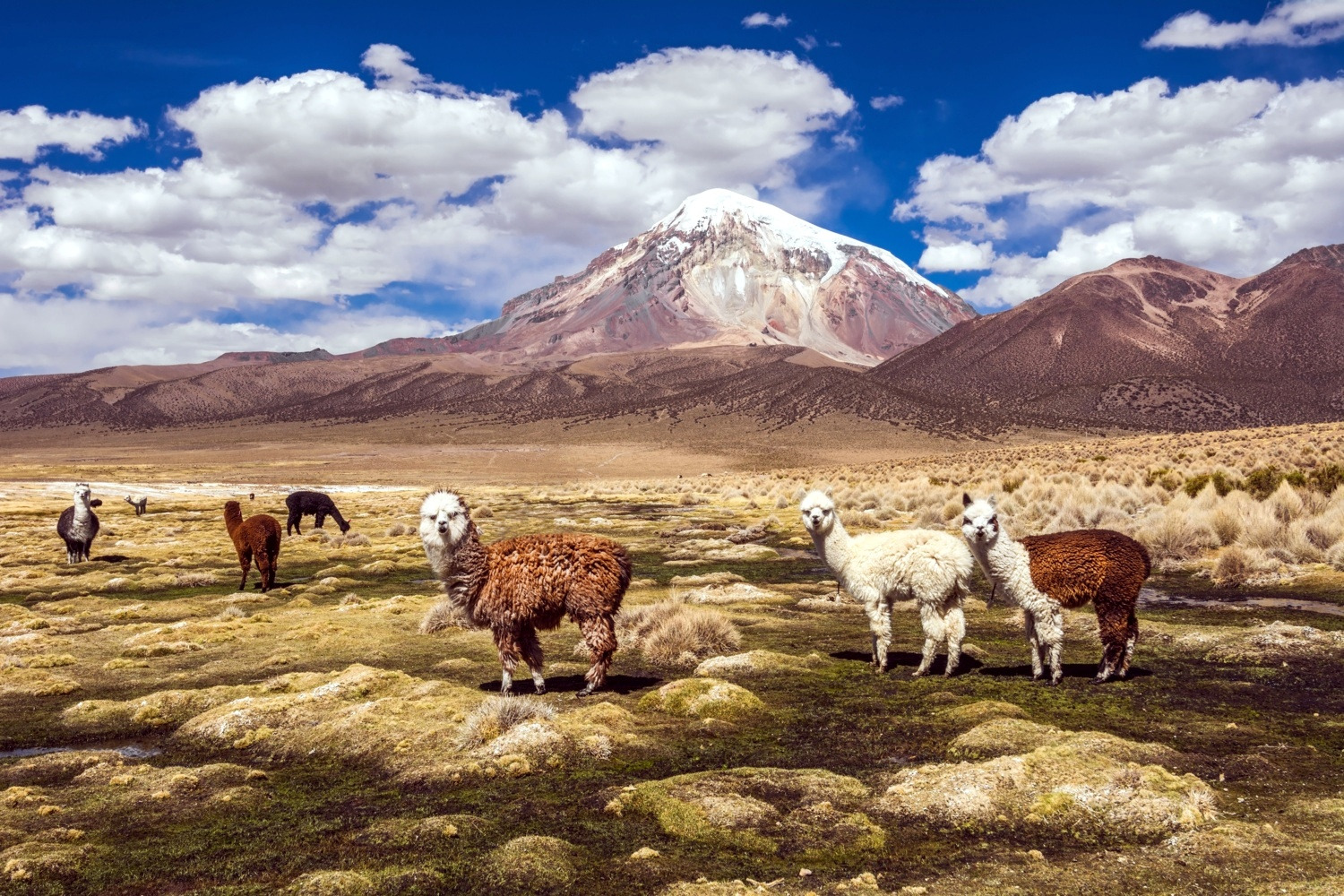
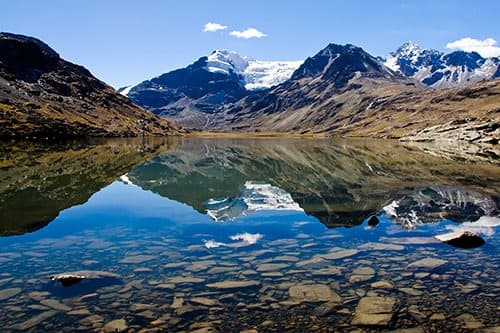
Among all Bolivian cordilleras, the Apolobamba remains the most authentic. Stretching from Bolivia into Peru, this remote region sees fewer visitors due to its limited access routes—mountain passes that demand respect. Chaupi Orco, an enormous glaciated massif, marks the only summit to breach the 6,000-meter threshold. Other peaks such as Palomani, Cololo, and Huanacuni will equally captivate climbing enthusiasts. An exceptional landscape unfolds across these heights, dotted with scattered hamlets and countless herds of llamas. Nestled in the heart of a paradisiacal valley, the area has been designated a natural reserve (Area Natural de Manejo Integrado Apolobamba).
Characteristics of the Apolobamba Cordillera
Exploring the Apolobamba Cordillera offers the perfect opportunity for adventure beyond the beaten path. Venturing into these Andean spaces grants encounters with indigenous communities, miners, and above all, the healers who have earned this region its legendary reputation. Geographically, the chain forms a frontier between the high Andean plateau and the Amazon rainforest. To the west, eternal glaciers border the trail; to the east, deep valleys plunge toward the Amazonian expanse that stretches far below. As you descend these eastern slopes, you'll find yourself at the gateway to Madidi Park. Continuing downward for kilometers more will eventually lead you to the town of Rurrenabaque.
The Apolobamba Cordillera is visible from the northwest of Illampu. Numerous small trails, well-trodden by peasants and merchants for commerce, create a practical network ideal for organizing treks.
Unforgettable trekking within the Apolobamba Cordillera
This rarely visited corner of Bolivia reveals an atmosphere nothing short of extraordinary. The adventure begins with encounters among a rich fauna dominated by vicuñas, llamas, and alpacas. Among the animal species inhabiting the cordillera are viscachas, foxes, tarukas, pumas, Andean bears, and countless others. The mountains are home to one of Bolivia's largest populations of raptors—the condor. The landscape unveils the splendor of snow-capped summits, though they appear less towering than those of the Cordillera Real. Among these majestic peaks are Akamani (5,665 m), Ullakaya (5,810 m), and Antakaiwa (5,925 m).
The journey leads toward a small minority of indigenous people from the Quechua ethnic group. These inhabitants maintain a purely traditional way of life, living from agriculture and gold panning. Meeting them offers insight into their rich culture. Continuing deeper reveals rare villages such as Charazani, Lagunillas, and the hamlet of Kanisaya, each distinguished by singular landscapes and colonial architectural charm.
Journey into Kallawaya territory
Amidst wild, untamed nature lies a treasure inseparable from the Apolobamba Cordillera: Kallawaya lands. The term literally means "the one who carries plants on his back." A mystical atmosphere pervades as you discover winding trails that seem to emerge from nowhere. Here, across generations, flowed the knowledge and ancestral wisdom of the Kallawayas, also known as the wandering physicians of the Andes. These indigenous Bolivian healers, typically itinerant, hold the distinction of being recognized by UNESCO as intangible cultural and oral heritage of humanity. A few can still be encountered, immersed in their daily practice. Historically, their lineage is said to trace back to the last dynasty of the lords of Tiwanaku, and they speak their own dialect: Pukina. This ethnic group comprises roughly 8,000 to 10,000 inhabitants. This fabulous territory harbors the sacred mountains of the Kallawayas, anchored at the foot of the Las Muñecas and Akamani ranges. Today, only a small community of people survives here.
Practical Information
You'll need determination and resolve to complete a trek or summit attempt. Trekking demands strong hiking capacity that can stretch several hours daily. Similarly, reaching high peaks requires substantial altitude tolerance. The best approach is to spend a few days acclimatizing and training beforehand. Add to this an excellent level of fitness to maintain steady progress through each stage of your climb.
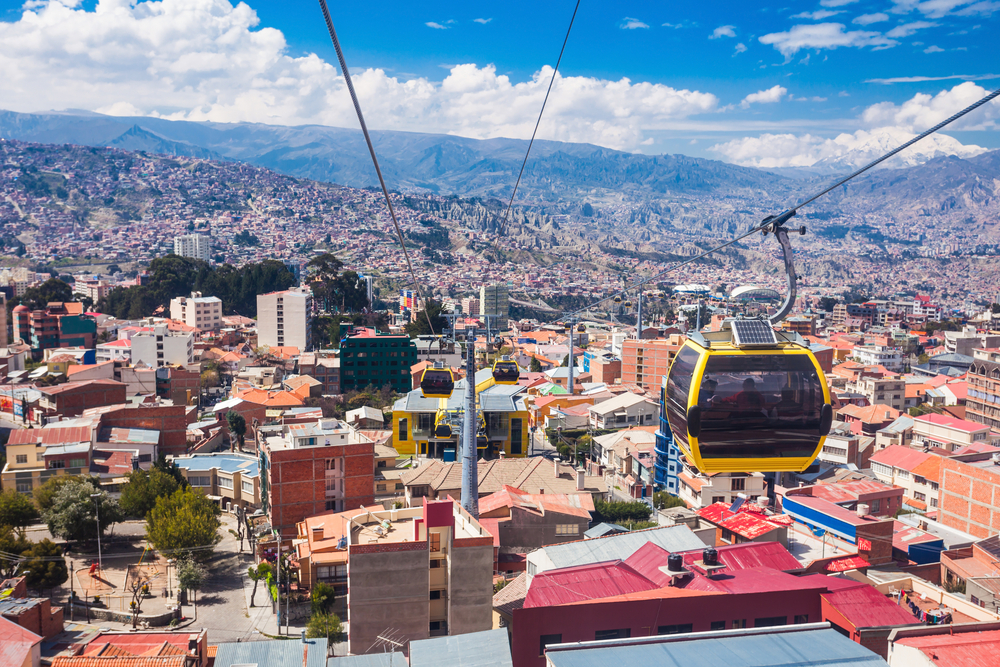
The best way to reach the region is via a dirt track from La Paz. Plan for approximately 10 hours of driving time.
Want to discover this destination?
Our local advisors design your tailor-made trip.