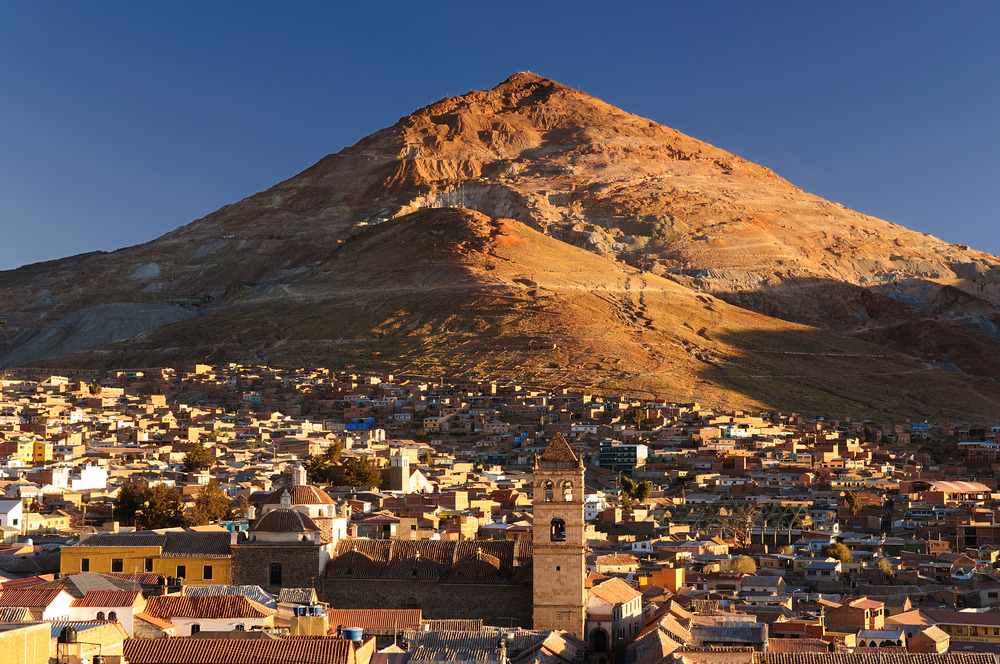
Coroico (1525m)
Coroico overlooks the verdant valleys of the Bolivian Yungas at 1,525 m. Gateway to the legendary Death Road, the town offers hiking, local coffee, and immersion in Afro-Bolivian culture.
Coroico is a small mountain town in the Bolivian Yungas perched at 1,525 m elevation, nestled on the eastern foothills of the Andes. The town overlooks valleys carpeted with coca plants, citrus groves, and coffee plantations, with the snow-capped Huayna Potosí framing the horizon on clear days. Accessible from La Paz via the legendary Death Road, it draws both hikers and travelers seeking a slower pace, natural pools, and lush vegetation suspended between the highlands and the Amazon.
Quick Practical Guide
- Elevation: 1,525 m — acclimatization from La Paz (3,600 m) is pleasant, with no altitude sickness concerns.
- Access: Minibuses and buses from Minasa terminal in La Paz (Villa Fátima neighborhood); journey of approximately 3 hours via paved road or the Death Road trail.
- Recommended duration: 2 to 3 days to enjoy the hiking and atmosphere.
- Clothing: Light during the day, bring an extra layer for evenings; sturdy hiking boots recommended.
- Currency: Boliviano; reliable ATMs are scarce, so withdraw cash before leaving La Paz.
What to See
Coroico's main plaza is the heart of local life: a weekly market, white colonial church, and terraces with commanding views over the valleys. Around town, trails weave through coca plantations and cloud forests. Several hotels and hostels feature pools with panoramic vistas of the Yungas — a striking contrast to the altitude of La Paz.
History and Context
Founded during the Spanish colonial era, Coroico served as a commercial hub linking the high Andean plateaus with the lowland Amazon. The Yungas region long supplied coca leaf to Andean populations. The Afro-Bolivian community, descendants of enslaved people brought to work in mines and haciendas, remains particularly strong in nearby villages like Tocaña and Chicaloma, where the saya music and dance traditions endure.
Highlights of the Visit
The Death Road (Camino de la Muerte)
The trail connecting La Paz to Coroico via Cotapata is one of South America's most famous mountain-bike descents. Agencies in La Paz organize guided downhill rides over approximately 60 km, with spectacular elevation changes and vegetation that shifts dramatically across the altitude zones.
Hiking in the Yungas
Several trails depart from town center toward waterfalls, viewpoints, and valley villages. The path to Tocaña (an Afro-Bolivian community) is accessible on foot or by shared taxi, offering a rare cultural immersion.
Market and Plaza Life
On Sundays, Coroico's market draws local farmers and surrounding villagers. Tropical fruits, Yungas coffee, and artisanal goods mingle in a relaxed atmosphere, far from mass tourism.
Yungas Coffee and Cacao
The region produces quality arabica coffee and cacao cultivated using agroforestry methods. Some farms nearby offer informal visits; ask your accommodation for recommendations.
Photography Tips
Morning light is ideal for capturing the valleys before mist rises. From hotel terraces at higher elevations, the panorama of the Andean foothills is sharpest between June and August. Along the Death Road, hairpin turns offer vertiginous compositions — bring a wide-angle lens.
Location and Access
Coroico lies in the La Paz Department, Nor Yungas Province, roughly 90 km from Bolivia's capital by road. Minibuses depart from Villa Fátima (La Paz) throughout the day. The paved road is passable year-round; the historic trail (Death Road) can be treacherous during the rainy season (November–March). Accessibility for people with reduced mobility is limited due to steep terrain and cobbled streets.
Nearby Attractions
- La Paz — Bolivia's administrative capital and essential starting point, 3 hours' drive away.
- Death Road (Camino de la Muerte) — legendary trail linking La Paz to the Yungas, prized by cyclists.
- Tocaña — Afro-Bolivian village a few kilometers away, keeper of saya music traditions.
- Cotapata National Park — protected area traversed by the Death Road, rich in cloud-forest biodiversity.
Frequently asked questions
The dry season (May–October) offers the best conditions: passable roads, clear skies, and views of snow-capped peaks. The rainy season (November–March) makes certain trails slippery and the Death Road more challenging.
No, it's the opposite: Coroico (1,525 m) sits considerably lower than La Paz (3,600 m). The descent is usually felt as a physical relief. No specific acclimatization is required for Coroico.
Most La Paz agencies offer a mountain-bike descent to Yolosa (the trail's end), where a taxi or minibus will take you up to Coroico in minutes. You can then spend one or two nights there before returning via the paved road.
ATMs are scarce and sometimes out of service. It is strongly recommended to withdraw bolivianos in La Paz before departure.
Yes. The village of Tocaña, a few kilometers away, is accessible by shared taxi or on foot. The community maintains saya dance and music traditions; some stays include organized cultural encounters.
Two to three days allow time for hiking, exploring the surroundings, and enjoying the relaxed atmosphere. A single night is possible but leaves little time for valley exploration.
Want to discover this destination?
Our local advisors design your tailor-made trip.