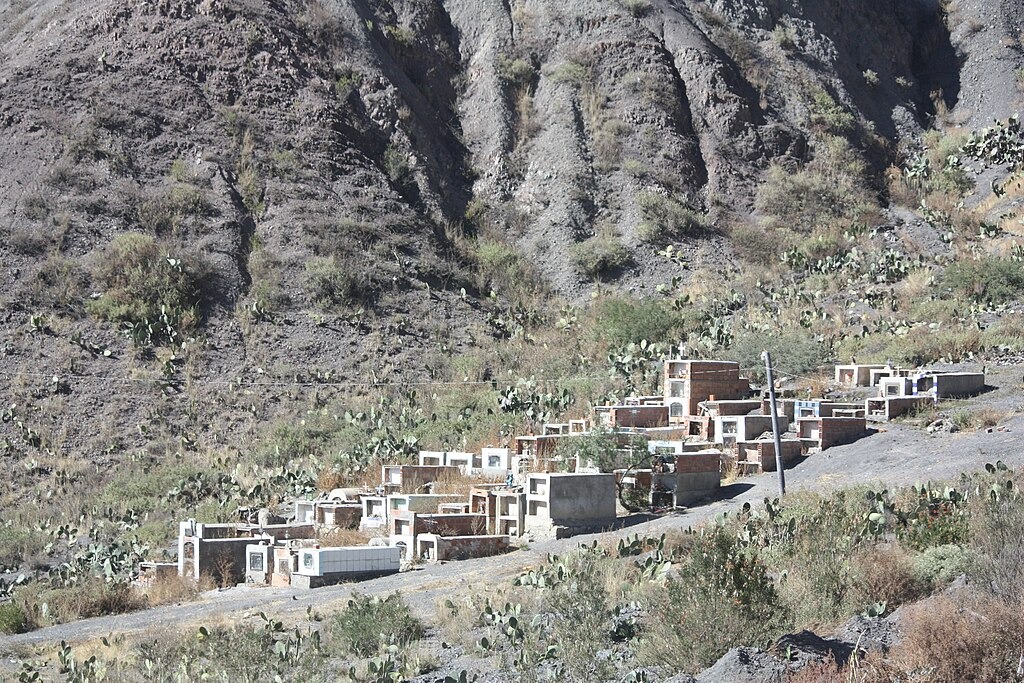
Putre
Perched at 3,500 m in the Chilean altiplano, Putre is a colonial Aymara village surrounded by snow-capped volcanoes and bofedales. The essential starting point for Lauca National Park and Lake Chungará.
Putre is an Andean village perched at approximately 3,500 meters above sea level in the Parinacota region, in northern Chile — not Bolivia. Surrounded by snow-capped volcanoes, bofedales (high-altitude wetlands), and pre-Hispanic terraced agriculture, it serves as a base for exploring Lauca National Park and Lake Chungará. Its modest colonial center, cobbled streets, and 17th-century white church make it an authentic stepping stone before venturing into the vast altiplanic landscapes.
Practical information at a glance
- Altitude: approximately 3,500 m — acclimatization recommended before ascending higher.
- Access: paved road from Arica (approximately 150 km); buses and shared minibuses available from Arica.
- Recommended duration: 1 to 2 nights to acclimatize and venture toward Lauca and Chungará.
- Clothing: warm layers essential, even in summer; nights are cold year-round.
- Altitude sickness: drink plenty of water, avoid alcohol the first few days, rest upon arrival.
What to see
The village preserves a white colonial church dedicated to San Marcos, surrounded by a small flowering cemetery. Earthen streets line low-walled houses with thick walls, designed for the cold climate. Around the village, stone agricultural terraces testify to continuous occupation since pre-Hispanic times. Nearby bofedales shelter pink flamingos, vicuñas, and endemic altiplano birds.
History and context
Putre is one of the oldest villages in northern Chile, founded during the Spanish colonial period on a pre-existing Aymara settlement. The region long belonged to Peru before passing to Chile following the War of the Pacific (1879-1884). Aymara culture remains vibrant: language, textiles, syncretic religious festivals, and terraced agriculture continue to structure daily life for residents.
Highlights of the visit
San Marcos Church
Built in the 17th century, this white church with its simple bell tower is one of the finest preserved colonial structures on the Chilean altiplano. Its austere façade contrasts strikingly with the intensity of the Andean sky. The modest interior houses colonial religious artworks.
Pre-Hispanic terraces
On the outskirts of the village, andenes (dry stone agricultural terraces) sculpt the hillsides. Some are still cultivated with quinoa, Andean corn, and local potatoes. A walk on foot allows you to observe them up close.
Wildlife of the bofedales
The high-altitude wetlands around Putre host vicuñas, Andean pink flamingos, and a wide variety of birds. Early morning, before the wind picks up, offers optimal viewing conditions.
Etiquette and visit guidelines
- Ask permission before photographing residents, particularly women in traditional dress.
- The church may be closed outside service times; respect worship hours if you wish to enter.
- Proper attire required inside the church (shoulders and knees covered).
Photography tips
Late afternoon light gilds the white façades and ochre terraces. For the snow-capped volcanoes in the background (Taapaca, Parinacota), morning offers clearer conditions before clouds gather. The bofedales are photogenic at dawn, when wildlife is active and light grazes the landscape.
Location and access
Putre is located in the Arica y Parinacota region of northern Chile, approximately 150 km from Arica via the international highway. Shared minibuses connect Arica to Putre several times per week. The road is paved but winding; altitude gain is rapid. From Putre, the road continues to Lauca National Park and Lake Chungará, approximately 50 km further east.
Nearby attractions
- Lauca National Park — vast altiplano reserve with volcanoes, lakes, and exceptional Andean wildlife.
- Lake Chungará — one of the world's highest lakes, at the foot of Parinacota volcano.
- Salar de Surire — remote salt flat home to three flamingo species, accessible from Putre.
- Arica — coastal departure city, featuring the San Miguel de Azapa museum and Chinchorro mummies.
Frequently asked questions
The dry season (April to November) offers the clearest skies and most accessible roads. The austral summer (January-March) corresponds to the rainy season, known as the "Bolivian winter," with frequent afternoon showers but greener vegetation.
Yes. Spending at least one night in Putre (3,500 m) before ascending to Chungará (4,500 m) significantly reduces the risk of altitude sickness. Hydrate well, rest, and avoid alcohol upon arrival.
Shared minibuses depart Arica for Putre several times per week. Travel agencies in Arica also offer private vehicle excursions combining Putre, Lauca, and Chungará over one or two days.
Landscapes and architecture are freely photographable. For portraits of residents, always ask permission first — it is a fundamental rule of respect within Aymara communities.
Putre is in Chile, within the Arica y Parinacota region. It is often associated with Bolivia due to its Aymara culture and proximity to the border, but it is administratively part of Chile.
Rest, drink plenty of water, and avoid strenuous physical activity during the first few hours. If symptoms worsen (severe headaches, confusion, breathing difficulties), descend to Arica and consult a doctor.
Want to discover this destination?
Our local advisors design your tailor-made trip.