Quehuaya
Quehuaya is a small Aymara village on the shores of Lake Titicaca, perched above 3,800 meters. Community-based tourism, traditional textiles, and authentic Andean landscapes await—far from the beaten path.
Quehuaya is a small Aymara village situated on the southeastern shore of Lake Titicaca, in the La Paz Department. Perched at more than 3,800 meters above sea level, it is known for its vibrant textile traditions and the community-based tourism welcomed by its inhabitants. The lake, the floating totora reed islands, and surrounding hills compose a typical Andean landscape, far removed from mass tourism circuits.
Quick facts at a glance
- Altitude: approximately 3,800 m — plan for acclimatization time.
- Access: from Huarina or Achacachi (Omasuyos Province), by minibus or collective transport from La Paz.
- Recommended duration: at least one night to fully experience community-based tourism.
- Clothing: warm garments essential; nights are cold year-round.
What you'll see
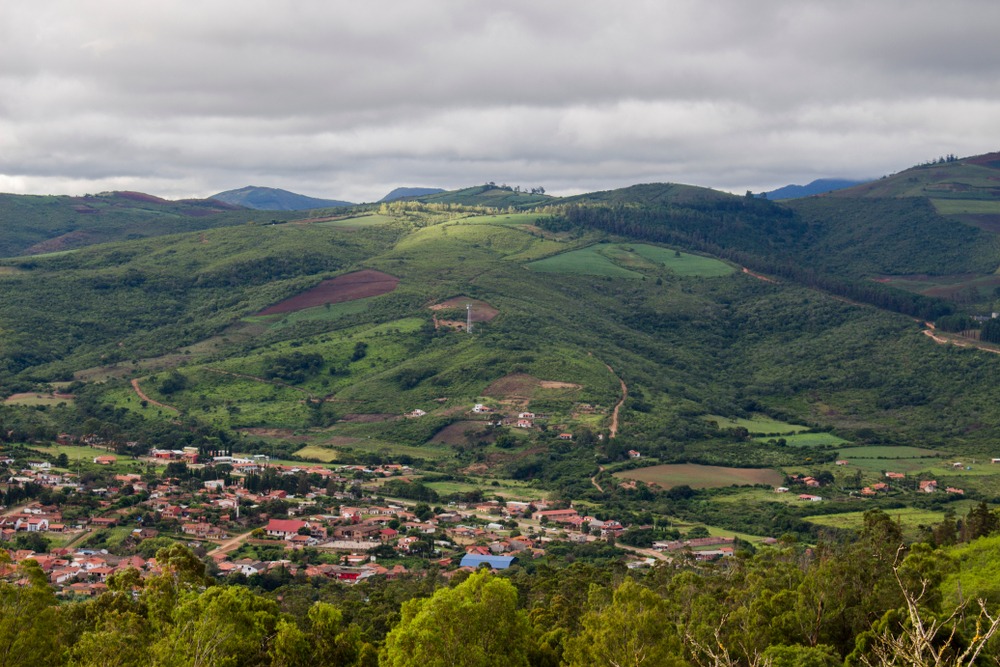
The village revolves around terraced agriculture and herding. Women wear traditional Aymara dress — pollera, manta, and bowler hat. The shores of Titicaca offer unobstructed views across the lake and, on clear days, toward the snow-capped peaks of the Royal Cordillera. Quinoa and potato fields occupy the surrounding slopes.
History and context
Quehuaya belongs to Omasuyos Province, an Aymara settlement area predating the Inca expansion. The region long sustained itself through agricultural and pastoral self-sufficiency. Community-based tourism developed gradually as an economic alternative, allowing families to share their way of life while maintaining their traditional activities.
Highlights of a visit
Textile craftsmanship
Village women hand-weave pieces in alpaca and sheep's wool — aguayos, belts, hats. Some families welcome visitors to demonstrate spinning and natural dyeing techniques. This is one of Quehuaya's most documented aspects.
Life on Lake Titicaca's shore
Proximity to the lake offers glimpses of traditional totora reed boat fishing and the harvesting of this aquatic plant. The sunrise over Titicaca, viewed from the village's shores, is particularly striking.
Community-based tourism
Families offer homestays, local meals (trout, chuño, quinoa), and agricultural activities. It's a direct immersion into Aymara daily life, without intermediaries.
Photography tips
Morning light is ideal for photographing the lake and hills. Always ask permission before photographing residents, especially women in traditional dress. Textile colors stand out best in full daylight, in direct shade.
Location and access
Quehuaya lies in Omasuyos Province, east of Lake Titicaca. From La Paz, reach the area via the road running along the lakeshore toward Achacachi or Huarina. Collective transport (minibuses) depart from La Paz's main terminal. The road is paved to major towns, then becomes a dirt track. Accessibility for people with reduced mobility is limited due to uneven terrain.
Nearby attractions
- Copacabana — Bolivia's main port on Titicaca, departure point for the Island of the Sun.
- Island of the Sun — major Inca site in the middle of the lake, accessible by boat from Copacabana.
- Achacachi — capital of Omasuyos Province, vibrant weekly market.
- La Paz — Bolivia's administrative capital, a few hours' drive away.
Frequently asked questions
The dry season (May to October) offers the best conditions: clear skies, passable roads. The rainy season (November to April) can make tracks difficult to access.
It is best to book through a local agency based in La Paz or contact community associations in Omasuyos Province directly. Advance reservation is recommended.
Yes. Quehuaya is above 3,800 m altitude. Spend at least two days in La Paz (3,600 m) before heading to the region to minimize the risk of altitude sickness.
Yes, by organizing a circuit around Lake Titicaca. Quehuaya is visited on Bolivia's eastern shore, while the Island of the Sun is accessible from Copacabana on the western side.
Warm clothing (nights drop near freezing even in the dry season), high-SPF sunscreen (UV intensity is strong at altitude), altitude sickness medication if prescribed, and cash in bolivianos (no ATM on-site).
Want to discover this destination?
Our local advisors design your tailor-made trip.