Eduardo Avaroa Andean Fauna National Reserve
Eduardo Avaroa Andean Fauna National Reserve
Crimson lagoons, steaming geysers, volcanoes soaring to 6,000 m: Eduardo Avaroa Reserve concentrates the most spectacular landscapes of Bolivia's South Lipez region.
Eduardo Avaroa Andean Fauna National Reserve stands as one of the most precious natural jewels in Bolivie. Located in the southwest of the country, in Potosi Department, within the San Pablo de Lipez community and straddling the border between Chile and Argentina, this reserve is a sanctuary of unparalleled biodiversity and an emblematic destination for nature lovers and adventure seekers alike. Whether admiring wildlife against a backdrop of majestic mountains or exploring landscapes beyond the ordinary, Eduardo Avaroa Andean Fauna National Reserve delivers an unforgettable experience.
History
Established on December 13, 1973, the reserve bears the name of Colonel Eduardo Avaroa, a Bolivian war hero who distinguished himself during the War of the Pacific in the late 19th century. Its creation answered an urgent need to protect the region's fragile ecosystems, particularly the natural habitats of endangered species such as the Andean flamingo.
Since its inception, the reserve has become a model for biodiversity preservation throughout Bolivie and South America. It forms an integral part of the country's national protected area system and participates in international initiatives for the protection of wetlands and migratory species.
Climate
The climate in Eduardo Avaroa Andean Fauna National Reserve is defined by extreme conditions. At considerable elevation, average temperatures remain below 4°C year-round. Nights and mornings are particularly cold, often accompanied by severe frost.
Annual precipitation is limited, creating an arid environment. Winter (May to August) is very dry, while summer (December to April) experiences irregular rainfall.
The optimal time to visit the reserve spans June through August, when roads are more passable and temperatures stable, though cold, especially at night. During the rainy season, the lagoons fill with water and present magnificent landscapes. However, roads can become challenging, and certain reserve areas may experience flooding.
A High-Altitude Desert
Eduardo Avaroa Andean Fauna National Reserve covers approximately 7,147 km². It rises between 4,000 and 6,000 meters in elevation, making it one of the world's highest protected areas.
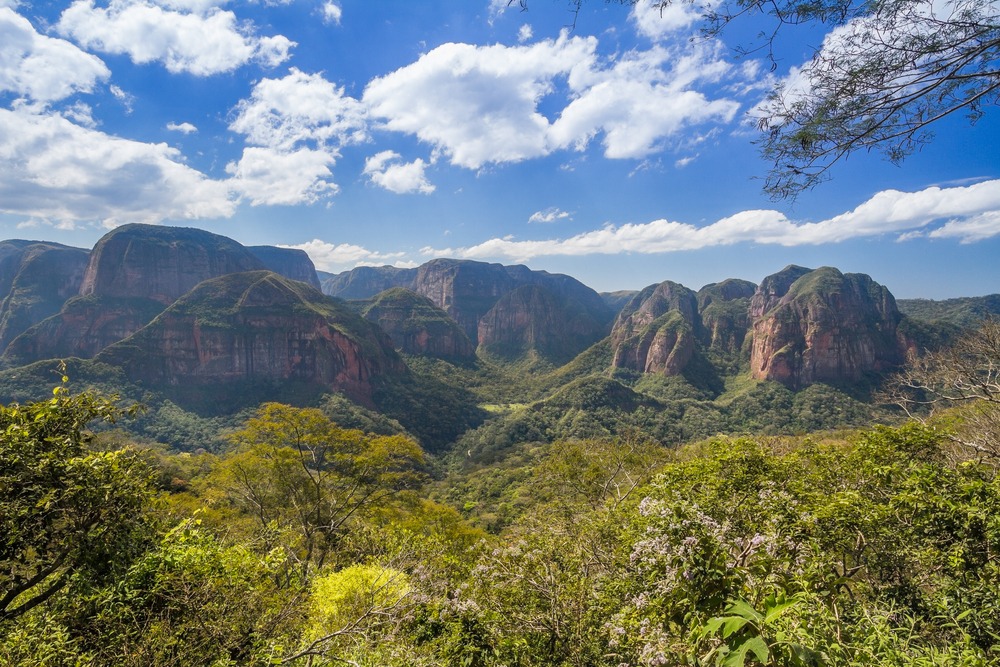
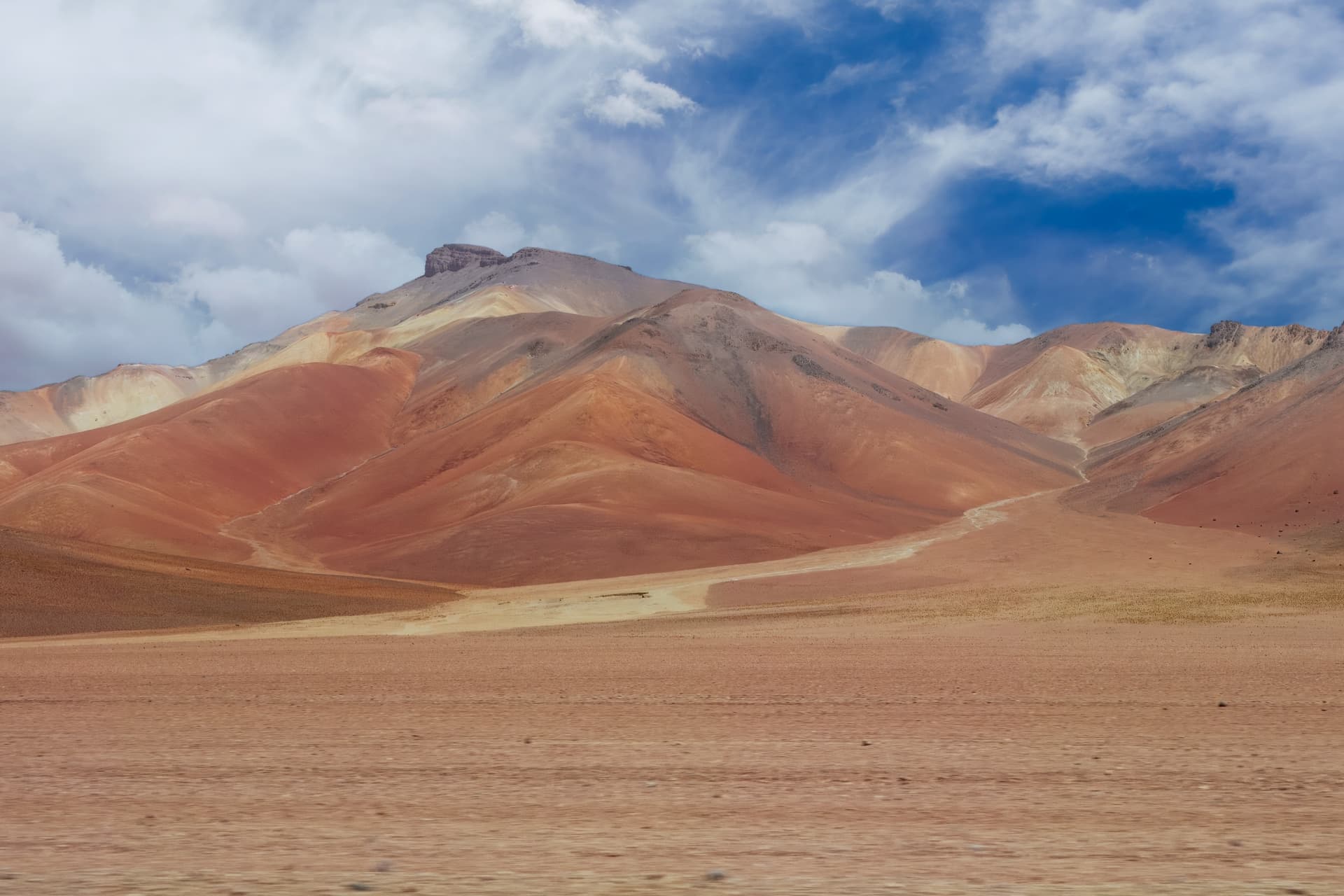
Winding through the reserve's numerous valleys, visitors encounter strange rock formations born from petrified lava—silent vestiges of ancient geological activity. These time-sculpted boulders stand alongside multicolored mountains whose red, ochre, and golden hues sometimes blend into undulating dunes of brilliant orange.
The reserve is renowned for its geothermal wealth. Steaming geysers, fumaroles rising into glacial morning air, and therapeutic hot springs abound. Semi-active volcanoes—imposing sentinels of the region—bear witness to the intense telluric activity that has shaped this landscape over millions of years.
Unique High-Altitude Biodiversity
Despite extreme conditions—glacial temperatures, violent winds, and low oxygen levels—Eduardo Avaroa Reserve shelters remarkable fauna and flora. These species have adapted to a hostile environment, making the reserve a natural laboratory for studying life at altitude.
Avifauna
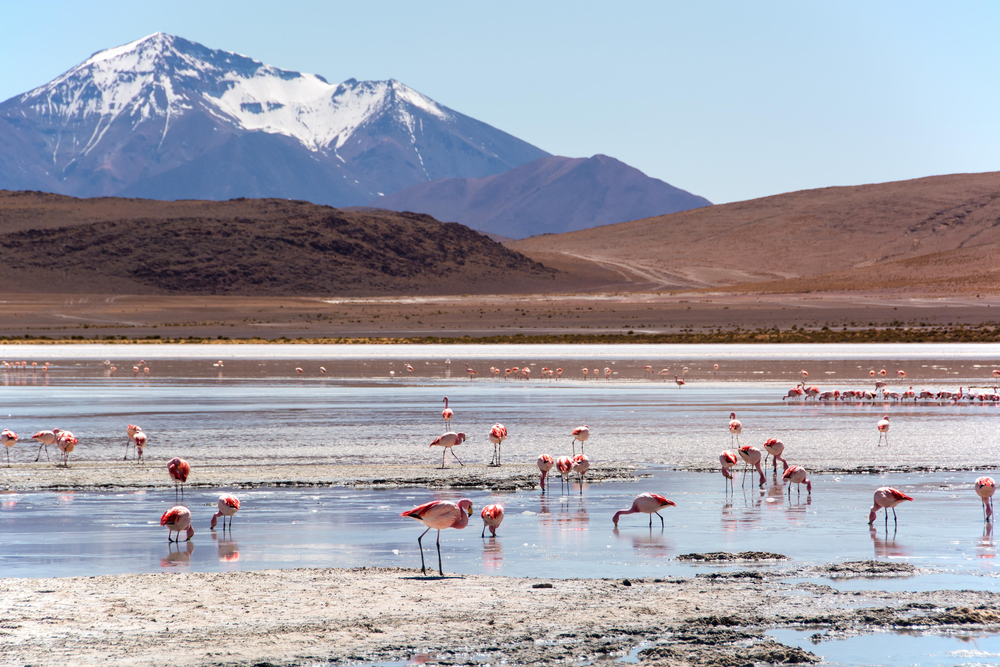
Eduardo Avaroa Andean Fauna National Reserve records more than 80 bird species. Above all, this protected area is a sanctuary for three flamingo species:
- The Andean flamingo: The largest of the three, considered vulnerable.
- James's flamingo: This rare species distinguishes itself through smaller size and vivid pink plumage.
- The Chilean flamingo: More common, recognized by its grey legs and softer coloration.
These birds feed on micro-organisms present in alkaline lagoons, playing an essential role in local ecosystems.
Additionally, numerous other bird species thrive here, including:
- Rheas (a variety of ostrich)
- Ducks
- Andean geese
- Condors
- Avocets
- Suri
Other Emblematic Species
Beyond flamingos, the reserve harbors several endemic or threatened mammals, such as:
- The vicuña
- The guanaco
- The Andean fox
- The Andean cat
- The viscacha
- The llama
- The puma
- The taruca
Flora
Despite its arid, desert-like appearance, Eduardo Avaroa Reserve harbors remarkable plant wealth, with flora adapted to the environment's extreme conditions. Between 190 and 300 plant species are recorded, some threatened.
Vegetation comprises semi-desert grasslands and wetlands, surrounded by salt lakes of glacial origin. Grass pastures, such as Jarava ichu (ichu or paja brava), dominate the plains. Wetlands shelter thola, a propolis producer thanks to bees.
On hillsides and rocky outcrops grow queñoa groves—trees with distinctive flaking bark that thrive at extreme altitudes, reaching 4,800 meters. This species associates with great yareta cushions, a remarkable plant capable of living 3,000 years, though its annual growth remains minimal.
Most visitors access Eduardo Avaroa Reserve from one of two principal cities:
- Uyuni (in Bolivie): Situated approximately 300 km to the north, Uyuni is the most common departure point, especially for travelers combining a visit to the Salar de Uyuni with the reserve.
- San Pedro de Atacama (Chile): This Chilean town serves as an entry point to the reserve, located roughly 200 km away.
Organized Tours
Visitors typically opt for organized tours to explore Eduardo Avaroa Reserve. These excursions include transportation, guides, often meals, and sometimes lodging. Numerous local agencies offer 3 to 4-day circuits covering various regional attractions.
Private Transportation
Reaching Eduardo Avaroa Andean Fauna National Reserve by private vehicle is possible but demands careful preparation. A 4x4 vehicle is essential, as roads are unpaved—often sandy and rocky. Signage is scarce, and cellular coverage nonexistent. Using an offline GPS application is strongly advised.
Eduardo Avaroa Andean Fauna National Reserve Today
The reserve attracts thousands of visitors annually, particularly hikers and photography enthusiasts. However, this tourism influx presents sustainability challenges. While tourism provides precious income for local communities, it can generate drawbacks such as:
- Lagoon pollution from waste
- Disturbance of sensitive habitats
- Soil erosion from frequent vehicle movement
To minimize these impacts, Bolivian authorities have established strict policies, including visitor entrance fees and restricted access zones.
Attractions to Discover
The Colored Lagoons
Among the reserve's highlights stand its famous lagoons. These water bodies, fed by underground springs and surrounded by volcanic minerals, display spectacular hues—white, red, emerald green:
- Laguna Colorada: With its red waters rich in algae and pink flamingos, this lagoon symbolizes the reserve. Spanning approximately 60 km², it constitutes a key zone for Andean flamingo reproduction.
- Laguna Verde: Positioned at the foot of Licancabur volcano, this lagoon owes its greenish tint to copper and arsenic deposits in its bed.
- Laguna Hedionda: Renowned for its sulfurous waters, it attracts great varieties of migratory birds.
Volcanoes and Geysers
The area hosts several imposing volcanoes, including Licancabur (approximately 5,868 m) and Uturuncu (approximately 6,008 m). These summits provide majestic backdrops and testify to the volcanic activity that has shaped the region's geography. Nearby, Sol de Mañana, a geothermal zone, reveals steaming geysers and bubbling mud pools, recalling the power of terrestrial forces.
Additional Attractions
Eduardo Avaroa Andean Fauna National Reserve offers additional must-see attractions, including:
- Polques hot springs: Ideal for visitors seeking relaxation and wellness, these mineral-rich waters offer rejuvenating experiences.
Ch'aka Interpretation Centre: Located in Quetena Chico community at the reserve's heart, this venue is dedicated to discovering the region's natural and cultural wealth.
Attractions in Eduardo Avaroa Andean Fauna National Reserve
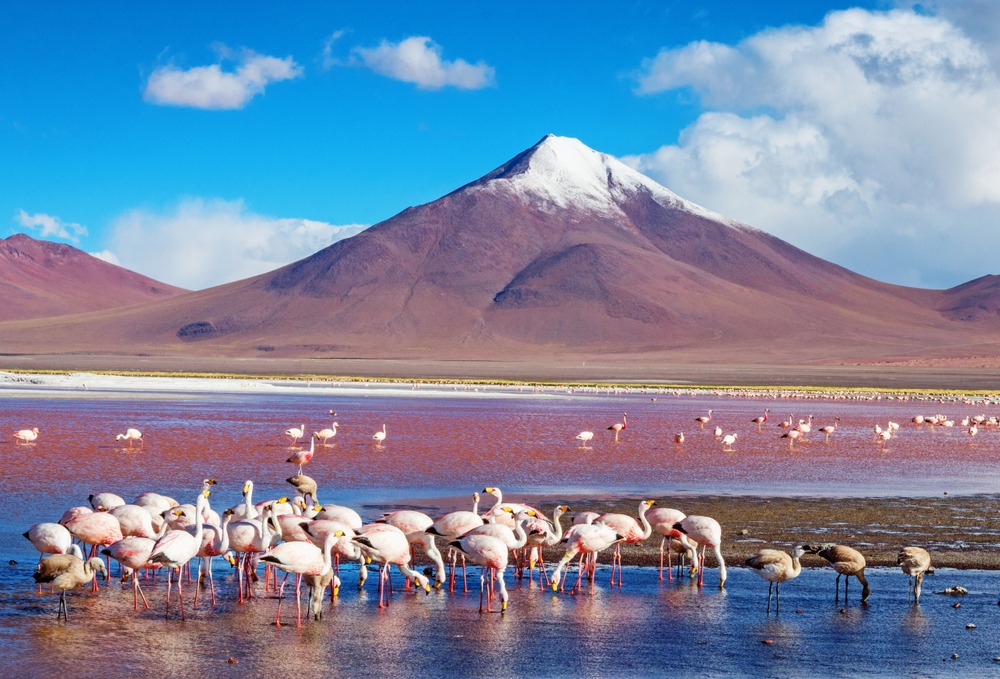
Laguna Colorada
À 4 278 m dans la réserve Eduardo Avaroa, la Laguna Colorada est un lac salé aux eaux rouges où nichent les flamants andins du Sud Lípez bolivien.
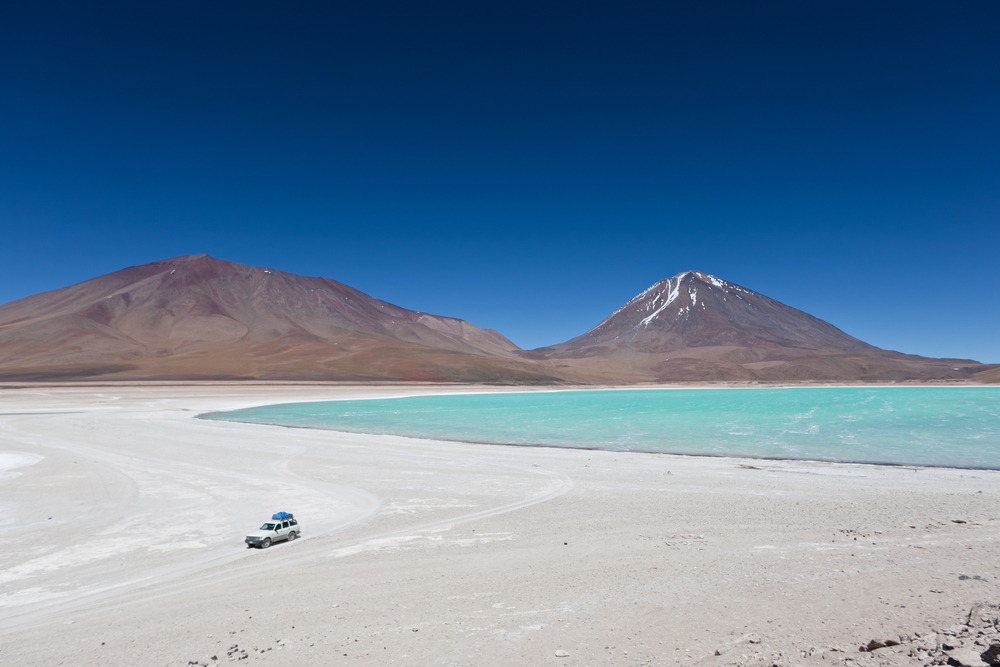
La Laguna Verde
Au pied du volcan Licancabúr, dans le Sud Lipez bolivien, la Laguna Verde doit sa teinte caractéristique à ses sédiments minéraux. Guide pratique de la visite.
Want to discover this destination?
Our local advisors design your tailor-made trip.