The City of Tarija
The City of Tarija
In southern Bolivia, Tarija blends high-altitude vineyards, colonial heritage and warm Chapaco hospitality. Our comprehensive guide to preparing your journey.
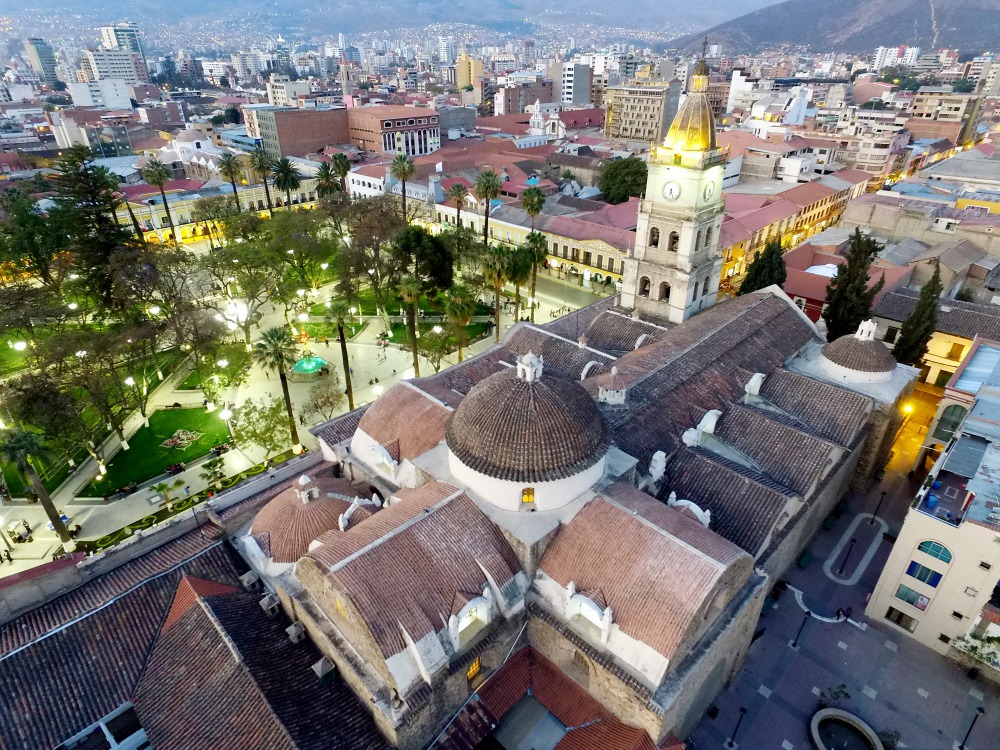
Discover the charming city of Tarija, where the landscape unfolds in striking variety—rocky, steep terrain interspersed with fertile plains covered in vineyard rows and lush forests. Nestled in a valley at 1,860 meters elevation along the Guadalquivir River, Tarija reveals an entirely different facet of Bolivia. Still known as ciudad de las flores, the "City of Flowers," the town is renowned for its wine production and the unparalleled hospitality of its inhabitants. Wine enthusiasts will find themselves thoroughly enchanted here.
History
The city of Tarija was founded by Luis de Fuentes y Vargas on July 4, 1574, acting on the orders of Lima's viceroy Francisco de Toledo. The founding was intended to counter incursions by the Chiriguano indigenous people. At that time, it was known as Villa de San Bernardo de la Frontera de Tarixa.
Thanks to a mild and temperate climate, the cultivation of grapes, wheat, oranges and olives, along with cattle ranching, flourished in the city. This prosperity encouraged the Spanish population to establish deep roots here.
The city's name derives from Francisco de Tarija, an Andalusian and the first Spaniard to visit the valley, which was still inhabited by an indigenous group called the "Tomata." He was a member of Diego de Almagro's expedition.
Why Tarija?
Whether you're a casual vacationer or a devoted travel enthusiast, Tarija will seduce you in countless ways. There is:
- Landscape bordered by vineyards and magnificent valleys;
- Compelling architectural heritage and charming colonial-style churches;
- Vibrant festivals and cultural events;
- Wine production and its signature liqueur, the famous Singani;
- Local traditions and the captivating lifestyle of the inhabitants;
- Luxurious and refined accommodations;
- The euphoric atmosphere of Bolivian nights, scattered with stars.
Tarija: What to See
The Plaza de Armas Luis de Fuentes y Vargas
Serving as the administrative and political center of Tarija, the charming atmosphere surrounding this beautiful plaza, shaded by palm trees, is entirely unique. The City Hall, the Department Government, the Municipal Council and banks are all nearby. This is where the Carnival, parades, political events and religious festivals unfold around the central fountain.
Churches and Chapels
Discover the church dedicated to San Roque, one of the most venerated saints among the inhabitants. Painted in blue and white, the balcony of this monument once served as an observation point for the city's guards, thanks to its hilltop location.
Next, visit the Chapel of Lomas de San Juan, built in 1632, and admire its striking white colonial architecture. It was within these four walls that the Spanish signed their surrender, ceding the city to independence fighters in 1817. A panoramic view of beautiful Tarija will leave you spellbound.
The Monuments
Explore another facet of Tarija through its emblematic and legendary monuments. The kitsch gold and white façades of the Casa Dorada and its lavishly decorated interior are well worth a visit. Before becoming Tarija's House of Culture, the Casa Dorada was the residence of a wealthy tarijeño, later transforming into a shopping center.
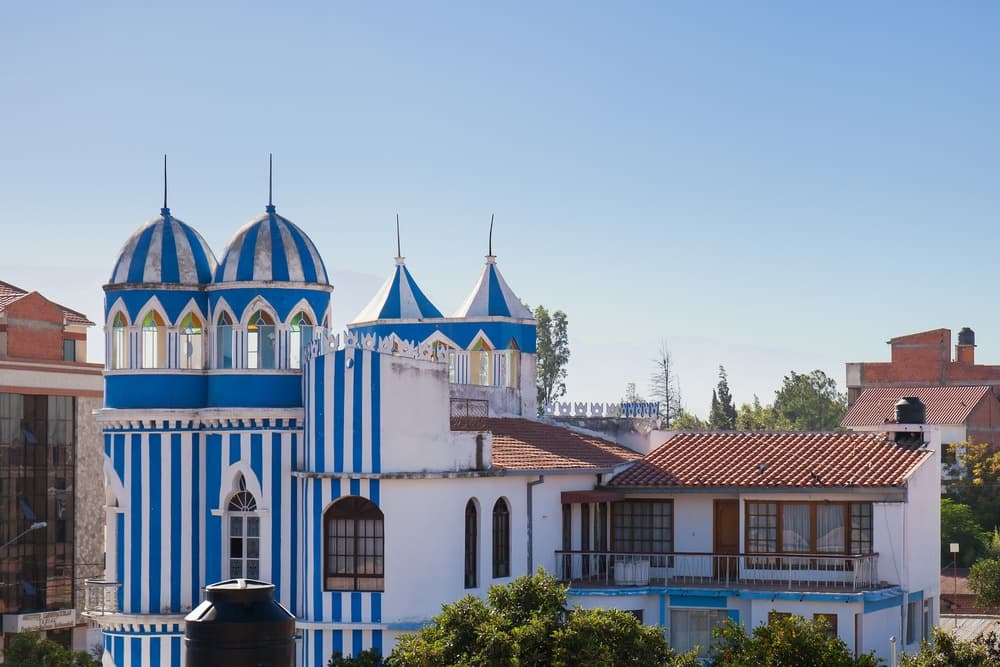
There is also the blue-façaded El Castillo Azul. Built for wealthy owner Navajas, this legendary building is now a private property that can nonetheless be visited.
What to Do in Tarija?
Relaxation and Recreation at Balneario de Tomatitas
Green spaces, pools, groves and sports fields await you at this spot where the waters of the Guadalquivir, Erquis and Victoria rivers converge. Located just 4 kilometers north of Tarija, this place is ideal for unwinding while soaking up the sun. For even more entertainment, you can also visit several other natural pools in the area, including the Coimata waterfalls and the Chorros de Jurina.
Visiting Lagune Tajzara, Cordillera de Sama
For nature lovers and wildlife enthusiasts, this place is a true sanctuary. At over 3,600 meters elevation within the Cordillera de Sama, Lagune Tajzara is located. Spanning more than 10,000 hectares, it is home to numerous species of aquatic birds, including three different species of flamingos, as well as several mammal species such as Andean deer, llama, fox and puma. If you venture a bit further, you'll have the privilege of viewing Incan and pre-Incan ruins.
Exploring the Bolivian Wine Route
Explore the significant wine production of the Santa Ana valley. Located approximately thirty kilometers southeast of Tarija, it brings together cultivation of numerous grape varieties, from which the famous Bolivian wines and singanis are produced. Notable varieties include Cabernet Sauvignon, Merlot, Barbera and Moscatel, among many others. Various vineyards and bodegas can also be visited along the wine route, giving you the opportunity to taste their offerings.
Best Times to Visit
Tarija can be visited year-round, but the best time to visit is during the grape harvest festival, which takes place between late February and early March. This is an event marking the beginning of the wine-making process. Concerts and tastings are on the agenda.
By Air
The fastest way to reach Tarija is by plane. From La Paz, the journey to Capitán Oriel Lea Plaza airport takes a maximum of 3 hours.
By Bus
Tarija is accessible by bus from any city in Bolivia. If you travel by land, you must pass through La Paz, then take a bus from Potosí or Oruro. The journey takes approximately 12 to 18 hours.
Want to discover this destination?
Our local advisors design your tailor-made trip.