Rurrenabaque
Rurrenabaque
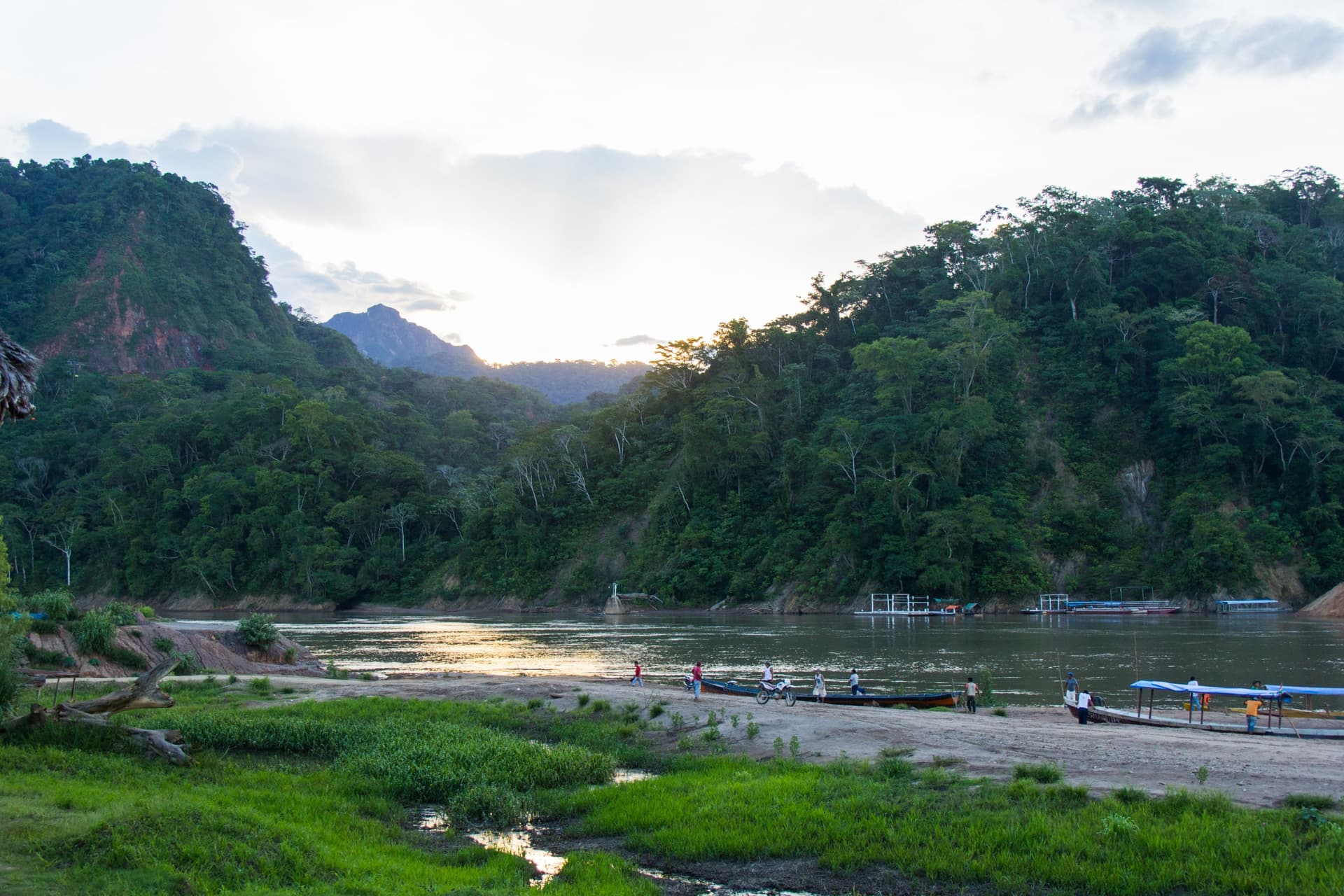
At the crossroads of the Andes and the Amazon, Rurrenabaque opens the way to Madidi National Park, the Yacuma wetlands and the Tuichi River.
Known affectionately as Rurre by its residents, Rurrenabaque is a small municipality nestled in northwestern Bolivie. Framed by the frontier zones of La Paz and the Beni River, it rises to 270 meters altitude, at the confluence of the Andean Cordillera and the Amazon Basin. The town serves as a gateway to exploring the Amazon rainforest.
History
In pre-Columbian times, Rurrenabaque was inhabited by populations from Arawak tribes, including the Tacana and Araona peoples. From the 16th century onwards, numerous changes brought about by missionary activity fundamentally disrupted the social and productive organization of indigenous civilization. The year 1880 marked a turning point, driven by the rubber boom. This economic explosion quickly transformed Rurrenabaque into a vital transit hub for river vessels traveling from La Paz. The prosperity attracted migrants interested in trading rubber, quinine and gold.
Today
The town thrives as a vibrant tourist destination. It continues to serve as a pivotal hub for transport, commerce and production. Moreover, the town boasts impressive biodiversity that nurtures ecotourism. The lands stretching between El Bala and Rurrenabaque abound in precious hardwoods—cedar, mahogany, tumi and moradillo.
Rurre is also the stage for a major cultural celebration at the city's edge, on February 2nd Plaza. On this occasion, locals and pilgrims gather to commemorate the Mamita de la Candelaria. They embark on a lengthy procession accompanied by the sounds of various traditional instruments.
The town boasts other notable attractions: the Church of Our Lady of Candlemas, the municipal mayor's office, and the Ballivian naval base stand as iconic landmarks. Nearby lies the House of Culture, where visitors can discover local handicrafts. For sweeping panoramic views, venture along the Avenida Costanera. Along this route, be sure to visit the ecological lodges.
The Enchanting Nature of the Surroundings
Rurrenabaque captivates travelers with the authenticity of its landscapes: lush vegetation, piercing cries of parrots, murmuring torrents, breathtaking views of eternal snows towering above 5,000 meters altitude… Through hiking or trekking, discover exceptional natural wonders.
Pilón Lajas Biosphere Reserve
This is a protected area where mountain ecosystems of tropical and subtropical forests converge. It harbors an extraordinary variety of plant and animal species. The location is home to the Chimane and Mosetén peoples. The zone, part of Bolivia's natural patrimony, now holds the title of biosphere reserve.
Tuichi River
Various animal species inhabit these waters, including the jaguar, eagle, harpy eagle, macaw and howler monkey. This river inspired celebrated author-adventurer Yossi Ghinsberg, who became lost in Rurrenabaque's jungle in 1981 for 20 days.
Madidi National Park
Preserved for its ecological and biogeographical importance, this reserve ranks among the world's most significant tourism destinations. The wildlife encompasses 40 species of vertebrates, including over 800 bird species, 156 mammal categories, nearly 80 amphibian types, 71 reptile species and 192 fish varieties. Among distinctive aquatic species, you'll find piranhas, freshwater stingrays and the pink river dolphin (bufeo).
On an excursion deep into the Pampas, you may encounter anacondas or black caimans. The highly diverse flora comprises approximately 1,870 genera of higher plants and 2,880 plant species. The territory is home to numerous indigenous ethnic communities, including the San Jose de Uchupiamonas indigenous people.
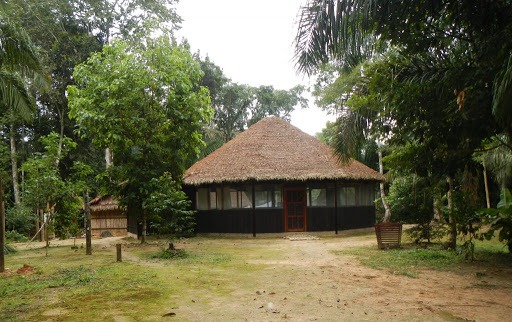
Encañada del Bala, a significant area of the park, shines with beauty, particularly thanks to its waterway winding through the mountains: the Beni River. At the park's heart lies the tropical Chalalán Lake, where canoeing is possible. On its shores stands the Chalalán ecological lodge.
Practical Information
Climate
Rurrenabaque is characterized by its intertropical position, warm and humid northwesterly winds, and the barrier formed by the Andean Cordillera. Abundant precipitation occurs throughout the year, sometimes even during dry periods. The average annual temperature hovers around 25°C, while annual rainfall averages 1,894 mm.
Getting There
By Air
Two regular weekly flights depart from La Paz with a flight time of 45 minutes. Travel is aboard small aircraft with 15 to 30 seats, due to the airport's limited capacity.
By Boat
First, take a bus from the Minasa bus terminal (La Paz) to the village of Guanay, a journey of at least 5 hours. From there, board a boat and traverse the Beni, Mapiri and Kakà rivers to reach Rurrenabaque. Travel time depends entirely on weather conditions and can range from 11 hours to 3 days.
By Bus
You can also travel by bus from La Paz, departing from the Minasa bus terminal. Depending on road conditions, allow approximately 24 hours for the journey.
Moto-taxis serve the entire town day and night.
Accommodation in Rurrenabaque
Want to discover this destination?
Our local advisors design your tailor-made trip.