Sorata
Sorata
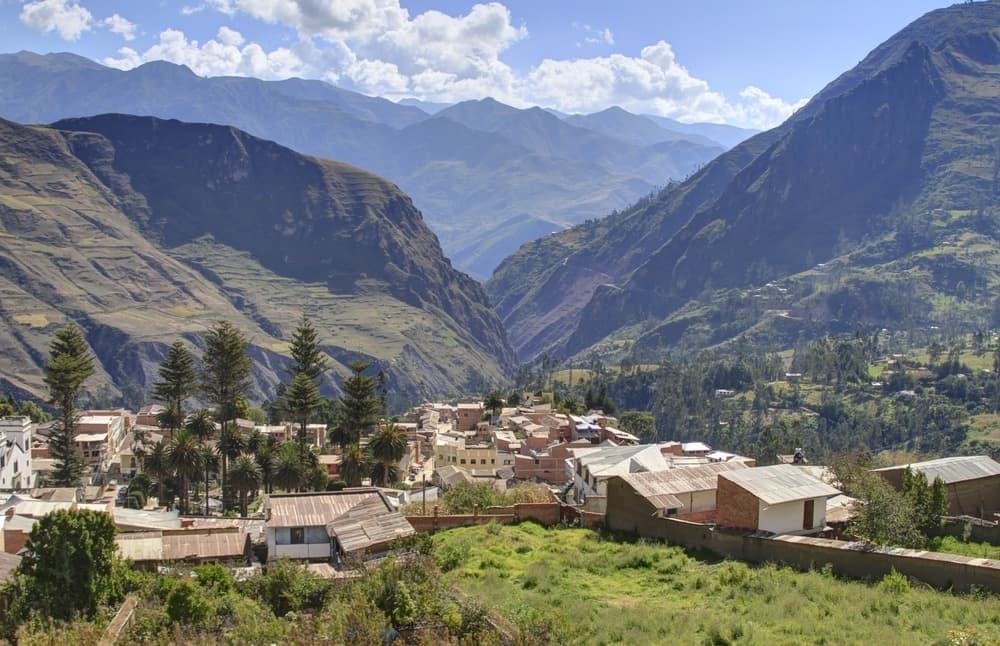
A Andean village nestled at the foot of Nevado Illampu, Sorata is the gateway to the most spectacular treks in the Royal Cordillera in Bolivia.
Ravaged by social unrest at the turn of the 2000s, Sorata is gradually reclaiming its position as an emerging trekking destination along the Yungas route. From this semi-tropical mountain village, you'll have easy access to some of Bolivia's finest treks, as well as exhilarating mountain-bike descents through the heart of the Royal Cordillera.
History
Sorata sits in the department of La Paz, 150 km northwest of Bolivia's capital. During the colonial period, this locality—whose name derives from the Aymara shuru-ata, meaning "shining peak"—served as a gateway to the gold deposits and rubber plantations of the Alto Beni region, as well as the Amazon basin. In August 1791, indigenous rebel leader Andres, nephew of the last Inca sapa Tupac Amaru, arrived in Sorata with 16,000 soldiers. He ordered the construction of dams above the village. These gradually filled with water from runoff flowing down the slopes of Nevado Illampu. When the rebels opened the floodgates once the channels were full, the city was swept away.
In more recent history, Sorata's residents have opposed actions by the Bolivian government, which they viewed as overly centralized. In 2005, for example, roadblocks sealed off the city for several days in protest against the privatization of the country's oil reserves.
Discovering Sorata
A small town in the Bolivian Andes
Sorata nestles at the foot of two of Bolivia's highest peaks: the Nevado Illampu (6,368 m) and Janq'u Uma (6,427 m), in the Royal Cordillera. The town lacks many specific tourist attractions, yet it's still worthwhile to stroll its picturesque streets—typical of a Bolivian pueblo—when weather doesn't permit hiking.
Life in Sorata revolves around the Plaza General Enrique Peñaranda, the main square and the town's showcase. It's a charming space, lined with date palms, small gardens, and a statue of General Enrique Peñaranda del Castillo, former president of Bolivia, who bears a curious resemblance to Adolf Hitler… Don't miss the historic mansion Casa Gunthere either. Built in 1895, the Richters family's trading post was converted into a splendid hotel: the Residencial Sorata. On Sundays, head to Sorata's market to sample local produce. The temperate climate and moderate altitude support diverse crops—from horticulture to fruit trees, corn, potatoes, and beyond.
Trekking around Sorata
Sorata draws visitors primarily for hiking and climbing in the surrounding mountains. Compared to its southern rival Quime, located southeast of La Paz, the village offers a broader selection of accommodations and more diverse vegetation. The trekking circuits themselves are also better and more varied, whether you're planning a day excursion or a multi-day trek. Here are some popular routes:
- The San Pedro Caves (3 hours), which legend says were deliberately flooded to prevent looters from finding conquistador treasure. The site also harbors an underground lake. On your return, you can stop at Café Illampu.
- Laguna Chillata (1 or 2 days), a high-altitude lake offering sublime views of the Sierra and the Lake Titicaca. Nearby, you'll find the remnants of a small Inca stone village.
- Laguna Glaciar (2 to 4 days), a glacial lake perched on the Illampu-Ancohuma massif at 5,038 m altitude.
- The pre-Columbian sacred site of Iskanwaya (5 days). This sprawling citadel, linked to Mollo culture, spans 13 hectares and contains over 70 structures.
- The Rubber Route toward Mapiri (7 days). One of Bolivia's most challenging treks.
- Mountain-bike descents followed by a river cruise to Rurrenabaque (5 days), among other options.
If you undertake trekking around Sorata, you'll be accompanied by a certified local guide—both for your safety and to support local families who depend on guiding income.
Sorata's Climate
Sorata enjoys a warm, temperate climate. The average annual temperature is 13 °C. The town receives roughly 575.8 mm of rainfall annually, with much of it falling in summer compared to winter. In October, the warmest month, temperatures hover around 15 °C. This drops to an average of 12 °C in July, the coldest month, which also records only 12 mm of precipitation. The rainfall peak occurs in February, averaging 164 mm annually. The most popular visiting season spans August and September.
Buses to Sorata depart from Cemetario General in La Paz and Rio Seco in El Alto. Services run hourly until around 3 p.m. Vehicles stop at Sorata's main plaza.
You can easily explore all of Sorata's tourist attractions and services—restaurants, shops, tourist information, and more—on foot. It's also possible to walk to San Pedro Cave. Beyond town, without a guide, you can simply consult open-source maps online to scout interesting hiking trails. If you prefer traveling by car, taxis wait near the main plaza.
What to Do in Sorata
- Stroll and snap photos on Plaza General Enrique Peñaranda
- Explore Casa Gunthere
- Browse provisions and souvenirs at the Sunday market
- Visit San Pedro Caves
- Enjoy a mountain-bike descent through the surrounding peaks, and more
Attractions in Sorata
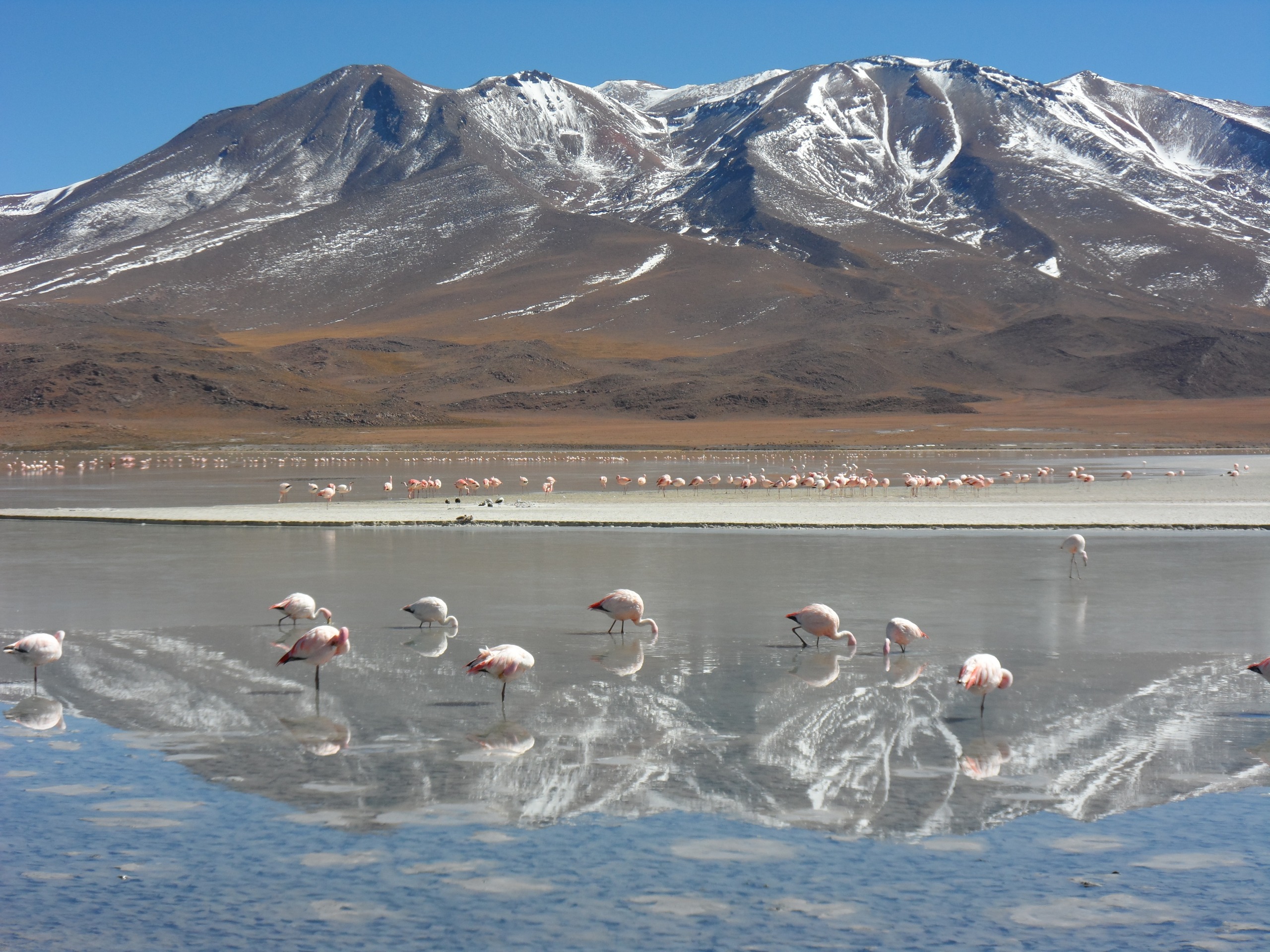
La Laguna Glaciar
Lac d'altitude perché à 5 038 m dans la cordillère Royale bolivienne, accessible par un trek exigeant de 3 jours depuis Sorata, au pied du massif Illampu-Ancohuma.
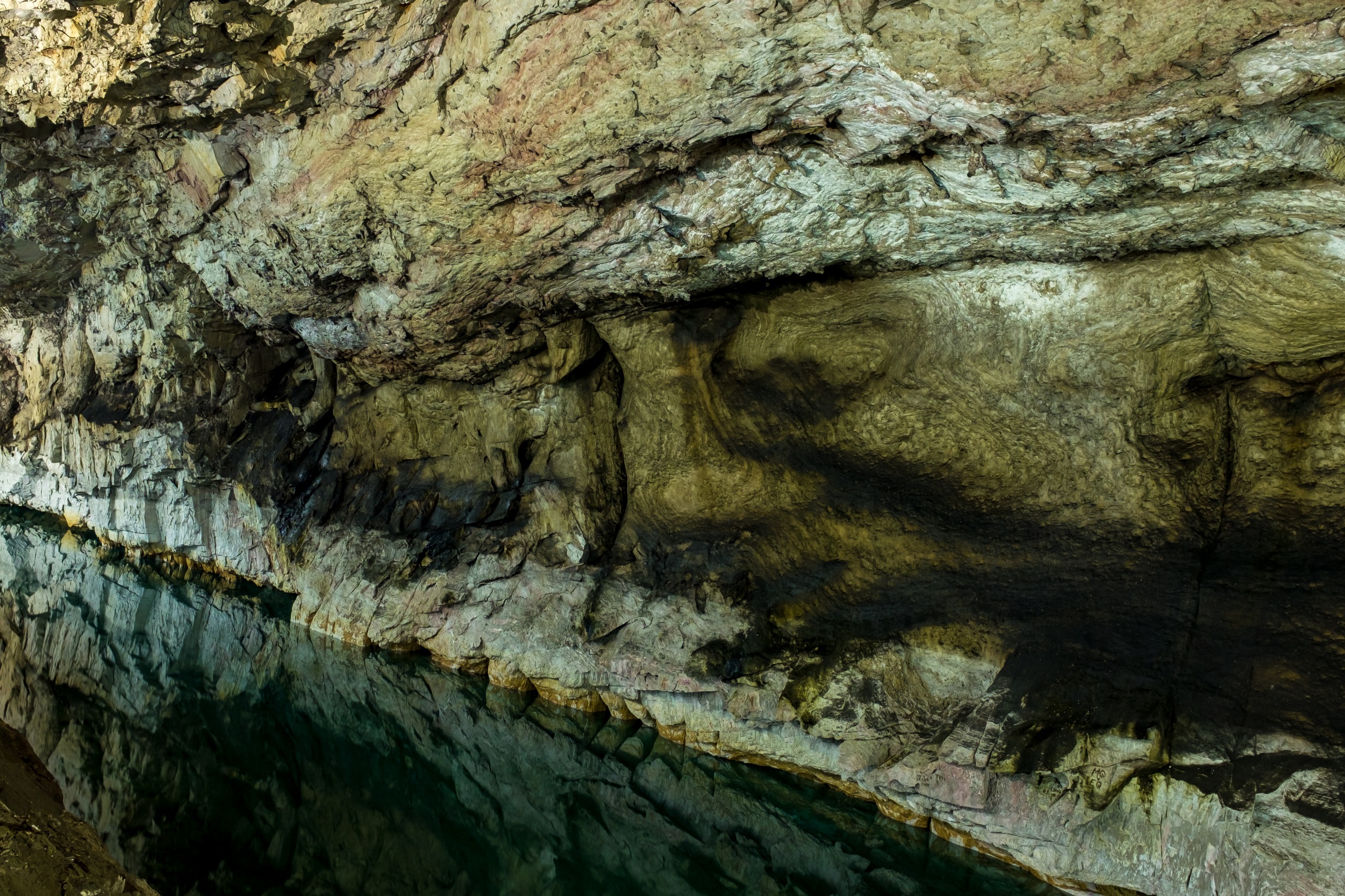
Caverne de San Pedro
Au pied d'une falaise de marbre près de Sorata, la caverne de San Pedro abrite un lagon souterrain, des chauves-souris et une vieille légende coloniale.
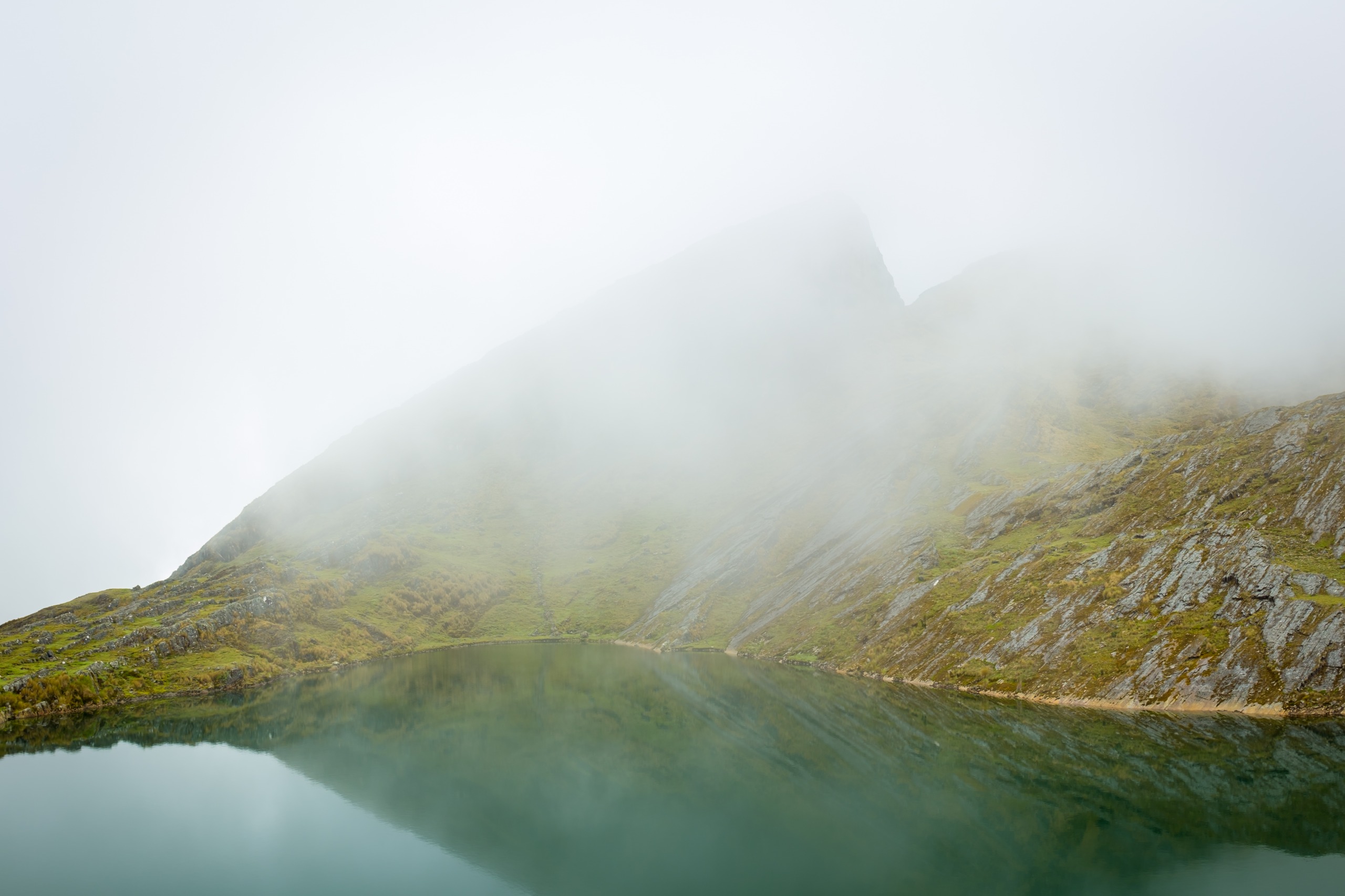
La Laguna Chillata
Lac d'altitude des Andes boliviennes au pied de l'Illampu, accessible depuis Sorata. Site sacré des Kallawayas, vestiges préhispaniques et faune andine.
Want to discover this destination?
Our local advisors design your tailor-made trip.