Sajama National Park
Sajama National Park
On the Chilean border, Sajama National Park brings together Bolivia's highest volcano, steaming geysers, natural hot springs, and a living Aymara heritage.
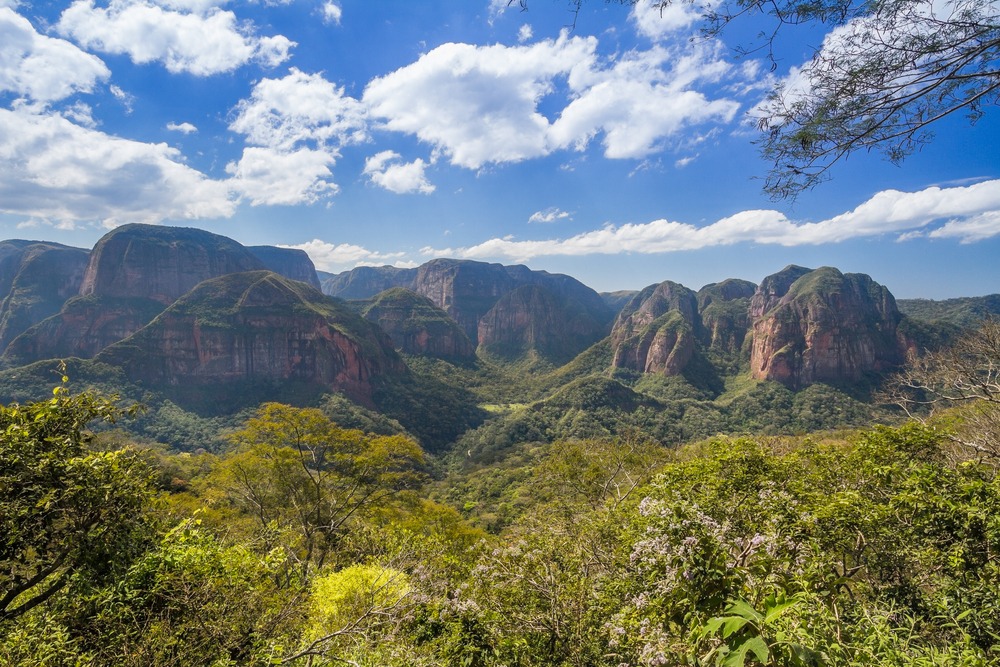
Spanning 1,000 km², Sajama National Park sits within the western volcanic cordillera at the border with Chile, just hours by car from the capital La Paz. A land of volcanoes, striking rock formations, and natural hot springs, it's equally a cultural destination, with ancient ruins and traditional villages that reveal the true soul of Bolivia.
History
According to legend, Mururata, the greatest mountain of the Andes, angered the Earth Mother goddess. Pachamama decapitated it, and blood from the severed head formed the Sierra Nevada, while the skull, coming to rest, became the Sajama volcano—the namesake of the national park.
The Sajama nature reserve was established in 1939 within the dry puna ecoregion of the Central Andes to protect the indigenous plant Queñoa De Altura. This shrub had long been ruthlessly harvested for charcoal production for Bolivian mines. Given its environmental and cultural value, Sajama was inscribed on the UNESCO Tentative List for World Heritage in July 2003.
Exploring Sajama National Park
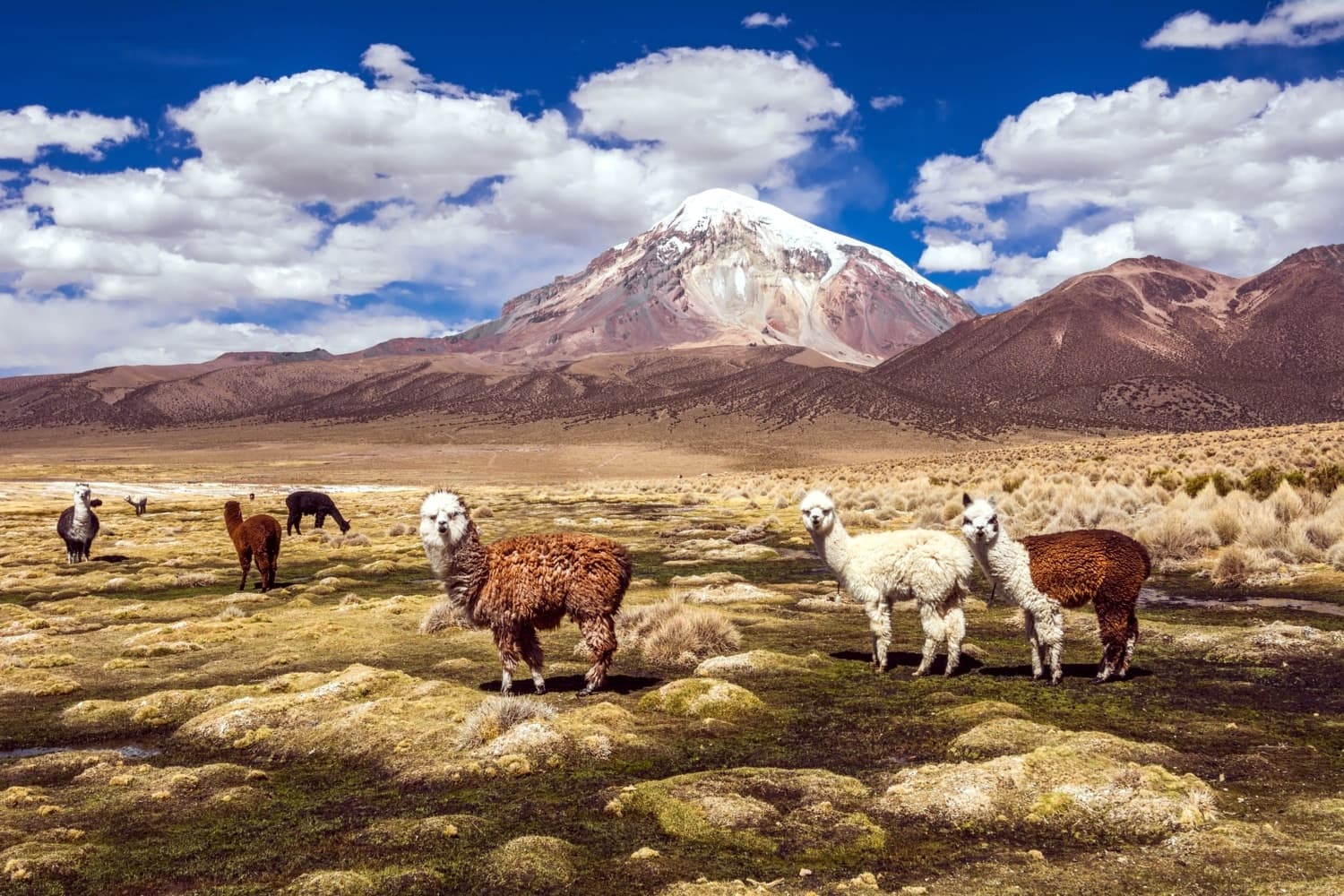
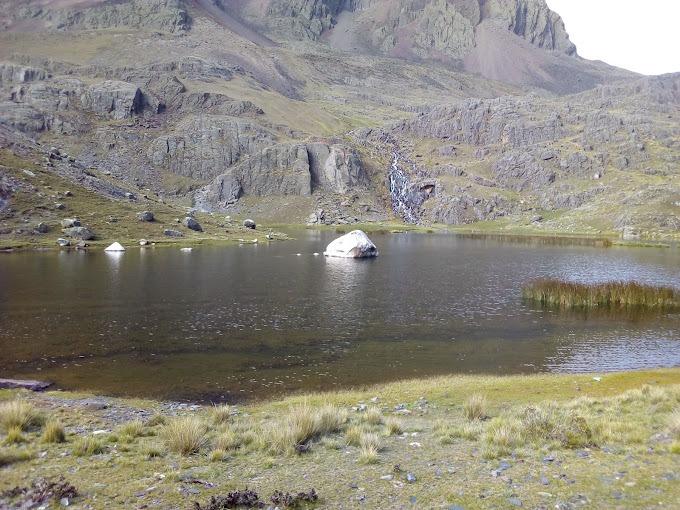
Whether seeking adventure or discovery, the Sajama region offers diverse experiences. Traversing the natural landscape, you'll encounter the Nevado Sajama, Bolivia's highest mountain. The most daring adventurers may attempt to summit it, but for casual visitors, the views from its base or elsewhere in the park are equally rewarding. Numerous trekking routes wind through highland lakes, including trails to the Laguna Huanakota and the trek to Lagunas de Altura. Geysers and hot springs are also among the popular attractions at Sajama. Some pools are believed to have medicinal properties for wellness.
Throughout the reserve, indigenous wildlife puts on a spectacular show—a boon for wildlife photographers. The park shelters numerous endemic species, creatures specially adapted over time to high-altitude climates. Some frequently feature in local legends, such as alpacas and vicuñas. Worth discovering: Bolivian llamas, vicuña, puma, chinchilla, flamingo, Andean fox, and more. Birdwatchers should head to the banks of the Lauca River!
From Nature to Culture
Indigenous Aymara people of caranga origin form the region's main communities. Organized into "ayllus," they preserve ancestral customs and beliefs. Livestock herding and weaving are their primary activities, with agriculture limited to potatoes and quinoa due to the harsh climate. In villages, as in the past, small houses maintain an authentic circular form, delighting visitors.
Near the town of Tomarapi lies a collection of prehistoric rock paintings. Yet the most compelling cultural attractions stem from the Aymara people who have inhabited the park for generations. First, there are chullpas—funeral towers preserving the remains of noble families. Then discover ancient fortifications called pucaras. At the park's borders, the enigmatic Sajama Lines stretch 16,000 km across the altiplano, ranking among humanity's greatest earthworks. For colonial-era heritage, the Sistine Chapel of the Altiplano and its frescoes in the small village of Curahuara de Carangas are well worth visiting.
To reach Sajama National Park, first take a bus to Patacamaya from La Paz or Oruro, or any other Bolivian city connected to them. The only buses serving the reserve directly come from Arica, Chile, and stop in Sajama village, 12 km from the park entrance.
From Patacamaya
In Patacamaya, the sole bus to Sajama departs between noon and 1:30 p.m. Arrive before 12 p.m., as seats are severely limited. The journey to the park takes roughly three hours. Before departing, you can lunch, refresh yourself, or shop in the village—it's the region's last supply point. Since the Sajama bus doesn't operate on Sundays, plan carefully and ration provisions accordingly.
When to Visit Sajama Park?
The dry season, lasting April through November, represents the best time to visit Sajama National Park. Though colder, roads are less congested and muddy, making access to the area's tourist sites easier.
Fees
Entry to Sajama National Park costs 100 bolivianos, including a small area map. Most tour operators don't include this fee in their pricing. To visit the hot springs, budget an additional 30 bolivianos.
Want to discover this destination?
Our local advisors design your tailor-made trip.