Santa Cruz
Santa Cruz
Tropical capital of eastern Bolivia, Santa Cruz de la Sierra blends colonial façades, street food, and excursions to Samaipata and the Chiquitania region.
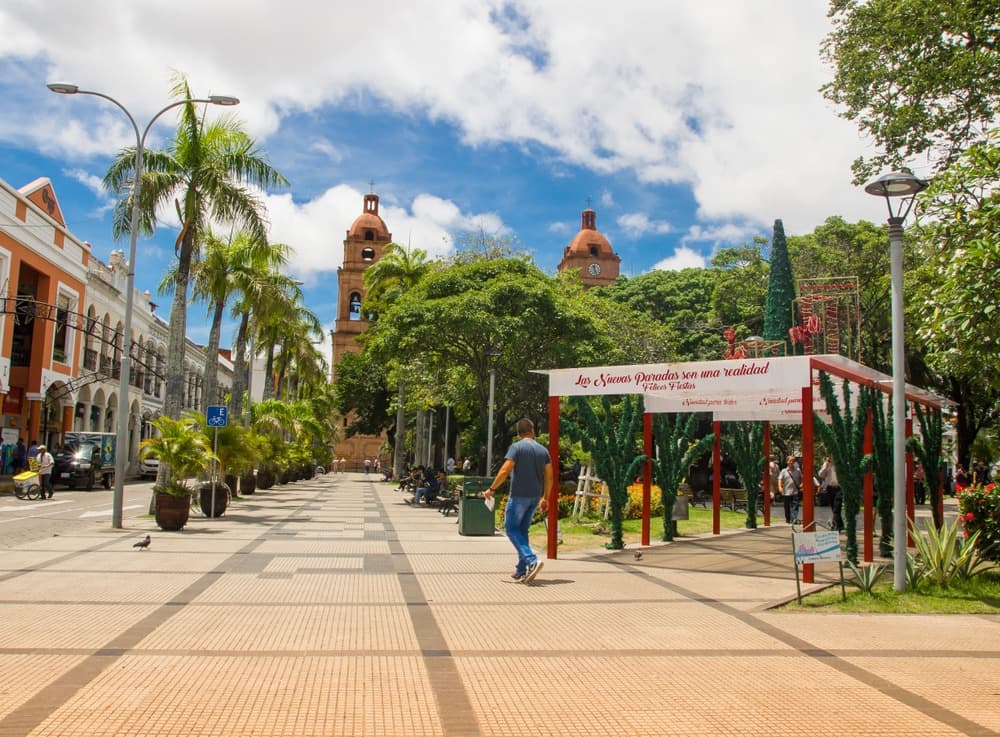
A small city dotted with colonial buildings, Santa Cruz de la Sierra breathes tradition while brimming with modernity. The dynamism is felt in its downtown, while street stalls offer a relaxed pause for business professionals. On the main plaza, camba music serenades residents resting on benches. Here is a tropical atmosphere that invites you to unwind.
History of Santa Cruz
Spaniards from Paraguay originally founded Santa Cruz in 1561 on the current site of San José de Chiquitos. Besieged repeatedly by indigenous peoples, the city was relocated to its present location, on the edge of the Piray River, in 1595. It received the name Santa Cruz de la Sierra. In 1811, the town claimed its independence from Spain—royalist forces briefly controlled it.
In 1950, the opening of the road to Cochabamba facilitated access to Santa Cruz. Railways gave it connections to the south of the country, Argentina, and Brazil. The city's international airport became a major crossroads.
Santa Cruz developed rapidly from the late 20th century onward with the growth of agriculture, notably rice, soy, and sugarcane cultivation, as well as oil and natural gas exploitation in surrounding valleys. Dairy product and soy industries, sugar refineries, alcohol producers, wood and leather processing plants, and more appeared in succession. The local population exploded at the turn of the 21st century: the number of residents surpassed that of Bolivia's capital, La Paz.
Discovering Santa Cruz
Santa Cruz de la Sierra is different from the Bolivia portrayed on postcards, but it hosts the most diverse population in the country: Mennonites, cruceños, gothic teenagers, Japanese culture enthusiasts, Cuban healthcare workers, immigrants from the altiplano, former Brazilian settlers, and more. The city is truly worth visiting for discovery, a culinary intermission, nightlife…
What to Do in Santa Cruz?
Amateurs of traditional street food will certainly love salteñas, oven-baked empanadas. Vegetarian dishes are fairly rare, the most common fillings being spicy chicken and beef. A few popular spots can be found on Rue René Moreno. Of course, for an authentic taste, purchase from the ladies with their carts. Delicacies made from dairy products, especially ice cream, are also excellent. Stands selling them are scattered around the main plaza.
The Plaza 24 de Septiembre is the beating heart of life in Santa Cruz. It's pleasant to sit there and watch the flow of people, read a book, or simply take in the air. Visit the cathedral, climb the winding stairs for panoramic views until you reach the bell tower of the main church. The main plaza also hosts a cultural center that regularly features exhibitions by local artists, in addition to private collections.
On the Road to Samaipata
Santa Cruz is a few hours' drive from a magical spot in Bolivia: the ruins of the Samaipata fortress. At the Samaipata Archaeological and Anthropological Research Centre, you will find an exclusive collection of bowls, dishes, and other types of vessels. These are adorned with anthropomorphic figures dating from well before the colonial period. Some date back 200 years B.C. The facility offers documentation on pre-Incan structures. The fortress's drainage system is also interesting, with its succession of channels and water basins. Furthermore, exhibitions demonstrate its belonging to the Kollasuyo empire. When you visit, start at the museum to better understand the site's history.
When to Visit Santa Cruz?
The most popular period for a stay in Santa Cruz extends from April to December, during the dry season. Between January and March, torrential rains can prevent travel, especially in remote parts of the region.
Santa Cruz has one of Bolivia's largest modern airports. Viru Viru International Airport welcomes flights from Miami, Washington, and Madrid several times a week.
El Trompillo Airport is more commonly used by the military for domestic travel between Santa Cruz and Sucre or Cochabamba. However, it also receives civilian domestic flights. Closer to the city center, El Trompillo is more convenient for cheaper taxi fares.
The railway that crosses Santa Cruz is nicknamed the "train of death," through which yellow fever victims were evacuated. It includes bumpy sections. It connects Santa Cruz to Quijarro in Brazil. There is another railway line to Yacuiba at the Argentine border.
The bus journey to Santa Cruz from Cochabamba takes 11h30. From La Paz, the overnight journey takes approximately 17 hours.
Santa Cruz's downtown can be covered on foot or by micro bus. Operating everywhere, micros are useful for reaching the bus terminal for Samaipata. Check their windshields to find route numbers and itineraries.
What to Do in Santa Cruz?
- Visit Santa Cruz Cathedral
- Take panoramic photos from the bell tower of the main church
- Taste street food
- Stroll through Plaza 24 de Septiembre
- Explore the Samaipata fortress, and more
Want to discover this destination?
Our local advisors design your tailor-made trip.