Amazon and Rurrenabaque
45 minutes' flight from La Paz, Rurrenabaque opens onto two worlds: the dense jungle of Madidi park and the flooded wetlands of Yacuma.
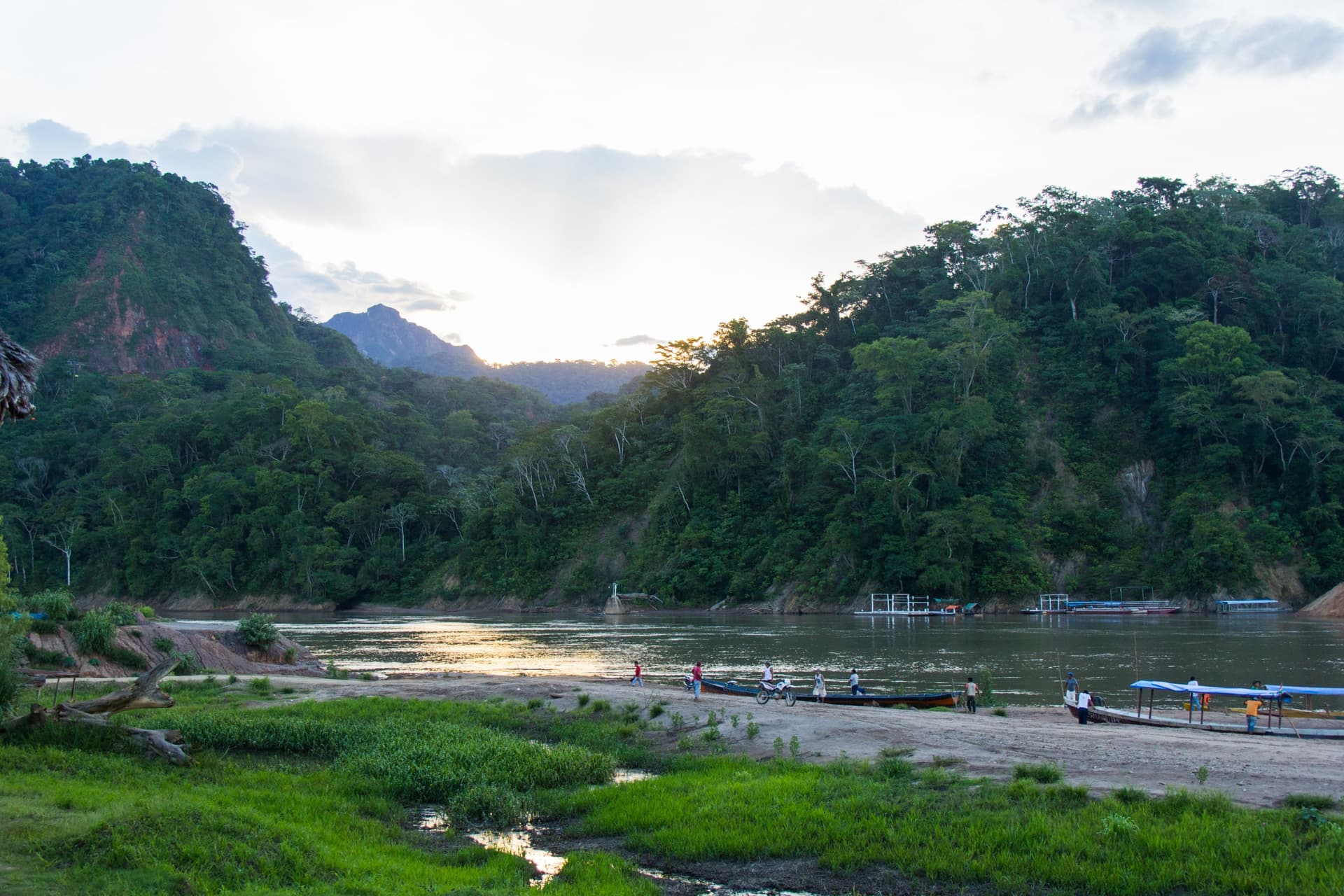
In the northeast of La Paz, the Bolivian Amazon begins where the Cordillera collapses toward the lowlands. From El Alto airport, 45 minutes of flying is enough to descend from 4,000 meters to 200 meters of altitude and land in Rurrenabaque, a small riverside town of 19,000 inhabitants perched on the left bank of the río Beni, across from San Buenaventura. There is a road route as well, but it requires 18 to 20 hours from the capital on a track that becomes impassable from December to March.
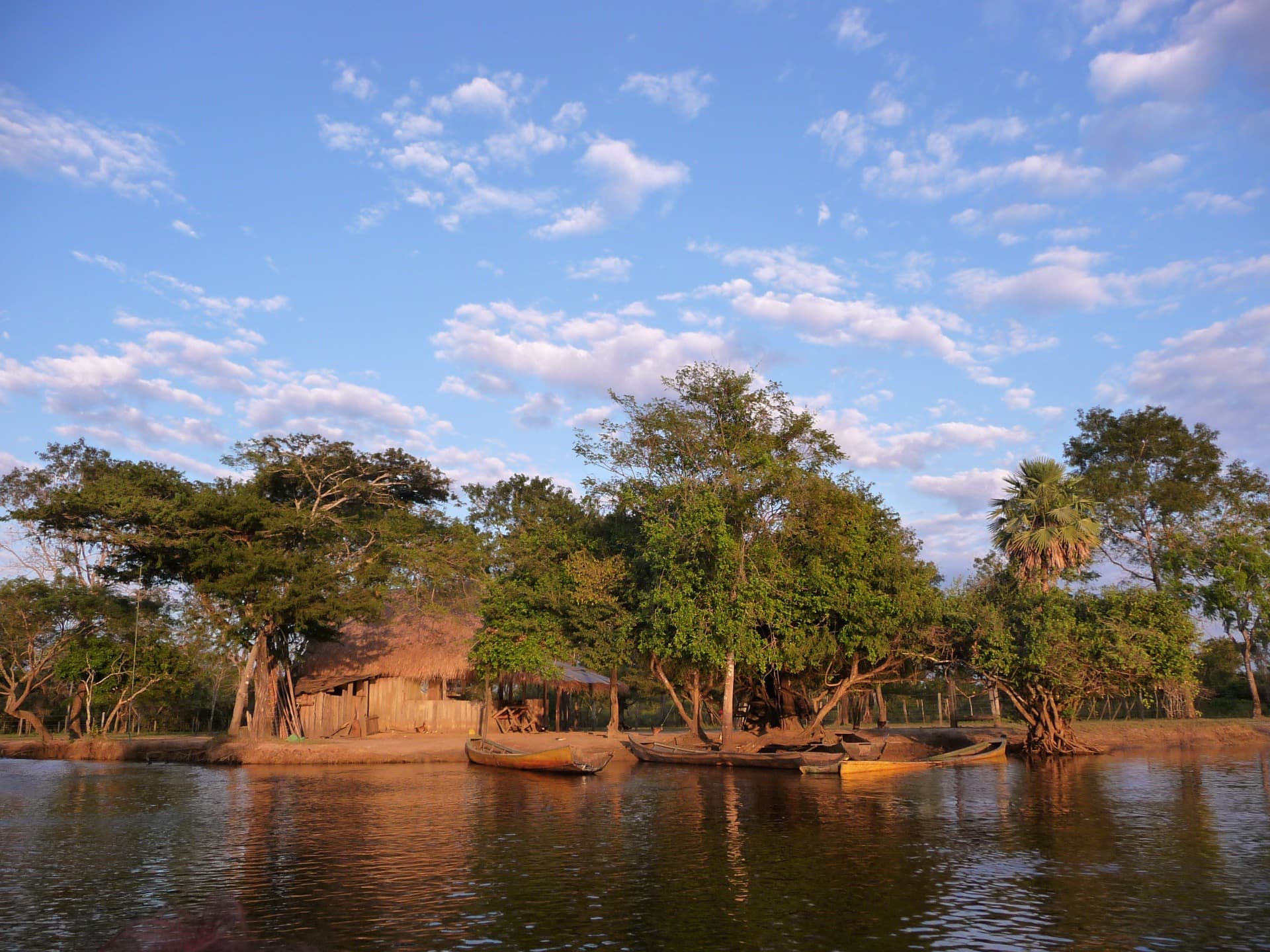
Rurrenabaque, which everyone simply calls Rurre, serves as a base for two radically different ecosystems. To the southwest, Madidi National Park covers 18,958 km², from the Andean foothills at 6,000 meters down to the Amazon plain. It is home to more than 1,000 recorded bird species, 200 mammal species, and one of the highest tree densities in the Amazon basin. To the east, 3 hours' drive away, the Yacuma wetlands offer an entirely different landscape: grassy plains flooded for six months a year, crossed by a narrow river where wildlife concentrates during the dry season.
The distinction between jungle and wetlands structures every visit here. In Madidi, you travel upriver on the río Tuichi in a motorized canoe for 3 to 5 hours to reach community lodges like Chalalán or Sadiri, managed by the Tacana and Quechua-Tacana communities of San José de Uchupiamonas. Forest walks there demand attention and patience: wildlife is abundant but elusive; you mainly observe howler monkeys, capuchins, macaws, toucans, and sometimes jaguar tracks or tapir signs. In the wetlands, the logic reverses. You glide in a boat down the Yacuma and see, effortlessly, black caimans on the banks, capybaras in groups, pink Amazon river dolphins (bufeos) surfacing, and anacondas that guides spot in the tall grasses.
Rurrenabaque itself is more than just a logistics hub. Founded in 1844, the town lives from fishing, rice and banana cultivation, and increasingly from tourism. The morning market offers majadito (rice with dried beef jerky), grilled dorado and surubí, these Amazon catfish that can reach 50 kilos, and yuca chicha prepared by neighboring communities. Evenings are often spent on the rooftops of cafés along calle Comercio, facing the sunset over the Serranía del Pilón, that last Andean barrier that closes the horizon to the west.
The region is also marked by the presence of indigenous peoples still deeply connected to the forest: Tacana, Tsimané, Mosetén, Esse Ejja. Several Madidi lodges are directly owned by communities and return profits to collective funds that finance schools and health posts. Choosing a community operator is not a token gesture—it is what maintains an alternative model to the logging and gold mining that gnaw at the park's margins, particularly along the río Madre de Dios to the north.
Climatically, the Bolivian Amazon remains warm year-round, between 25 and 35°C during the day, with high humidity. But two phenomena deserve anticipation: surazos, those cold winds from the south that can drop temperatures to 12°C for 2 to 4 days even in the dry season, and Amazon monsoon rains, which turn the wetland tracks into mud from December to March.
To discover
Chalalán community lodge. 5 hours by canoe up the Tuichi from Rurrenabaque, then wooden cabins surrounding a lagoon in the heart of Madidi. Guided walks led by residents of San José de Uchupiamonas, who know every trail from childhood.
Yacuma river wetlands. Three hours by 4x4 to Santa Rosa, then slow navigation on a narrow river lined with palm trees. Black caimans a meter from the boat, pink dolphins at the confluence, capybaras at dusk.
Macaw watching in Madidi. At the clay cliffs of the Tuichi, several macaw species descend at dawn to ingest mineral-rich clay. A loud and colorful spectacle, observable from a screened hide.
Market and rooftops of Rurrenabaque. Grilled surubí at the morning market, majadito at lunch, then cold beer on terraces overlooking the río Beni. The town keeps a river rhythm: everything is organized around pirogue schedules.
Dorado fishing on the Beni. With a local fisherman in a motorized canoe, a half-day outing to hunt dorado or pacú in the secondary channels of the river. A living practice, not a performance.
When to visit
The favorable season runs from May to October. The tracks are passable, mosquitoes less aggressive, and wildlife concentrates around residual water sources, making observations easier in the wetlands. Temperatures swing between 25°C at night and 33 to 35°C during the day, with manageable humidity. July and August are the driest months, but also the busiest, and it is when surazos—those Antarctic cold air waves that descend to the Amazon basin—can strike, dropping temperatures to 12-15°C for 2 to 4 days.
From December to March, the Amazon monsoon dumps 250 to 400 mm of rain monthly. Tracks to the wetlands become impassable, river levels rise 6 to 10 meters, and many Madidi trails are flooded. Jungle excursions from the lodges accessible by water remain possible, and birdwatching is even richer, but the Yacuma is not recommended during this period. April and November are decent shoulder seasons, with short afternoon showers and very green vegetation.
Practical advice
We recommend a minimum of 4 days on site to combine one night in the wetlands and two nights in the jungle, knowing that the flight from La Paz remains weather-dependent and you should budget a day's margin on arrival and departure. Six days allow a more leisurely stay, with longer walks in Madidi and time to reach a remote lodge like Chalalán or Berraco. Entry is through Rurrenabaque airport, served daily from La Paz by regional carriers with small 19-seat aircraft.
The region logically combines with La Paz and the Altiplano just before or after, since the flight departs from the capital. For travelers continuing to the Salar de Uyuni or Sucre, we recommend placing the Amazon at the start of your itinerary, as the ascent from 200 m to 3,600 m is better tolerated in this direction. Comfort is acceptable but rustic: cold or lukewarm water in most lodges, electricity limited to a few hours via solar power, mosquito nets on beds. This is not a destination for those seeking luxury jungle, but it suits nature-focused travelers, families with children from age 8 onward curious about wildlife, and those wanting to experience community tourism without activist baggage.