What to Do in Potosí: Discover the Must-See Sites of This Historic City
Potosí is an important city in the history and economy of Bolivia. A former colonial city and major center of mining operations,
Potosí is an important city in the history and economy of Bolivia. A former colonial city and major hub of mining operations, it still bears the imprints of this rich historical past. Between exceptional natural landscapes and remarkable cultural sites, let yourself be guided through the world's second-highest city!
What to See and Do in Potosí?
Potosí's Old Town
Once the world's largest industrial complex thanks to ore extraction, Potosí's old town has been inscribed on the UNESCO World Heritage List since 1987. Between the 16th and 17th centuries, it was one of the principal centers for exporting precious metals to Seville (the city was then under Spanish colonial control).
Its authenticity, architecture, and religious buildings are part of the UNESCO-listed ensemble. During your visit, you can admire:
The Casa de la Moneda: constructed in the 1700s, this colonial building houses an art museum featuring sculptures, paintings, furnishings, and historical objects.
Potosí Cathedral: considered one of the most beautiful in the country, this Baroque-style cathedral features three naves and a German organ. The view from its bell tower offers a stunning 360° panorama of the surroundings (and the main plaza).
Santa Teresa Convent: this Carmelite church, built during the 17th century, now houses a sacred art museum. Beyond discovering the lives of former Carmelites, you can admire a superb altarpiece and numerous paintings.

Visiting Potosí's Mines
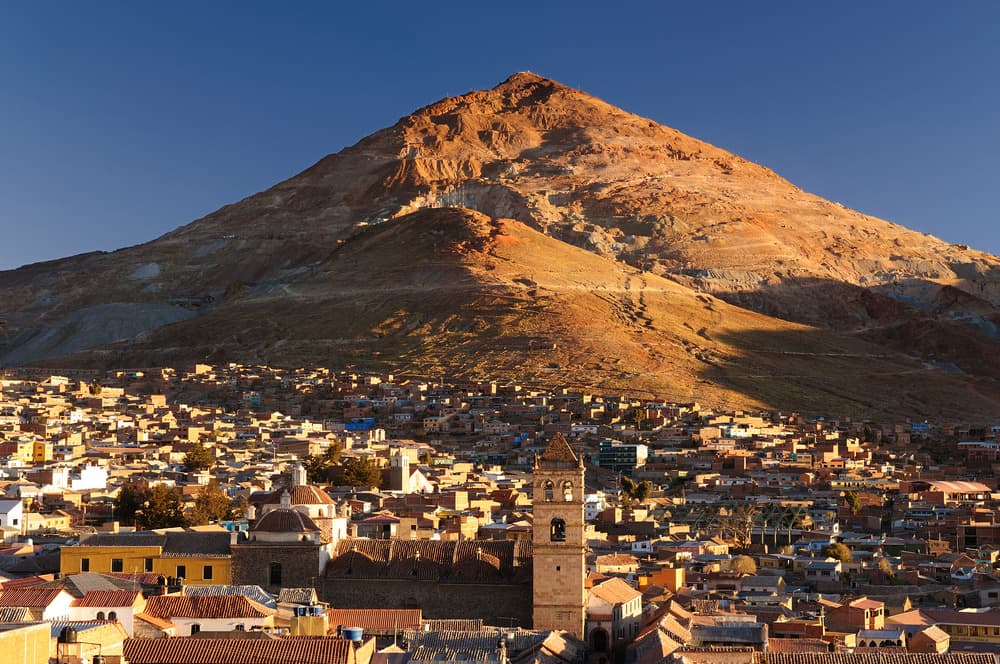
In 1545, Spanish colonists discovered the world's largest silver deposit on the lands of Cerro Rico (or "Rich Mountain"). They then settled at the foot of the mountain—and this is how the city of Potosí was born, bearing the same name as its department.
To exploit these resources, the colonists displaced indigenous communities to serve as miners. By the 17th century, nearly 13,500 Native Americans were forced to work in the mines, according to UNESCO.
Overexploited, Cerro Rico deteriorated over time. To protect the site, Potosí was inscribed on the World Heritage List in 2014. Today? Silver resources are depleted, but some Potosí residents continue extracting tin…
Opinions on visiting Potosí's mines vary. For some visitors, it's an unmissable stop that tells the city's (and country's) story. For others, it's simply voyeurism.
The mines are open to the public daily and allow you to see miners' working conditions—except on Sundays, when they don't work. Note that activity is reduced on Saturdays and Mondays. Visit price: approximately €10 per adult.
Tarapaya Lagoon
Tarapaya Lagoon (or Laguna El Ojo del Inca) is a natural treasure of volcanic origin. Located a half-hour from Potosí, this hot spring (at 25-30°C) is considered a relaxing "thermal lagoon".
Because of its whirlpools, the lagoon can be dangerous (visitors have lost their lives there). As a safety measure, it sometimes becomes off-limits for swimming… According to legend, these accidents are the work of angry spirits, punishing careless swimmers who dare venture into the lagoon's center!
How Long Should You Spend in Potosí?
To fully enjoy Potosí, it's advisable to spend at least three days there. First, because it takes a day to acclimatize to the altitude, and also because some iconic visits take time. Plan for:
3 hours for the mine visit (1 hour 45 minutes of visiting + time to change into required protective gear).
A half-day for visiting Tarapaya Lagoon (it's located 35 minutes from the city, making over an hour of travel each way).

How to Get to Potosí?
There are no direct flights to Potosí from France. The city is accessible by road (rental car or bus) from several Bolivian airport terminals:
Sucre-Alcantarí Airport (SRE), 3 hours of travel.
La Paz-El Alto Airport (LPB), 8 hours of travel.
Juan Mendoza Airport, Oruro (ORU), 5 hours of travel
Tupiza-Mochará Airport (TJA), 4 hours of travel
Viru Viru Airport, Santa Cruz (VVI), 15 hours of travel (approximately 700 km).
A few domestic flights also occasionally land at Capitán Nicolás Rojas Airport (POI), located just a few kilometers from Potosí's city center… But these flights, though rarer, are quite expensive. Many travelers prefer a road journey from more distant airports instead.
Frequently Asked Questions
What Is the Altitude in Potosí?
Perched at 4,090 meters of altitude, Potosí is the world's second-highest city (after El Alto, located near La Paz). To avoid soroche ("mountain sickness"), you should acclimate your body to the high altitude. To do this, it's advisable to stay beforehand in a city situated above 2,000 meters of altitude, and to hydrate well.
What to Do in Sucre, Bolivia?
Located 150 km north of Potosí, Sucre (pronounced "soo-kreh") features superb whitewashed buildings, earning it the nickname "White City". During your visit, you can explore churches, charming interior courtyards at the heart of the city, as well as numerous art galleries.
What to Do in Uyuni?
Approximately 4 hours' drive south of Potosí, Uyuni is an essential stop on a Bolivia trip. Beyond housing a rich historical heritage (such as the train cemetery with stunning Western-style landscapes), the city sits on the famous Salar d'Uyuni route, which leads to the world's largest salt flat!
What to Do in Tupiza?
Renowned for its giant cacti and ochre-colored rocky landscapes, Tupiza is considered the "Bolivian Far West". Situated at 2,950 meters of altitude, the city is the starting point for hikes leading to numerous canyons—including Cañón del Inca and Cañon del Duende. In the heart of the city? Take time to admire the superb Plaza Independencia, dominated by the magnificent Notre-Dame de Carmen Cathedral.
Frequently asked questions
The best time to visit Potosí is the dry season, from May to October. Daytime temperatures are milder and rainfall risks are reduced, making it easier to visit the mines and explore the surroundings. Avoid the rainy season (November to March), when roads can become difficult to access.
Visiting the Cerro Rico mines carries certain risks: narrow galleries, silica dust, gases, and extreme temperatures. It is recommended that people who are claustrophobic, asthmatic, or have heart conditions refrain from visiting. Agencies typically provide full equipment (helmet, lamp, protective suit). The visit costs approximately €10 per adult.
From La Paz, there are no direct regular flights to Potosí. The most common route is by bus from La Paz-El Alto Airport (LPB), taking approximately 8 hours. The fastest option is to fly through Sucre-Alcantarí Airport (SRE), then reach Potosí by car or bus in 3 hours.
Tarapaya Lagoon, also called 'Ojo del Inca', is a hot spring at 25-30°C. However, swimming is sometimes prohibited due to dangerous whirlpools that have caused fatal accidents in the past. Check conditions on-site before swimming and strictly observe any safety notices posted.