Copacabana
Copacabana
On the southern shore of Lake Titicaca, Copacabana blends pilgrimage, Andean landscapes, and crossings to Isla del Sol. Our complete guide to prepare your visit.
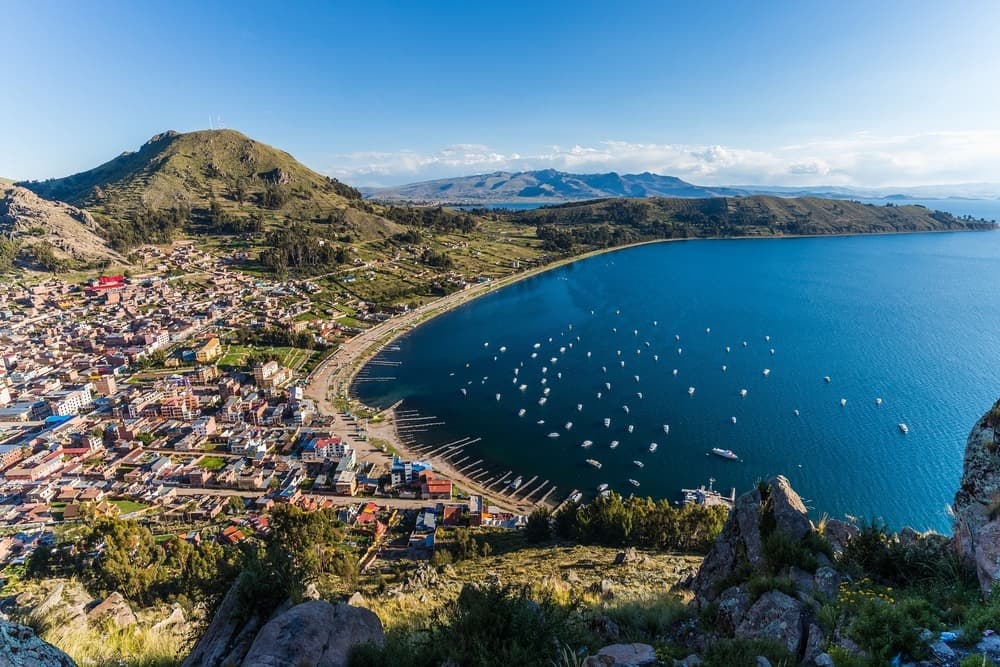
On the shores of the Lake Titicaca, Copacabana is a captivating stopover between La Paz and Puno or Cuzco. Nestled between two hillsides, it has always been a religious destination, where pilgrims from around the world continue to flock during festival days. When seeking quieter moments, waterside strolls will disconnect you from the crowds. Equally, don't miss the excursions to Isla del Sol, a corner of the world steeped in mystery.
History of Copacabana
According to tradition, the city's name comes from the Aymara word kota kahuana, which translates to "view of the lake." However, research by sociologist Mario Montaño Aragón on the "Archives of the Indies" in Seville revealed an entirely different story. In ancient Andean mythology, "Kotakawana" designates an androgynous god of fertility, the equivalent of Venus in Italy or Aphrodite in Greece. This deity lived in Lake Titicaca, surrounded by the "Umantuus" or "mermaids," as shown in representations in Catholic churches and colonial sculptures throughout the region. The Basilica of Our Lady of Copacabana was founded on the site of Kotakawana's main temple. Thus, the city was already a sacred place long before the arrival of the Spanish.
Discovering Copacabana on the Shores of Lake Titicaca
While the Copacabana beach in Rio enchants lovers of seaside pleasures, Bolivian Copacabana is more a city of traditions than charm. At first glance quite backpacker-oriented and marred by litter, especially along Lake Titicaca's shores, you'll discover a city that doesn't lack character once you wander its bustling streets. It's also the main departure point for visiting the famous Isla del Sol.
The main attraction is the Basilica of Our Lady of Copacabana, declared patroness of Bolivia. Built in 1550, then rehabilitated in the seventeenth century, the church is grandiose, with Renaissance-style architecture. Next, head to Cerro El Calvário for a panoramic view of Lake Titicaca. The sunset from this spot is simply magical. The path up the hill is used by pilgrims to relive Jesus's ordeal on the cross.
Since Copacabana is quite small, you can easily cover it on foot. The city's nerve center is the Avenida 6 de Agosto, lined with cafés, bars, restaurants, shops, markets, and hostels. The area exudes a very rustic atmosphere. Walking down the avenue, you arrive at the shores of Lake Titicaca where a few restaurants have set tables on the terraces to enjoy the sunset differently. Take a break to savor the local culinary specialty, the salmon trout trucha, freshly caught from the lake, unless you prefer pizzas or pasta…
Visiting Isla del Sol on Lake Titicaca
Straddling the border between Bolivia and Peru, Lake Titicaca holds many stories and legends. According to belief, the first Inca Manco Capac emerged from its waters. He founded Cuzco approximately 530 km from Copacabana, where the Inca Empire was born. Located at 3,800 meters altitude, Titicaca stands out as the highest navigable lake on the planet. It contains the second largest volume of water among Latin American lakes, after Maracaibo in Venezuela.
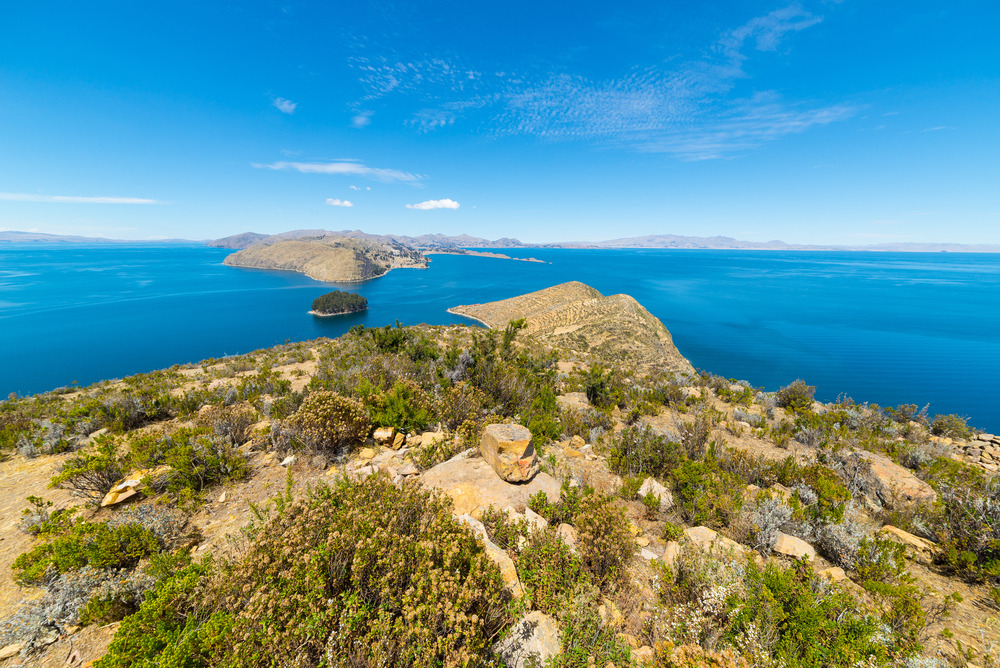
Off the crystalline waters of Titicaca, Isla del Sol has been inhabited for centuries. It's a jewel of authentic indigenous culture, but also a land of escape with its white beaches and verdant hikes. Accessible in two hours by boat from Copacabana, the island offers accommodation where travelers can spend the night.
Excursion into the Countryside
Admittedly, exploring the surroundings isn't the priority for most travelers, given that the majority concentrate their time on Isla del Sol. Yet the peaceful, lush countryside holds many surprises for those who make the effort to explore it. You'll discover among other things small fields of potatoes and quinoa, strange herds of llamas too, carefully tended by friendly old campesinos. Let yourself be tempted by the hike to Yampupata, a challenging trail through deserted paths, but one that will give you the opportunity to see isolated stretches, off the beaten paths of Copacabana which has something of a tourist trap reputation…
Climate in Copacabana
Copacabana inherits a subpolar oceanic climate with dry winters. Characteristic of regions experiencing this climate category, the city experiences a "low sun" season that is much drier. Its high-altitude setting means it's generally cool year-round. Nevertheless, temperature variations can occur due to tropical influences. The annual average temperature in Copacabana is 15°C. At night, it can be much colder during the "low sun" season.
From the bus station at La Paz Cemetery, the journey takes approximately three and a half hours to the Strait of Tiquina. There, board the ferry to reach the other shore where local buses will take you to Copacabana. Vehicles stop at the Plaza 2 de Febrero.
From Puno in Peru, the bus journey to Copacabana also takes approximately 3.5 hours, including half an hour to cross the border.
Copacabana can be visited on foot. To explore the surroundings, you can take a local bus. If you want to go to Isla del Sol, boats depart from the dock located across from the main avenue at 8:30 am and 1:30 pm.
Attractions in Copacabana
Péninsule de Yampupata
À 20 km au nord de Copacabana, la péninsule de Yampupata s'avance dans le lac Titicaca face à Isla del Sol : village aymara, randonnée et avifaune andine.
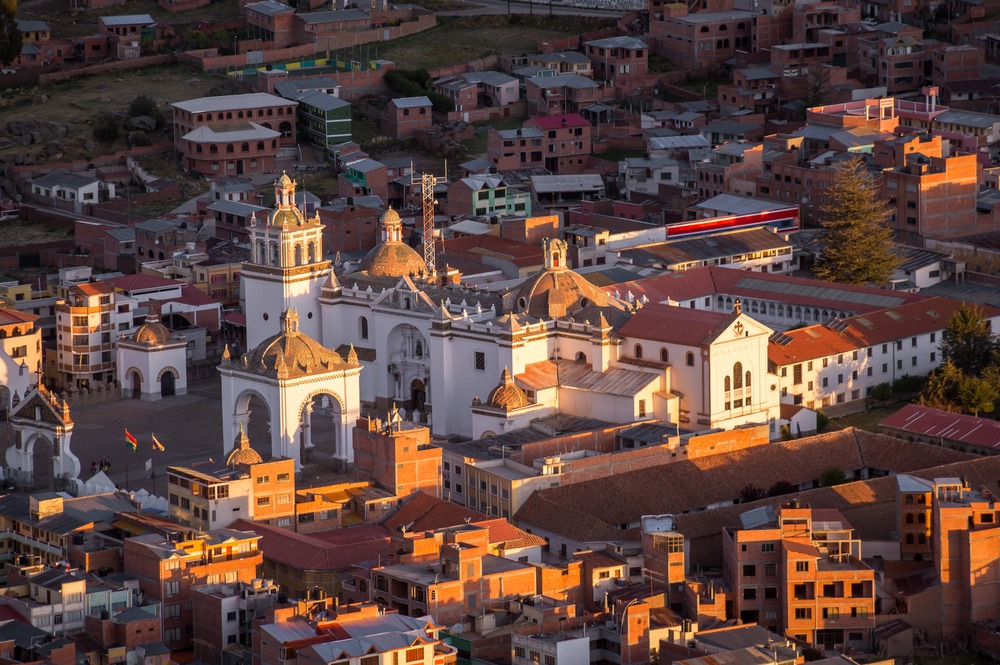
La basilique Notre-Dame de Copacabana
Sanctuaire colonial blanc au bord du lac Titicaca, la basilique de Copacabana abrite la Vierge sainte patronne de la Bolivie et un syncrétisme religieux unique.
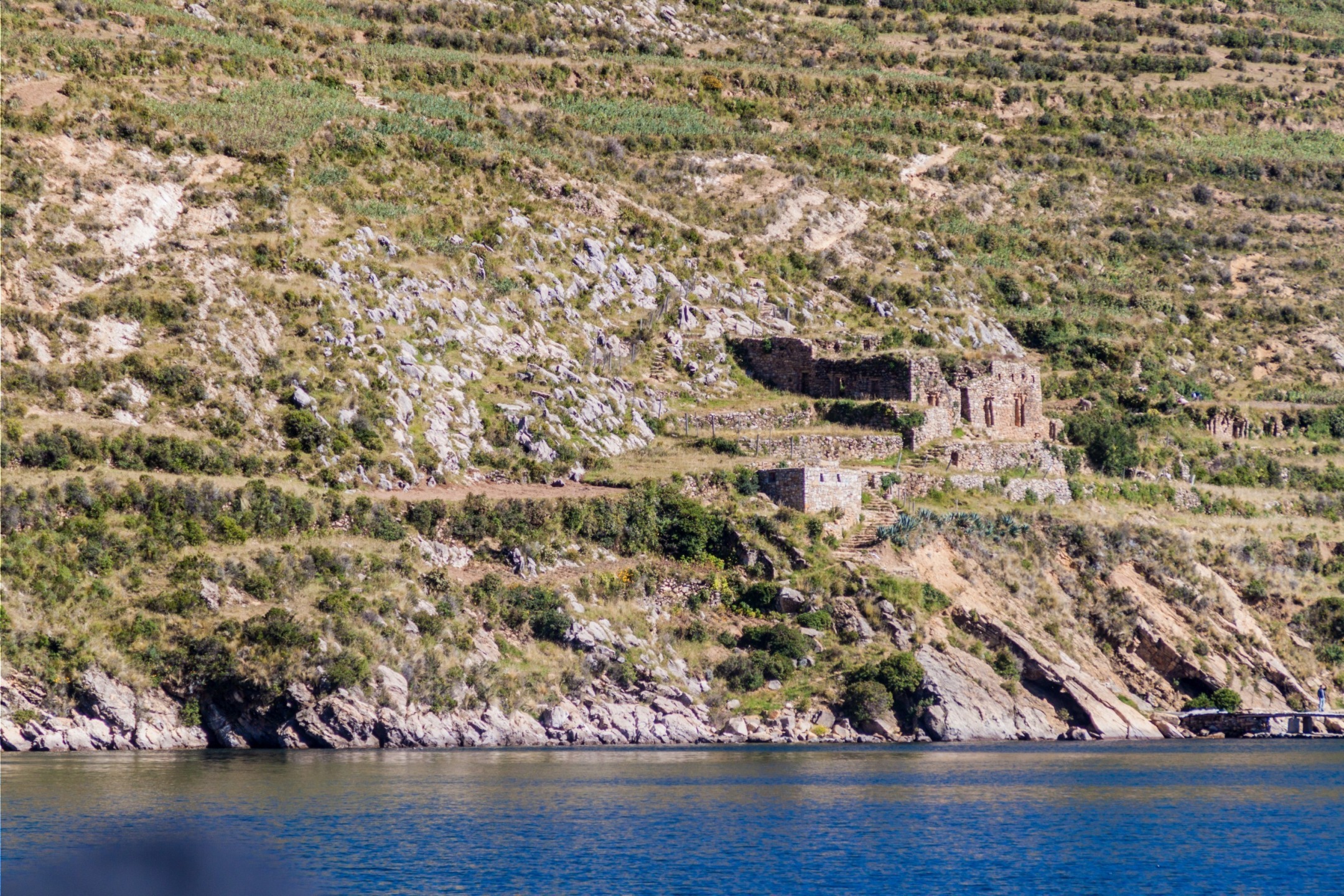
Les ruines de Pilkokaina
Palais inca attribué à Túpac Yupanqui, Pilkokaina domine le lac Titicaca depuis le sud de l'Isla del Sol. Architecture, accès et visite pratique.
Want to discover this destination?
Our local advisors design your tailor-made trip.