Sucre
Sucre
Bolivia's constitutional capital, Sucre blends UNESCO colonial heritage, Andean treks and a laid-back atmosphere at 2,790 metres altitude.
Renowned for its distinctly Bolivian character, pleasant climate and myriad whitewashed buildings that stand in striking contrast to the azure sky, Sucre rightfully deserves its reputation as Bolivia's most beautiful city. Perched at 2,790 metres altitude, it's the ideal place to recharge or simply unwind in a welcoming setting. Between its cultural richness, extraordinary historical heritage and engaging activities in the surrounding area, the vibrant city of Sucre will awaken the adventurer within you for an unforgettable stay.
A Brief History
Founded by the Marquis of Campo Redondo, Pedro de Anzures on 29 September 1538, the city of Sucre initially housed the Charkas people. It went by several names including Charcas, White City, La Plata and Chuquisaca before becoming Sucre.
Because Sucre was the first city to gain independence among all Bolivian cities, thanks largely to General Antonio José de Sucre and Simón Bolívar, the city was renamed in honour of this hero. It thus became Bolivia's constitutional capital.
Today
Listed as a UNESCO World Cultural Heritage site since 1991, Sucre was, for several centuries, the cultural and religious centre of the region. The perfect blend of local and imported architectural styles displayed by the buildings, combined with their homogeneous and harmonious preservation in forms that enhance the environment, define this historic city's authenticity.
Magnificent buildings showcase architectural styles bearing witness to the eras the city has traversed. Convents, churches and colonial, Baroque and Renaissance-style residences attract thousands of travellers. Today, nicknamed "the white city", this place remains highly appealing not only for its distinctly Bolivian architecture, but especially for the richness of its history.
An Animated City: Festivals and Events
Sucre is also known for the numerous festivals and events it organises each year. Tourists are welcome and particularly appreciate the vibrant atmosphere. While mass, music, dance, tastings and traditional games bring inhabitants together for the Fiesta de la Virgen de Guadalupe in September, a whiff of history permeates the Pulljay in March. Commemorating the victory of indigenous warriors over a Spanish troop, the Pulljay brings Bolivians together through a carnival enhanced by dance and music.
What to See in Sucre?
Basílica Menor de Nuestra Señora de Guadalupe
Visit Sucre's Metropolitan Cathedral, located on Plaza 25 de Mayo. This building stands out for its blend of mestizo Baroque and Renaissance styles. Imposing and majestic, the cathedral's construction took years, evolving with the styles of its era. While the museum reveals one of the finest collections of Sacred Art from the 16th to 18th centuries, the Nuestra Señora de Guadalupe chapel surprises with its image of the Virgin of Guadalupe adorned with ornaments and draped in a cloak of diamonds and emeralds.
The Museums
To help you understand Sucre's unique history, explore its various museums where thousands of treasures and stories are preserved. You can visit:
- Casa de La Libertad Museum
- Museo de la Recoleta
- Museo del Textil Azur
- Sucre's Anthropological Museum and Charcas Colonial Museum
- Museo del Tesoro
Convent of San Felipe de Neri
Founded in 1795, the Convent of San Felipe de Neri showcases neoclassical architecture. It was built using stone extracted from the Churuquella mountain quarries. In its day, it bore witness to the power of the Catholic Church in society. From the building's terrace, a splendid panorama of the city will transport you far away.
What to Do Around Sucre?
Head to Parque Bolívar
Fun and surprise await at Parque Bolívar. A dinosaur-themed children's play area with pedalo boats in the fountain, a giant slide and an Eiffel Tower Sucre will entertain the young. After playtime, you can visit Parque Cretácico for a brief palaeontological lesson. Located just a few kilometres away, the park contains over 5,055 dinosaur footprints more than 68 million years old.
Hiking and Treks Around the City
What could be more thrilling than exploring arid canyons, hunting for dinosaur footprints or discovering surrounding villages through hiking and trekking? The area around Sucre offers several routes ideal for seasoned adventurers. There's the trek of the tejedores J'alkas, which follows one of the Inca roads and takes you from Chataquilla to Chaunaka over 2 days. If you prefer more adrenaline, the 3-day trek to Cordillera de los Frailes is perfect.
Stroll Through Baroque Streets
Beyond its distinctive atmosphere and pleasant climate, the white streets that illuminate Sucre's wonderful city give the air a sense of eternal spring. During your walk, visit the Mercado Central where fruits, vegetables and street food will tempt you. Taste traditional dishes, savour Sucre's speciality—saltenas—and enjoy the traditional Bolivian cocktail made with the nation's spirit, the Chuflay.
Best Time to Visit
Sucre enjoys a dry climate with temperatures ranging from 25°C in summer to 5°C in winter. The best months to visit are January, February, March, July, November and December. However, to truly capture the soul of this laid-back city, visit during festivals and events in March and September.
You can reach Sucre by bus. Several companies offer service:
- Trans Copacabana de Sucre from Cochabamba: the journey takes approximately 8 hours, costing 50 BOB per person (€7)
- Emperador de Potosí to Sucre: 3.5 hours duration for 20 BOB (€2.50)
Attractions in Sucre
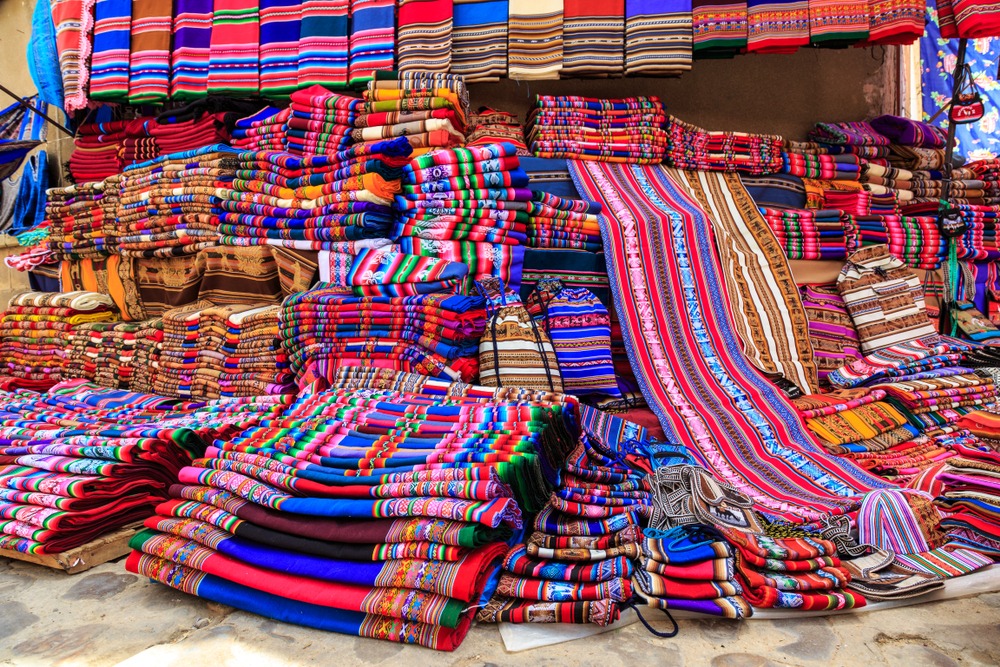
Marché artisanal de Tarabuco
À 65 km de Sucre, le marché dominical de Tarabuco rassemble les communautés Yampara autour de leurs textiles, de leur cuisine et d'une mémoire indigène vivace.
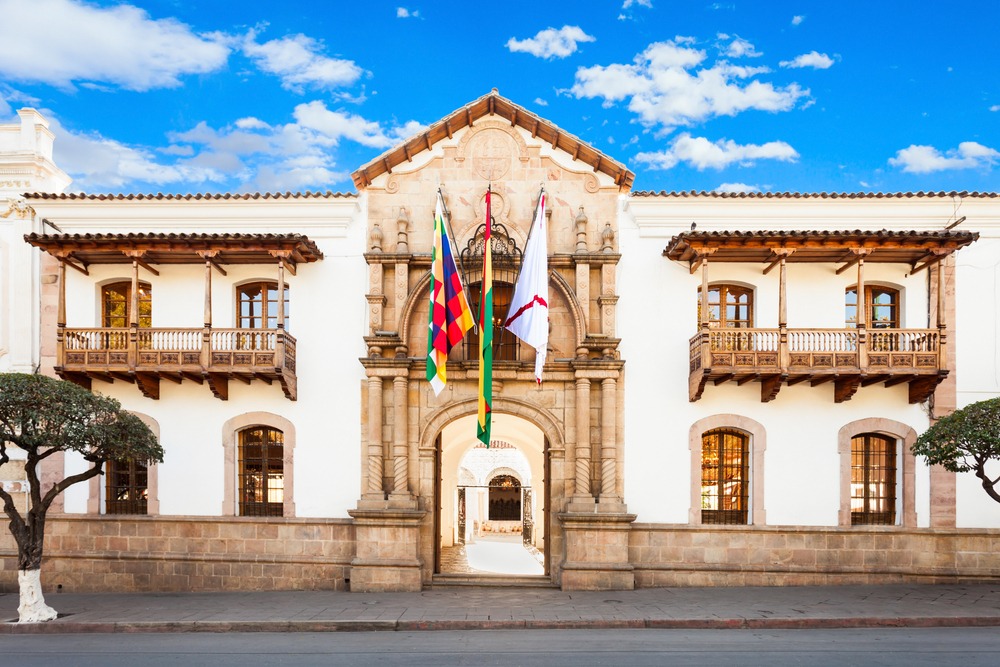
Casa de la Libertad
Premier monument national de Bolivie, la Casa de la Libertad à Sucre conserve l'acte d'indépendance de 1825 et les reliques des pères fondateurs.
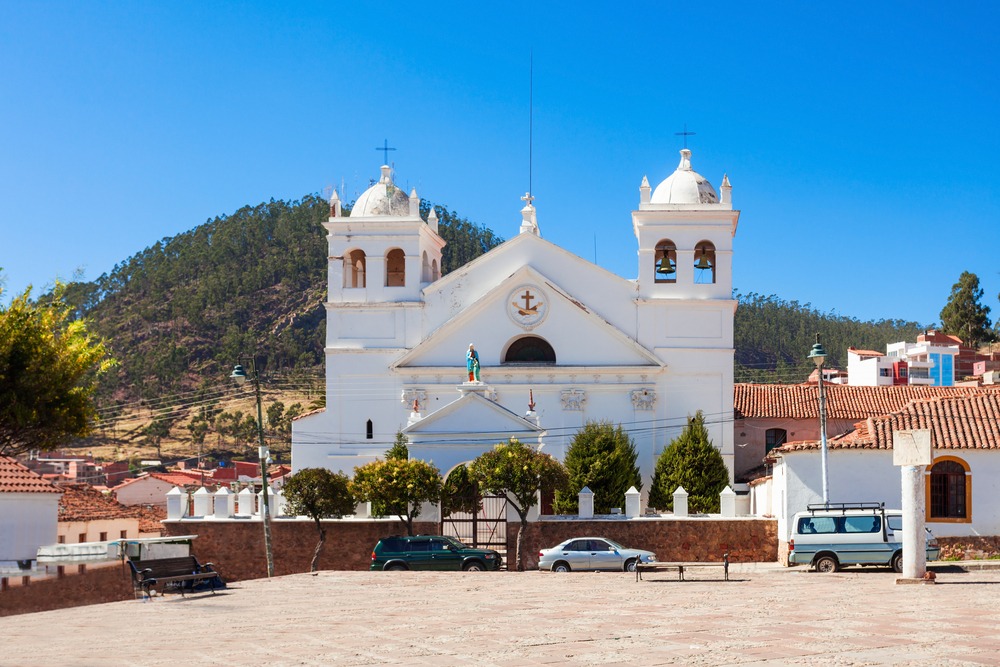
Couvent de la Recoleta, Sucre
Fondé en 1600 sur les pentes du Cerro Churuquella, le Couvent de la Recoleta réunit musée, bibliothèque ancienne et belvédère sur Sucre.
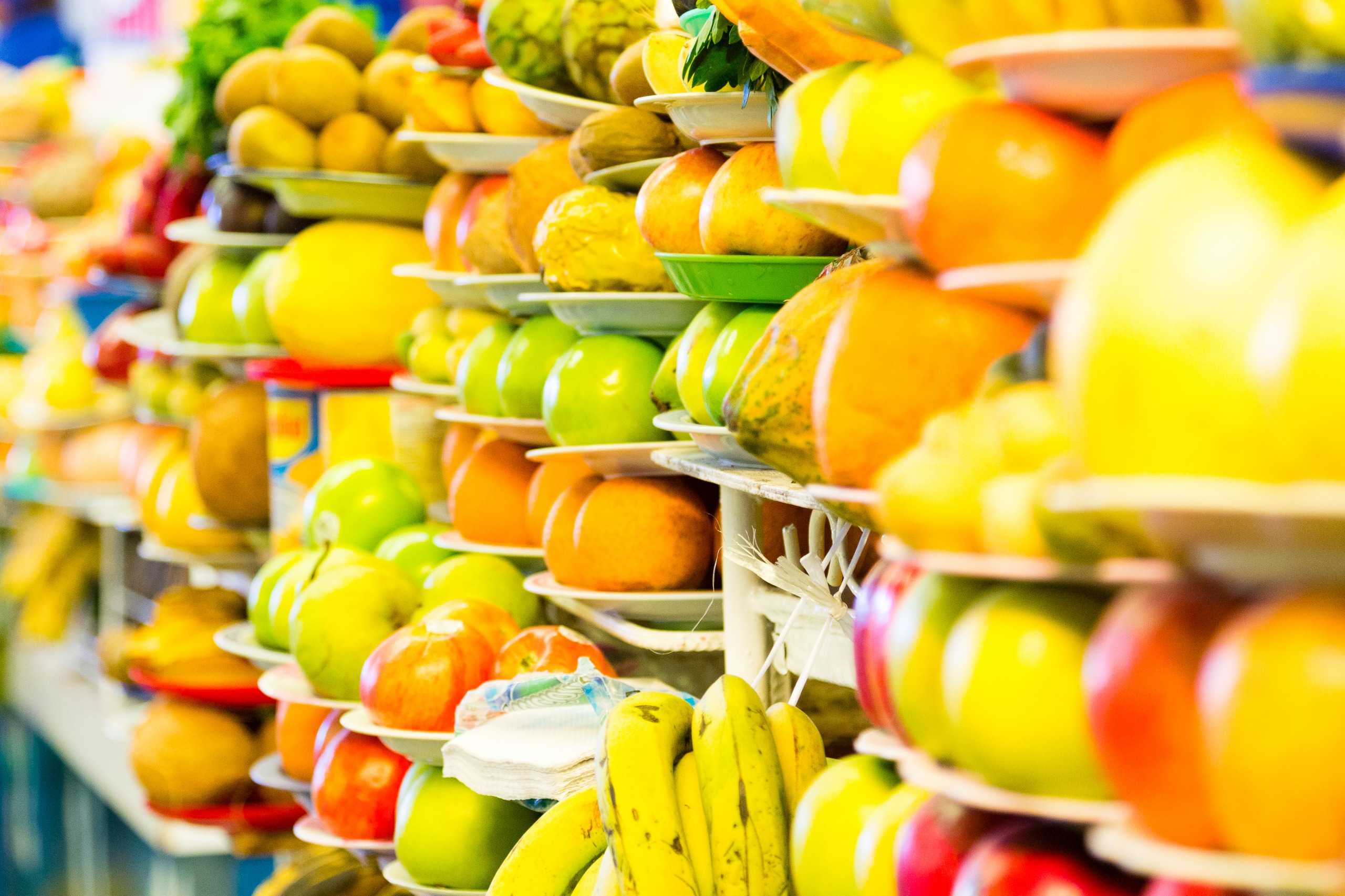
Marché central de Sucre
Sur trois niveaux à deux pas de la Plaza 25 de Mayo, le Marché central de Sucre rassemble fruits, viandes, fromages et cuisine traditionnelle bolivienne.
Want to discover this destination?
Our local advisors design your tailor-made trip.