Our 10 Must-See Destinations in Bolivia
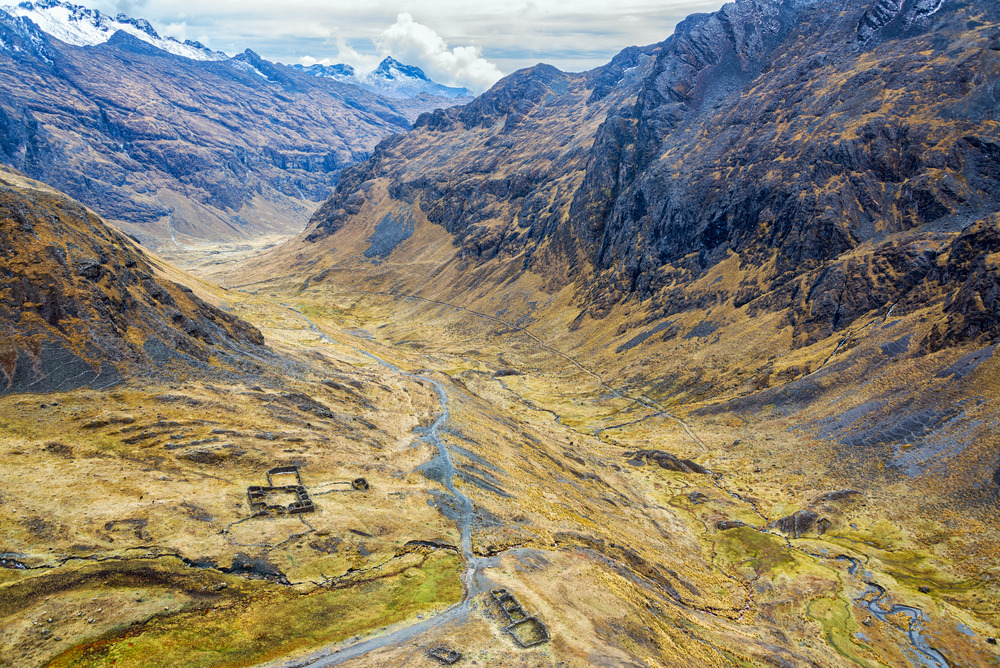
Bolivia's reputation for breathtaking landscapes speaks for itself. From its strikingly colorful mountains to its salt desert, canyons, lagoons, volcanoes, forests, lakes and rivers…
Bolivia's reputation for breathtaking landscapes speaks for itself. From its strikingly colorful mountains to its salt desert, canyons, lagoons, volcanoes, forests, lakes and rivers… You won't know where to look first! So we've rounded up the 10 must-see sites for a trip to Bolivia
1. La Paz
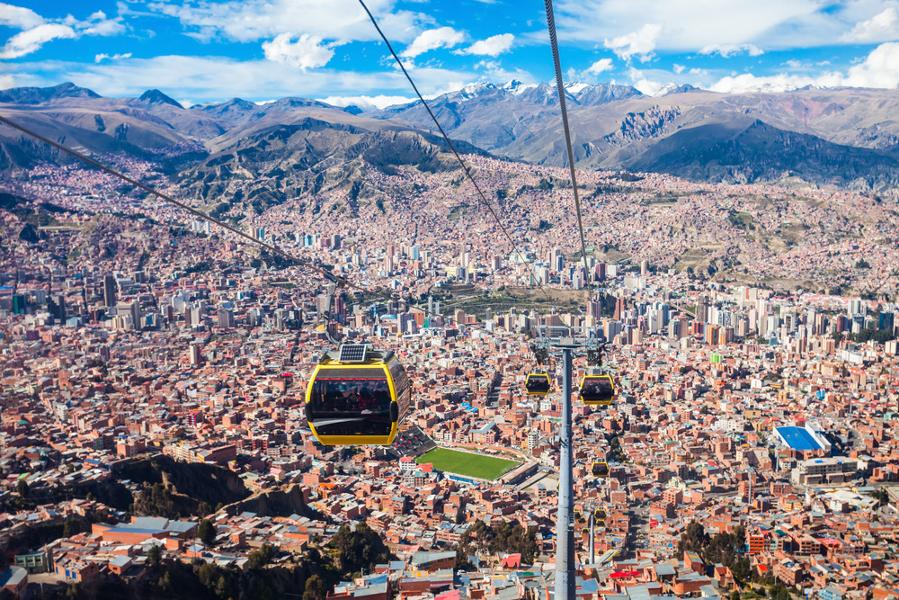
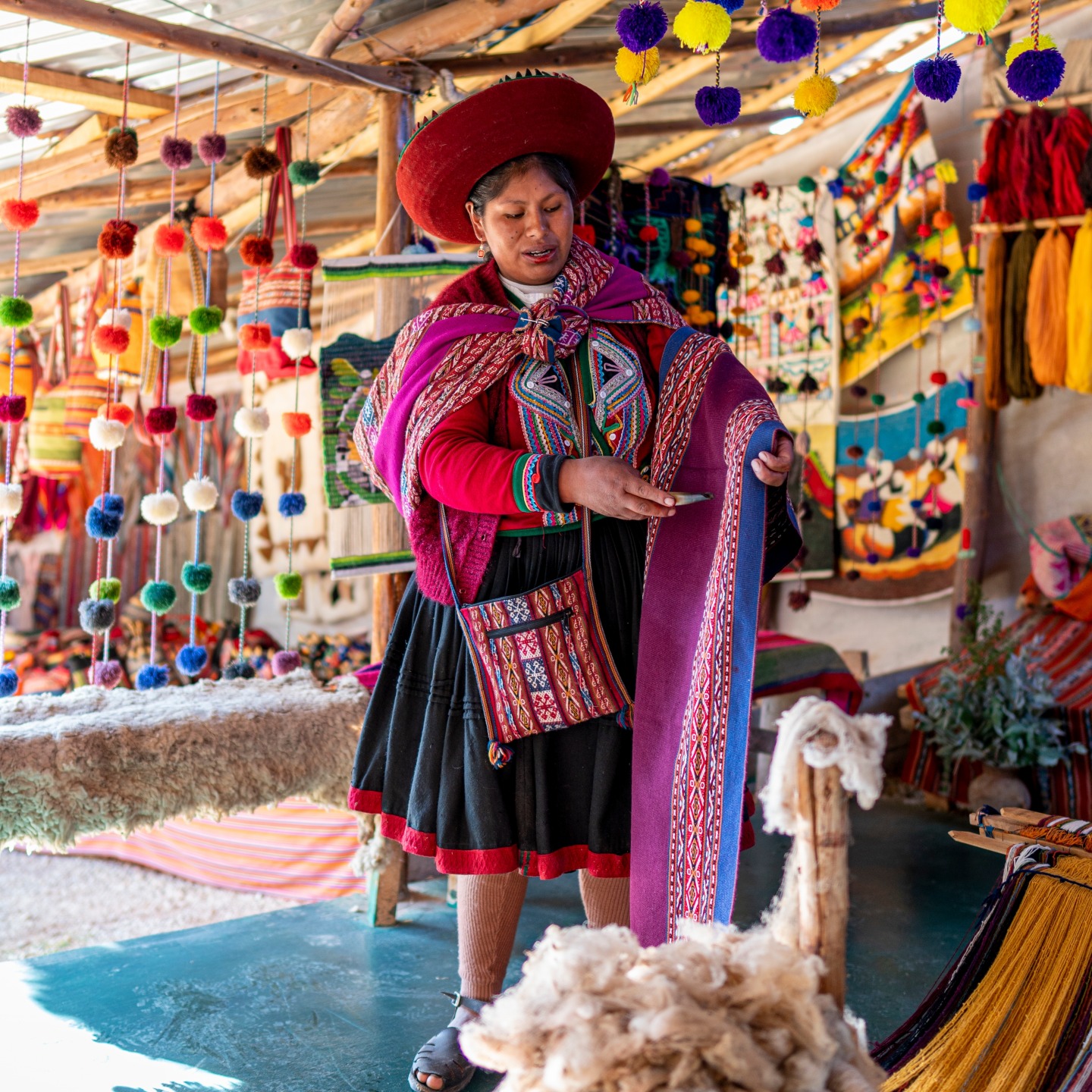
La Paz is the heartbeat of the country and one of the world's highest capitals (at approximately 3,700 meters altitude). For your first immersion into Bolivian culture, don't miss the city's famous markets such as Mercado Rodríguez or the Mercado de las Brujas, where you'll find countless mystical and witchcraft-related items!
2. The Salar de Uyuni Salt Desert
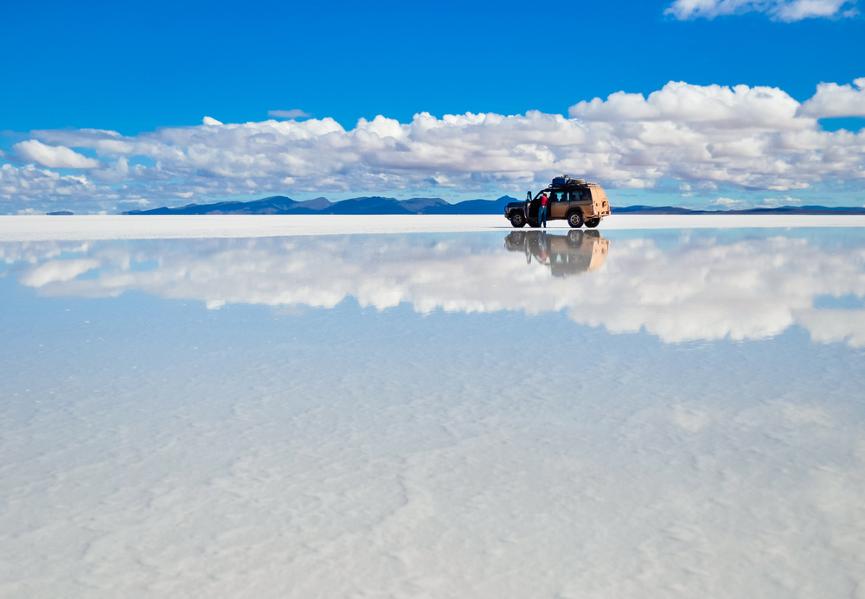
This is undoubtedly the most famous and most visited tourist site in Bolivia! And for good reason—the salt desert, known as Salar de Uyuni, is the largest in the world. What makes it special? During the rainy season, the desert transforms into a giant mirror! A masterpiece created by Mother Nature that you won't soon forget!
3. The Lunar Landscapes of Lipez
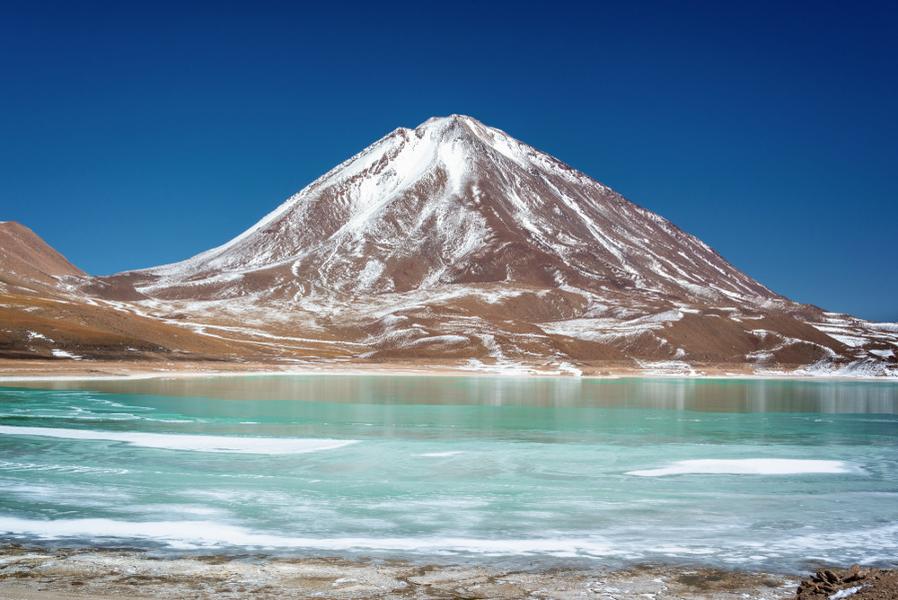
In the same region as the salt desert lie many wonders! Make the most of your escape to the Lipez province to discover its lunar and mysterious landscapes, such as the colorful lagoons where several species of pink flamingos thrive: Laguna Colorada, Laguna Verde, Laguna Hedionda, and Laguna Kollpa. Also worth discovering: the geysers and hot springs of Sol de mañana, and the incredible Dali Desert and its stone tree!
4. Lake Titicaca
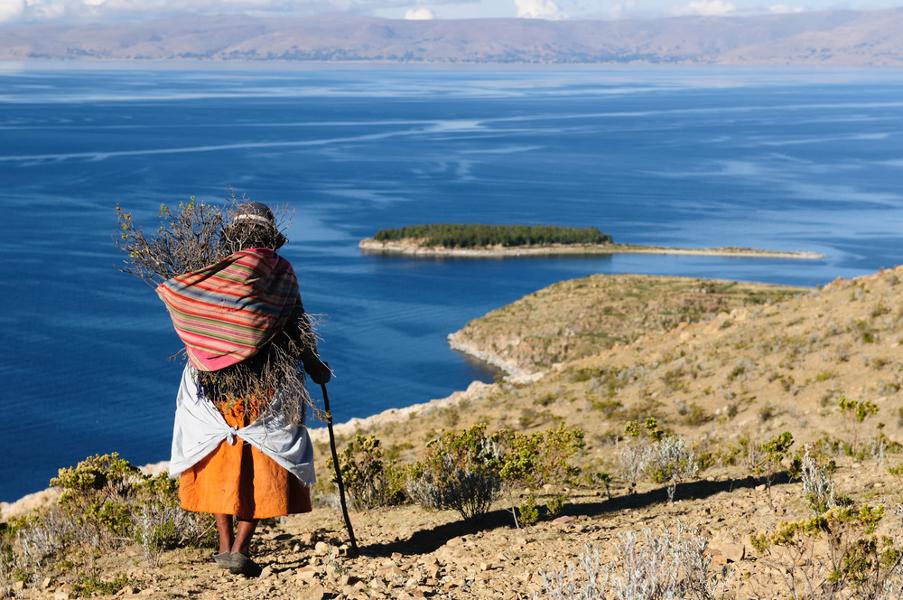
Spanning 8,372 km², Lake Titicaca is the largest freshwater lake in Latin America and the world's highest navigable lake (at 3,812 meters altitude). Nestled between Bolivia and Peru, it's a place steeped in mystery where you'll find fascinating archaeological remnants… Indeed, the lake is the cradle of the oldest pre-Columbian civilization (Tiwanaku) and, according to legend, of the Incan people!
5. The Royal Cordillera
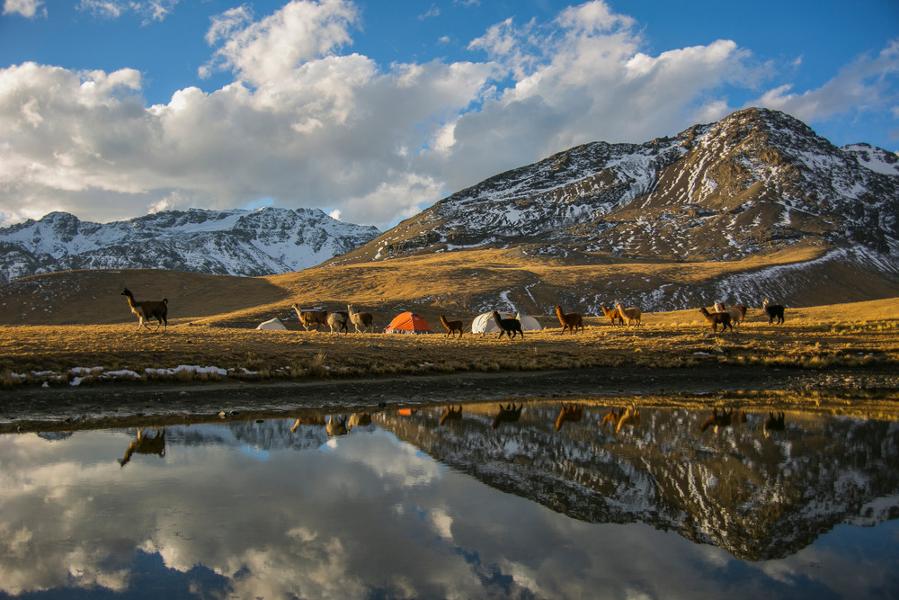
For mountain lovers and high-altitude trekking enthusiasts, a thrilling challenge awaits at the Royal Cordillera! Located in the eastern reaches of the Andes, you'll find peaks over 5,000 meters high and six summits exceeding 6,000 meters. Treks lasting 3 to 15 days allow you to explore these extraordinary landscapes in a unique setting where you'll often find yourself completely alone in the world!
6. Madidi National Park
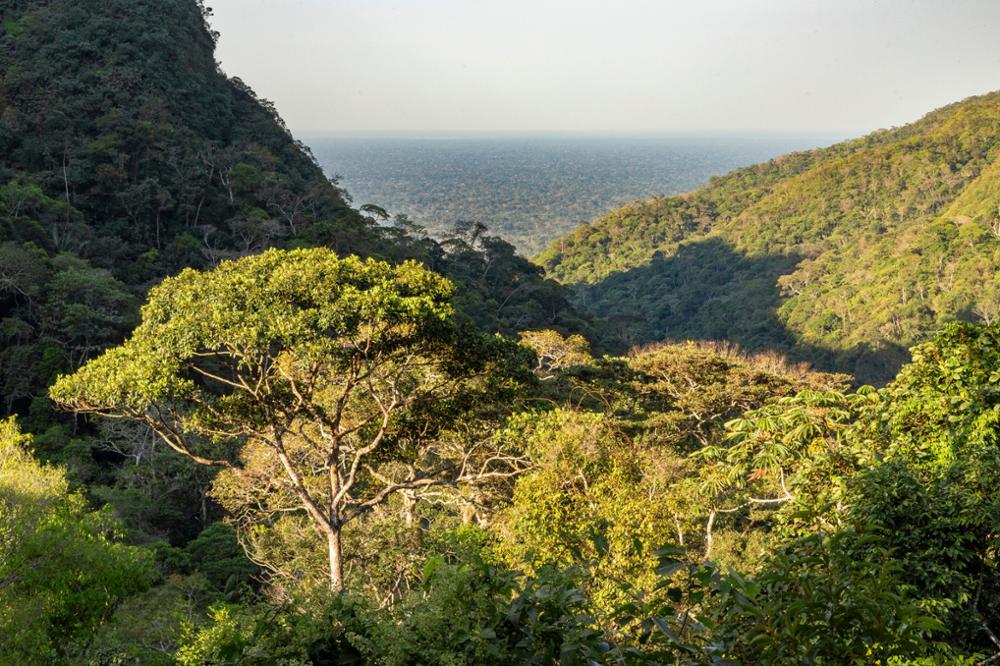
If you love nature and wildlife, Madidi National Park will delight you! Located in the Amazonian region of Bolivia, this park was awarded the title of the national park with the greatest biodiversity in the world in 2018! You'll encounter several species of macaw parrots and other exotic birds, multiple monkeys including the yellow squirrel monkey and capuchin monkey, as well as countless insects and much more…
7. Sajama National Park
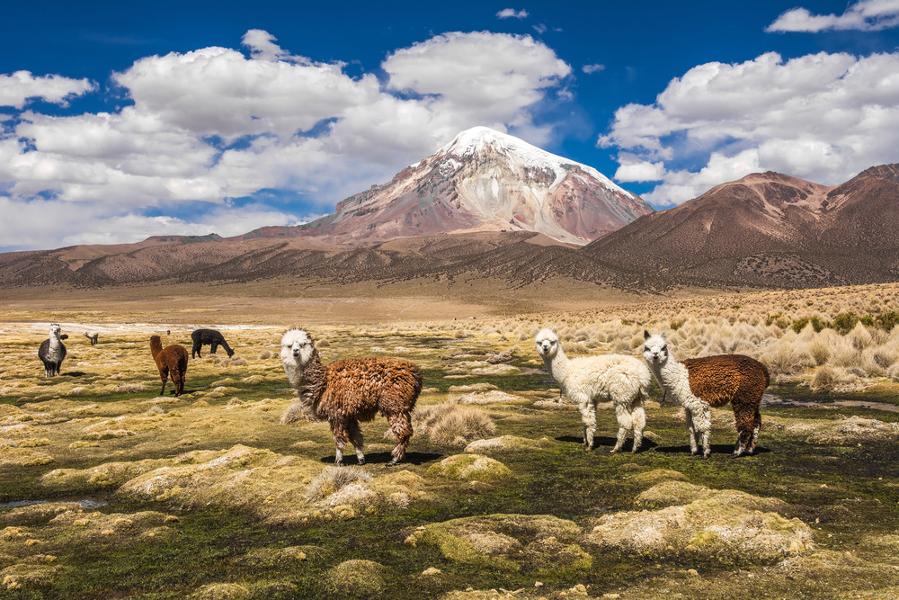
Established in 1945, Sajama National Park is the country's oldest park. It's home to three volcanoes over 6,000 meters in altitude (Sajama, Parinacota, and Pomerape), as well as lagoons, hot springs, a high-altitude forest (the world's highest), vast steppes where you'll encounter herds of llamas, vicuñas, and alpacas, plus a few charming villages… In short, you won't run short of things to do in Sajama National Park!
8. The Colonial City of Sucre
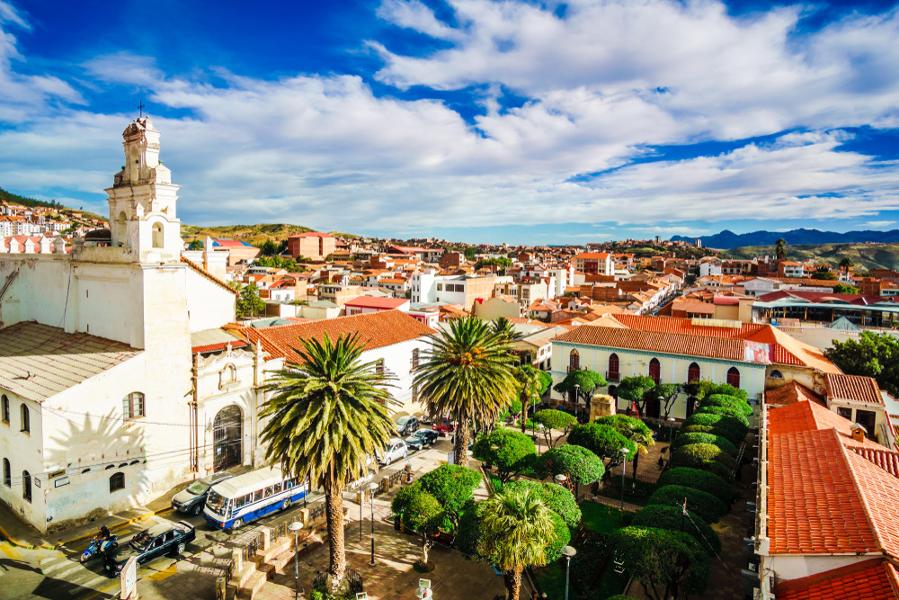
Constitutional capital of Bolivia, Sucre is a colonial city known for the white walls of its houses, which earned it the nickname 'the white city'. Winding through its charming cobblestone streets, you'll discover period buildings, colonial churches, authentic markets, and several museums that shed light on this city, which was the cradle of Bolivia's independence and revolutionary movements!
9. Torotoro National Park
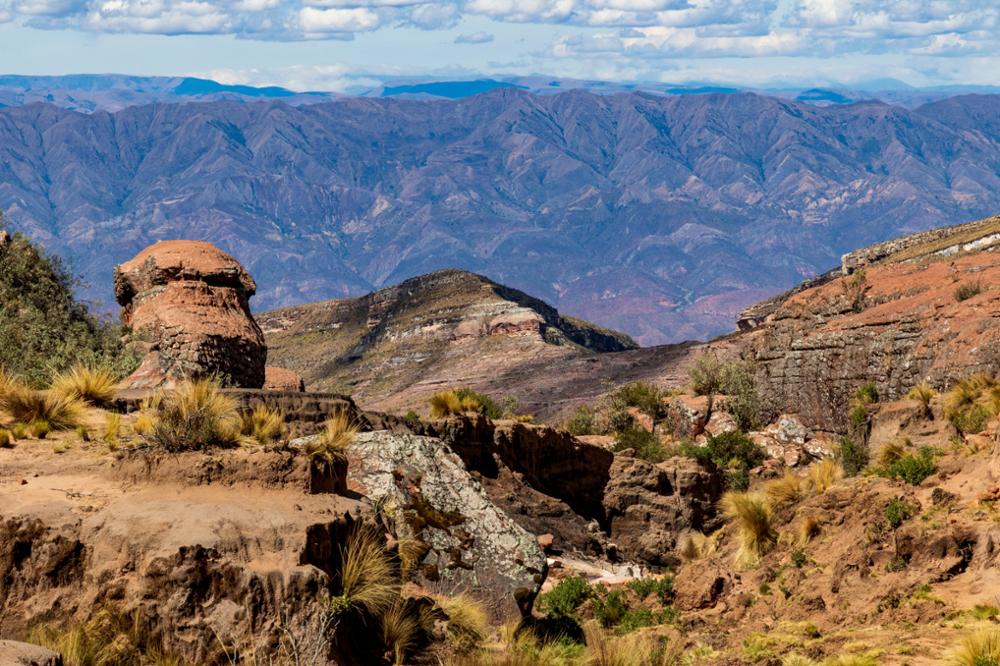
Take a journey back in time by visiting Torotoro National Park. Here, countless dinosaurs roamed over 80 million years ago! More than 3,500 dinosaur tracks dating from the Mesozoic period are waiting to be discovered. You can also embark on a caving expedition through the country's largest cavern! Perfect for both young adventurers and seasoned explorers alike!
10. The Tarija Wine Route
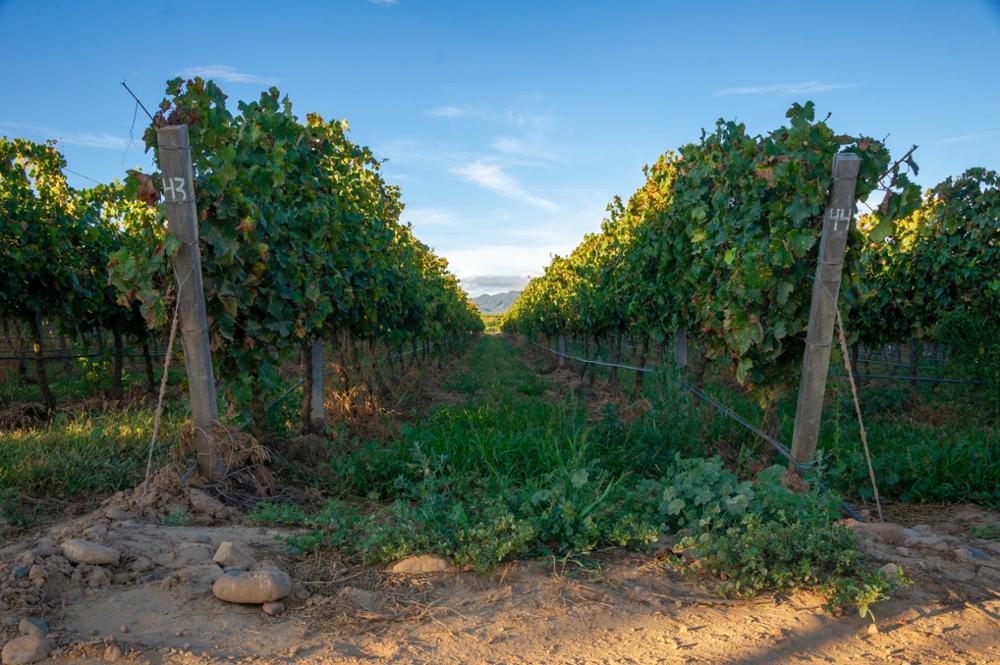
Once again, Bolivia holds a world record: that of the world's highest vineyards! To experience this, head south to the Tarija region. With its mild climate ideal for grape cultivation, Jesuit missionaries found refuge here to cultivate vineyards. Today, you'll be amazed by these lush vineyards that contrast beautifully with the ochre-colored mountains of the valley.
Frequently asked questions
The best time to visit Bolivia is during the dry season, from May to October, ideal for trekking in the Royal Cordillera and visiting national parks. To admire the Salar de Uyuni as a mirror, choose the rainy season, from December to March.
From La Paz, you can reach Uyuni by overnight bus (approximately 10 hours) or by plane (direct flight of about 1 hour). Organized 3-day tours allow you to visit the salt desert and Lipez's lunar landscapes in a single excursion.
Yes, altitude sickness (soroche) can affect travelers, especially in La Paz (3,700 m) and around Lake Titicaca (3,812 m). It's recommended to plan 2 to 3 days for acclimatization, stay well-hydrated, avoid alcohol and strenuous exercise upon arrival, and consult a physician before departure.
Madidi National Park is located in Bolivian Amazonia and is reached via Rurrenabaque, accessible by plane from La Paz (45 minutes) or by bus (approximately 20 hours). Local agencies offer eco-lodge stays within the park, ideal for observing exceptional wildlife and flora.
French, Belgian, and Swiss citizens do not need a visa to enter Bolivia for a tourist stay of less than 90 days. A valid passport is sufficient. It's advisable to check entry requirements with the Bolivian embassy before your departure.