The 4 trekking zones in Bolivia
Bolivia ranks among the best-preserved countries in Latin America. Rich in contrasting and dramatic landscapes, it offers countless hiking trails.
Bolivia ranks among the best-preserved countries in Latin America. Rich in contrasting and dramatic landscapes, it offers countless hiking trails. Between the Andes Cordillera and the Oriente plains, there's no doubt that Bolivia stands as a fabulous playground for trekkers. We've selected 4 must-see trekking zones in Bolivia for nature lovers and wilderness enthusiasts.
Royal Cordillera
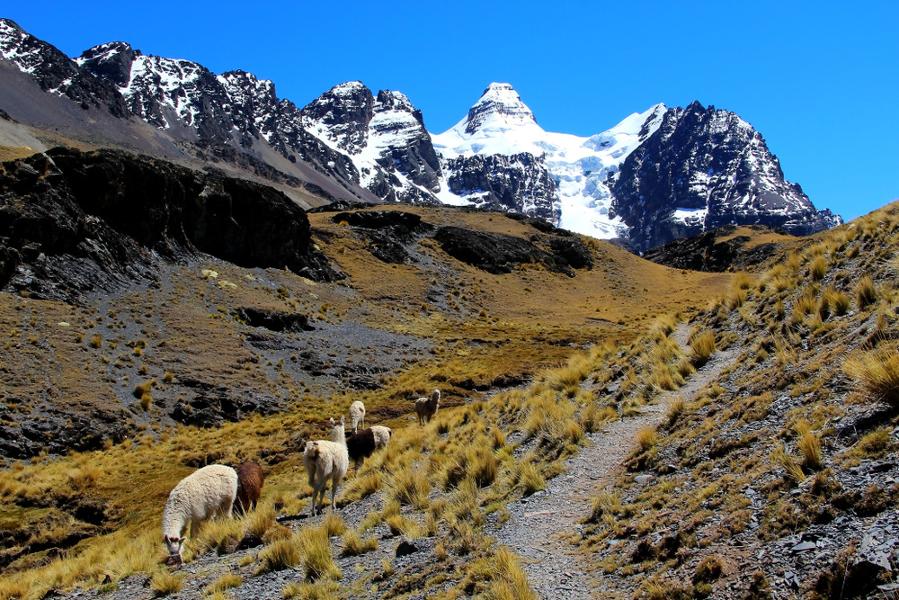
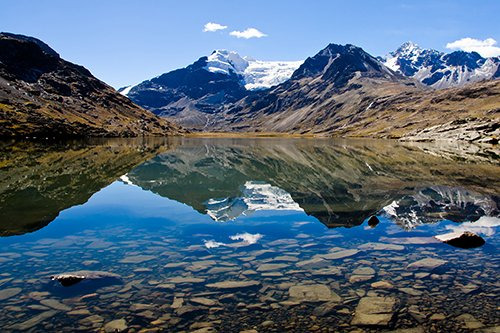
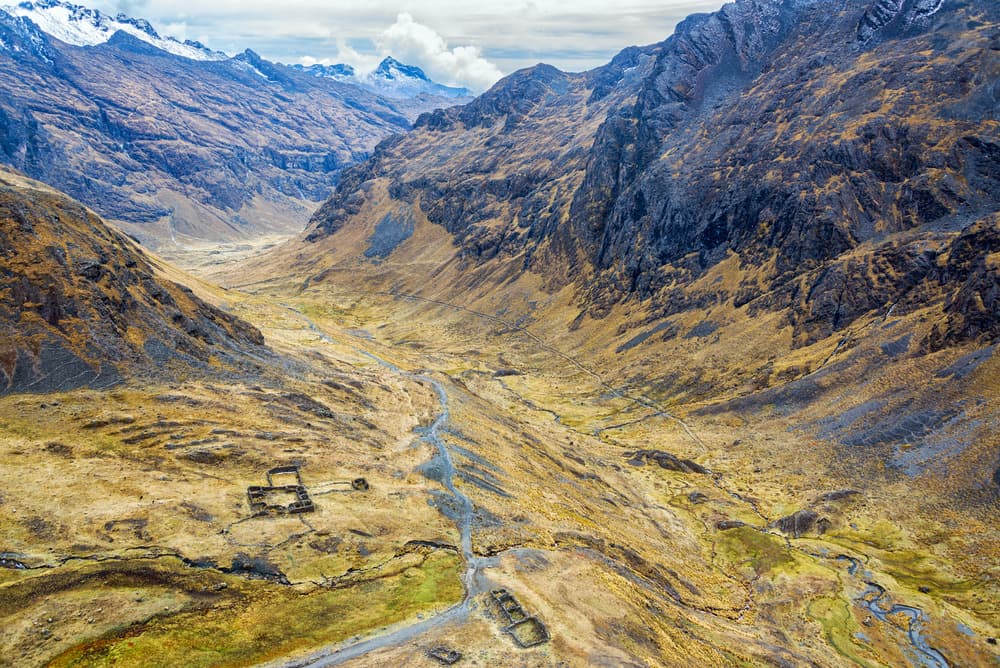
The Royal Cordillera is located in the Bolivian Altiplano north of La Paz and east of Lake Titicaca. This region is ideal for wilderness enthusiasts who love venturing off the beaten path.
The treks can be demanding but they undoubtedly immerse hikers in an authentic and unspoiled Bolivia. The challenges of the hikes are rewarded by incredible landscapes and towering peaks to conquer, such as Illimani (6,438 meters), Illampu (6,500 meters), or Huayna Potosi (6,088 meters). Acclimatization is essential to tackle these mountains!
Set off on a high-altitude trek with our Royal Cordillera Crossing itinerary!
The Oriente
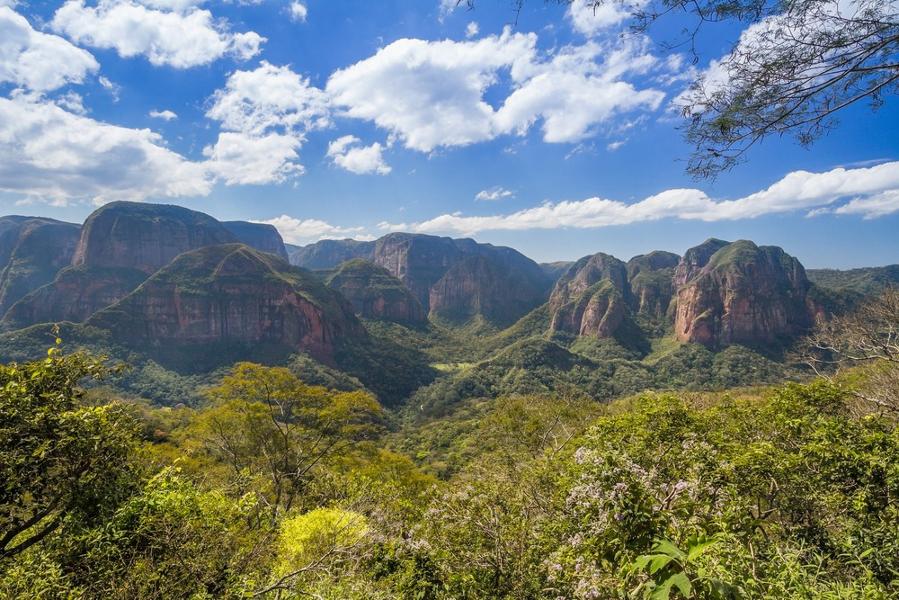
As its name suggests, the Oriente is the eastern part of Bolivia. The Oriente reveals an entirely different face of Bolivia, far from salt deserts, towering peaks, and volcanoes. This region is primarily composed of plains and Amazon rainforest, representing the country's greatest wildlife and flora reserve.
The treks lead hikers through verdant and deep valleys marked by agricultural fields. The jungle is also a fabulous trekking terrain alternating between canoe journeys and walks through lush vegetation.
=> Discover the Oriente with our Immersion in Bolivian Amazon itinerary
Lake Titicaca
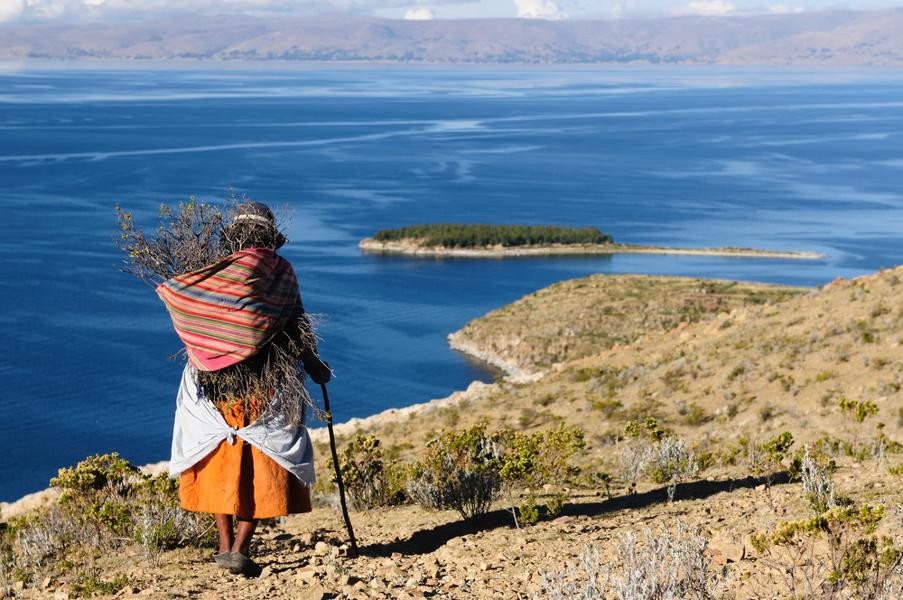
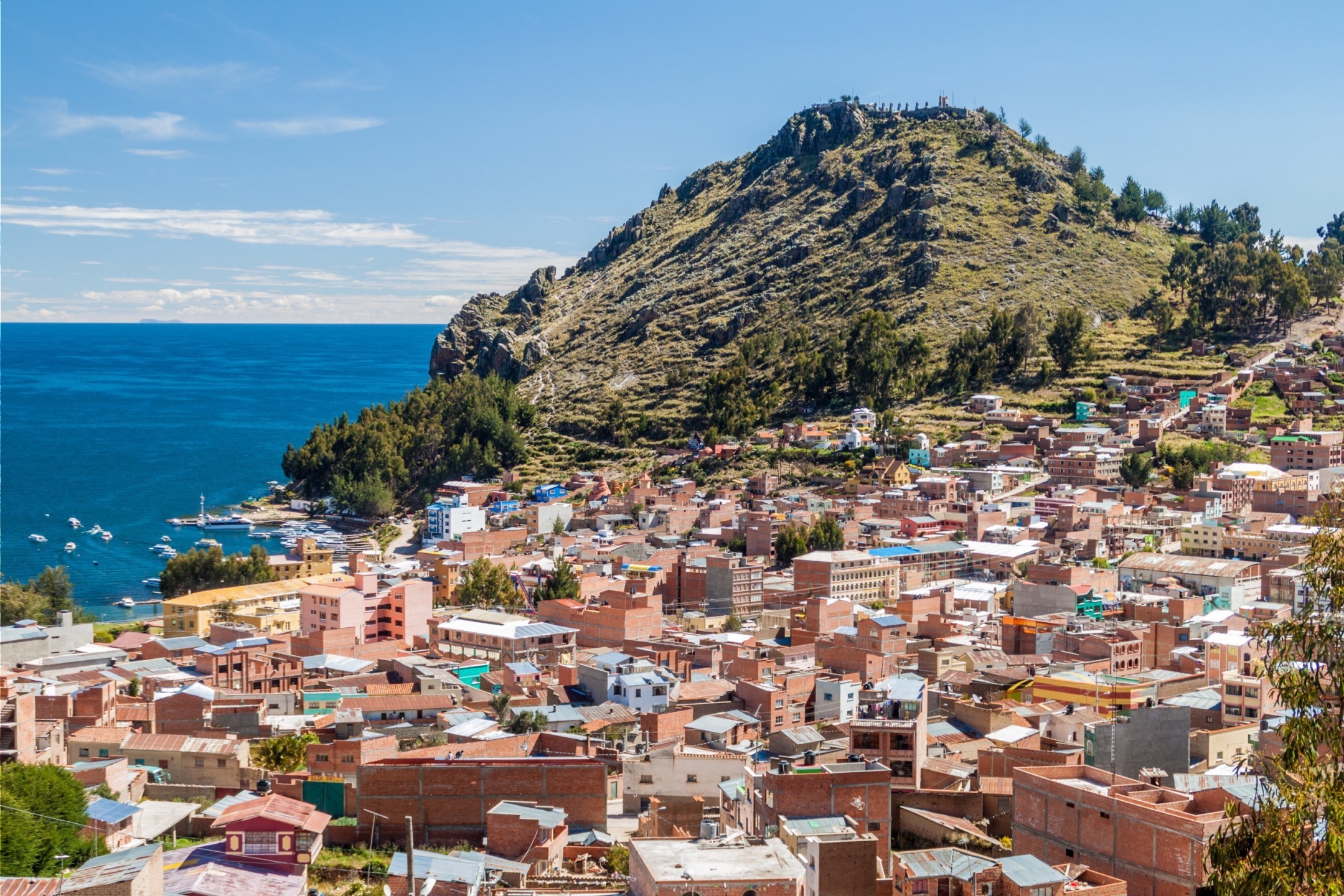
The world's highest navigable lake, Lake Titicaca sits on the border between Peru and Bolivia. The lake's shores offer countless hiking trails between mountains and water, inviting you to venture into rural life and meet local farmers.
Hikes near Lake Titicaca are relatively easy and reveal incredible views of the snow-capped peaks of the Royal Cordillera and surrounding islands. The hikes are also punctuated by archaeological discoveries bearing witness to Incan history. A few caves, waterfalls, and other natural surprises can add interest to your excursions.
The Altiplano
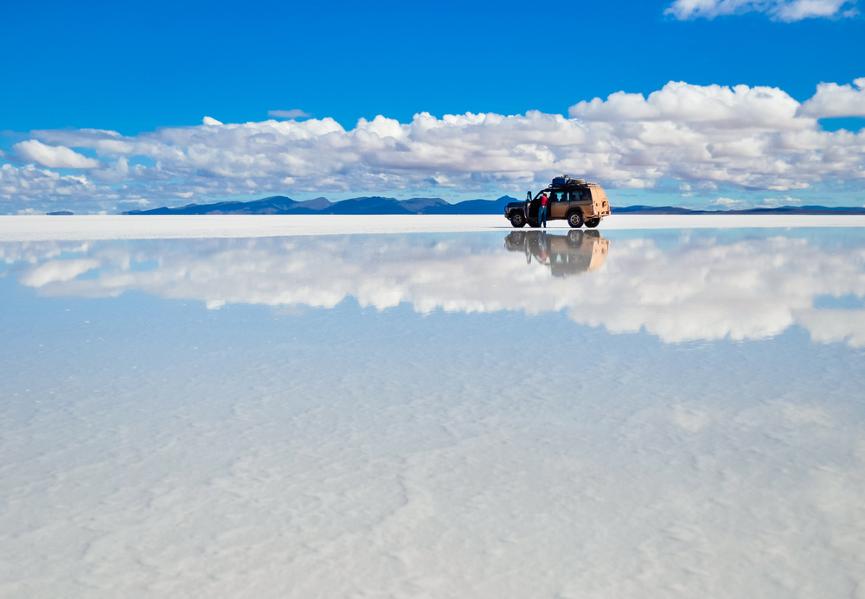
The Bolivian Altiplano is a region of high Andean plateaus situated at an average altitude of 3,700 meters, making it one of the world's highest. The Altiplano encompasses the most emblematic sites of Bolivia, such as Lake Titicaca and the famous salt flat, the Salar Uyuni, but that's not all! The Altiplano also features lakes and lagoons, the desert landscapes of South Lipez, and volcanoes to conquer such as Licancabur (5,916 meters) and Uturuncu (6,008 meters). Trekking in the region is incredible and highly renowned for the varied landscapes revealed with each day's hike.
Frequently asked questions
The best time to hike in Bolivia is the dry season, from May to October. During this period, rainfall is rare, trails are passable, and views of the Royal Cordillera peaks are clear. The rainy season (November to April) makes some trails difficult to access, particularly in the Altiplano and Royal Cordillera.
The 4 zones offer varying difficulty levels. Hikes around Lake Titicaca are relatively easy and accessible to beginners. The Oriente offers Amazon rainforest treks suitable for all levels. Conversely, the Royal Cordillera and certain Altiplano areas are more demanding due to altitude (up to 6,500 meters) and require good physical fitness as well as prior acclimatization.
Yes, acclimatization is essential for trekking in Bolivia, particularly in the Royal Cordillera and Altiplano where altitude regularly exceeds 4,000 meters. It is advisable to spend at least 2 to 3 days in La Paz (3,600 m) before undertaking high-altitude hikes. Drinking plenty of water, avoiding alcohol in the first days, and ascending progressively are golden rules for fully enjoying the treks.
Bolivia features 4 major must-see hiking zones: the Royal Cordillera with its towering peaks including Illampu (6,500 m) and Huayna Potosi (6,088 m), the Altiplano with the Salar Uyuni and the colorful lagoons of South Lipez, Lake Titicaca with its panoramic trails, and the Oriente with its Amazon rainforests and rivers to explore by canoe.
For a trek in Bolivia, it is recommended to bring warm clothing (nights at altitude are very cold), waterproof hiking boots, a sleeping bag suited to sub-zero temperatures for the Royal Cordillera, high-protection sunscreen (UV radiation is intense at altitude), and a hiking pole. Also remember to bring medication for altitude sickness.