Cholitas: The Female Expedition to South America's Highest Peak
Have you heard of the Cholitas? Indigenous Bolivian women, they were long subject to discrimination before becoming the symbol of female emancipation.
Have you heard of the Cholitas? Indigenous Bolivian women, they were long subject to discrimination before becoming the symbol of female emancipation. Through a documentary film, we take you on a journey discovering the extraordinary journey of five of them. We also tell you the story of the Cholitas and how they became true emblems of the women's struggle in Bolivie.
Cholitas, a documentary about the expedition of five women to the summit of Aconcagua
The documentary in a nutshell...
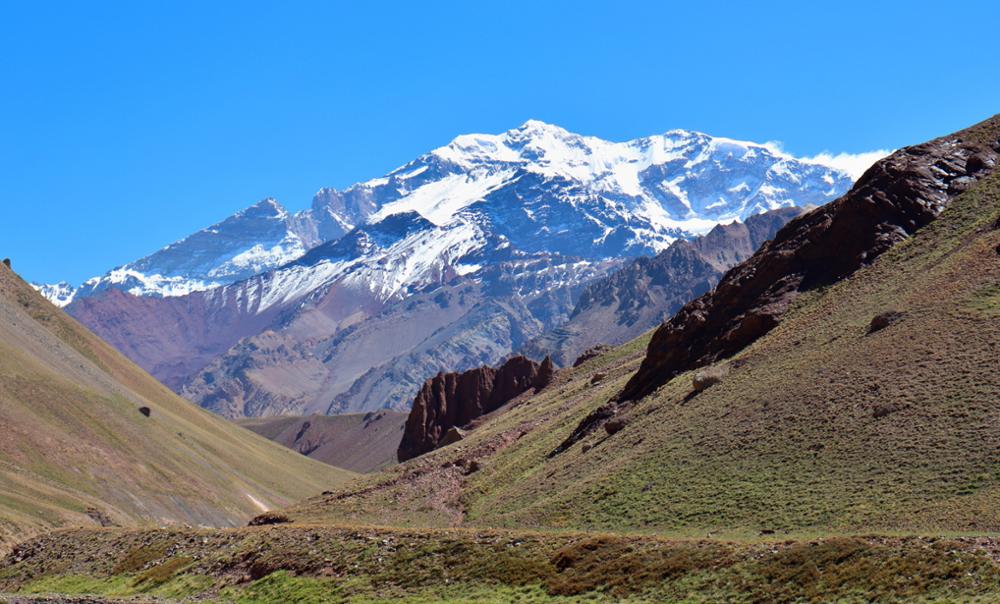
In 2019, Spanish filmmaker duo Jaime Murciego and Pablo Iraburu released an exceptional documentary about the challenge undertaken by five indigenous Bolivian women: climbing Aconcagua, South America's highest peak, located in Argentina.
These women are indigenous members of the Aymara people known as the Cholitas. Aged between 25 and 50 years old (at the time of the documentary), Dora, Lidia, Cecilia, Elena and Liita are not professional mountaineers but cooks, teachers or homemakers.
Dressed in their traditional attire and equipped only with the essentials, they set out in January 2019 to conquer South America's highest peak. Along the way, they make offerings to "Pachamama," Mother Earth. They eventually reach the summit at 6,962 meters above sea level after 20 days of climbing.
Moving and incredibly inspiring, the documentary received several awards including:
Best "mountain culture" film award at the Banff festival,
Audience Award at Grand Bivouac (Albertville),
Golden Devil at the International Alpine Film Festival of Diablerets (Switzerland), and
Special Jury Prize at Screens of Adventure (Dijon).
Discover the Cholitas documentary trailer by Pablo Iraburu and Jaime Murciego.
Focus on the Cholitas Escaladoras Beyond the documentary film, the alpinist Cholitas truly exist. They are called the Cholitas Escaladoras de Bolivia. Around a dozen other women are part of the group, in addition to those featured in the documentary. These climbers in traditional attire have already completed ascents of several mountains, including Bolivie's highest peaks such as Huayna Potosi (6,088m) and Illimani (6,462 m), mountains with sacred significance in Aymara culture. |
Who are the Cholitas in Bolivie?
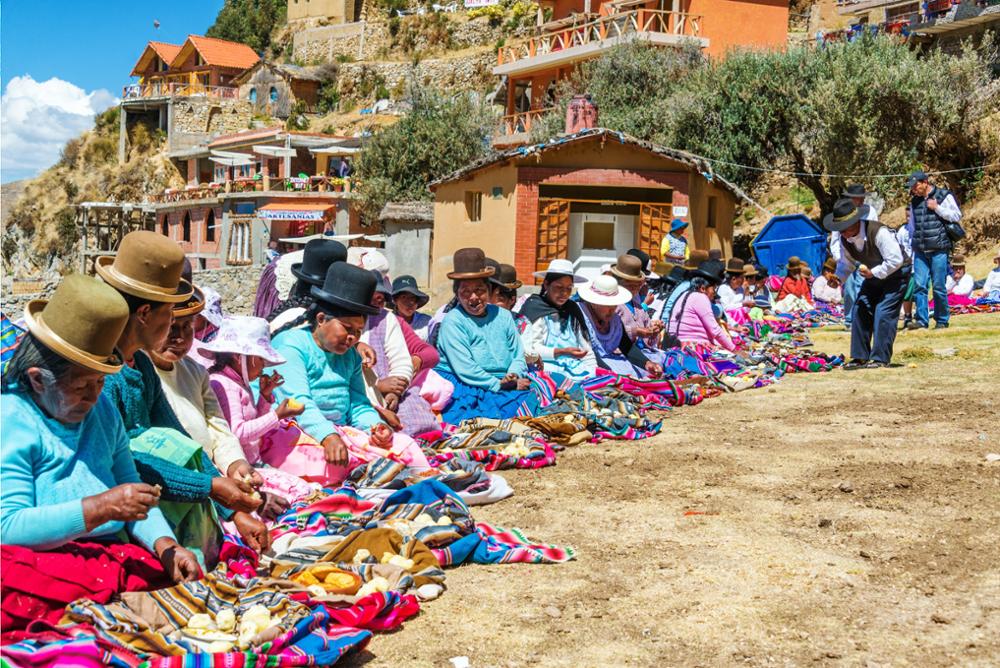
A pejorative term for indigenous people
The term Cholitas refers to indigenous Bolivian women (also called Cholas, and Cholos for men). The word was created during the era of the Conquistadors who used it to name Andean populations in a derogatory manner.
Yet Cholitas belong to the Aymara people: their ancestors were Bolivie's first inhabitants. But because they are women, indigenous and often from poor backgrounds, Cholitas were long subject to discrimination in Bolivie.
The traditional attire of Cholitas
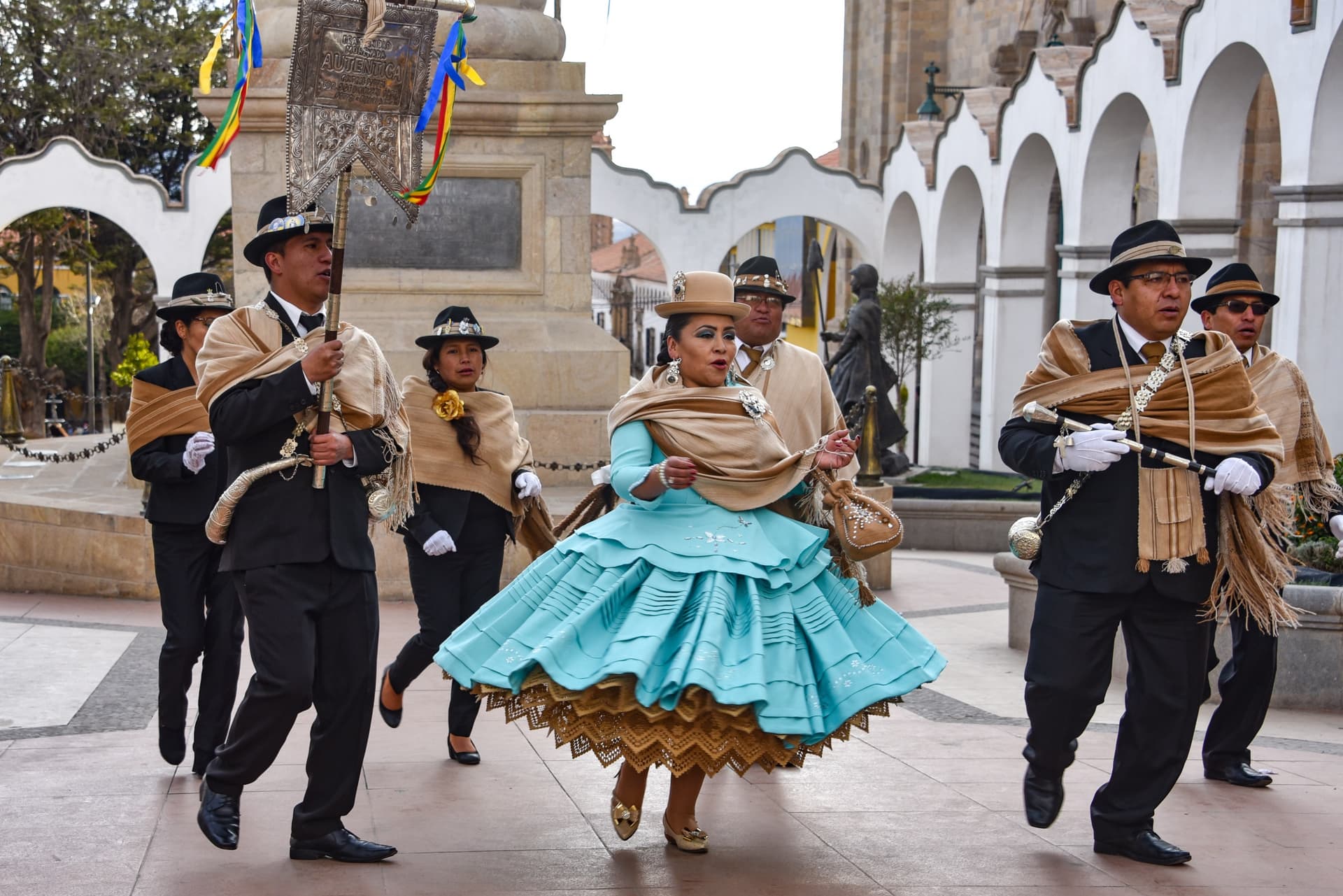
The traditional clothing of Cholitas is characterized by several distinctive elements:
A ruffled skirt (made of several layers) called a "pollera";
A colorful fabric worn on the back called an "aquayo";
A traditional bowler hat called a "bombin".
Cholitas typically have long hair styled in two braids connected by a "Tula".
Although the pollera has become a hallmark of Cholita identity today, this dress was actually established by the Conquistadors. Spanish colonizers imposed this outfit on Cholitas to distinguish them from other social classes. Indeed, Cholitas were often recruited at that time as household employees for the wealthy classes.
How did Cholitas become the symbol of female emancipation?
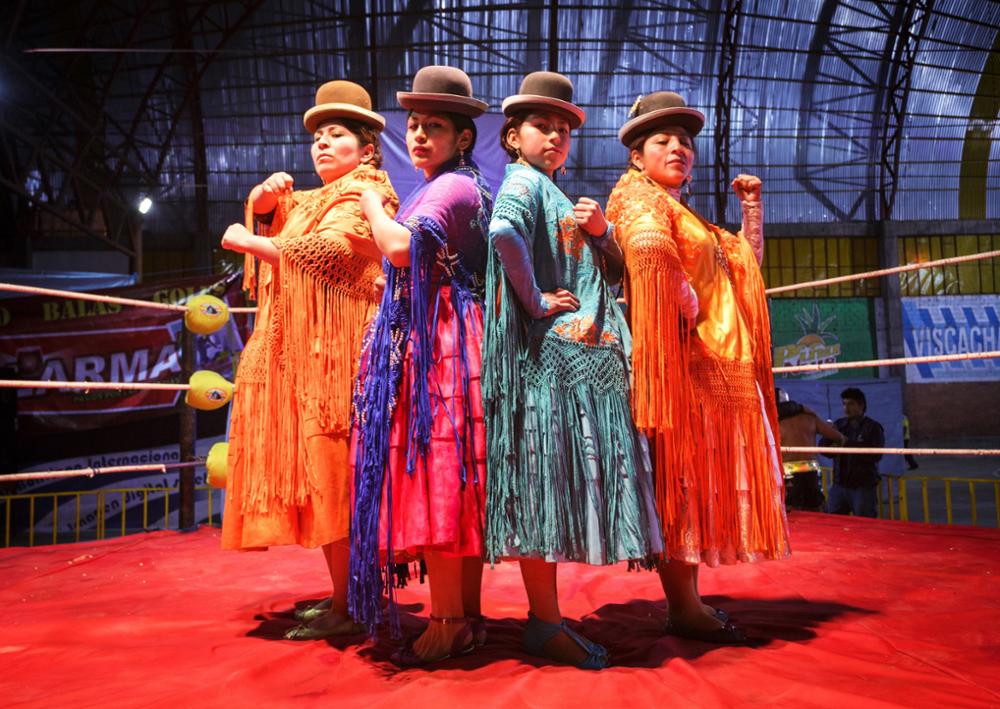
Cholitas yesterday and today
Victims of discrimination during the Spanish conquest era, Cholitas were excluded from society. They were not allowed to visit Murillo Square, the historic heart of Bolivie's capital, La Paz. They were also barred from certain public spaces such as cinemas, certain restaurants and sometimes even universities.
Long mocked, stigmatized and resigned to working in markets or handling housework and domestic tasks, Cholitas gradually emerged from the shadows, notably with the election of President Evo Morales in 2006. Indeed, this man of Aymara origin and son of a Chola, worked from his arrival in power to revitalize the identity and culture of his people's women.
The pollera becomes a symbol of perseverance and struggle
Once imposed by colonizers and long synonymous with poverty, the pollera becomes an emblem of Cholitas and a symbol of perseverance and courage. In La Paz, entire neighborhoods now dedicate themselves to making bowler hats and polleras.
Creators are evolving the design and contributing to the success of these traditional outfits through national and international fashion shows like Fashion Week. Today, the traditional attire of Cholitas evokes the claim and constant struggle waged by these indigenous women for centuries.
Cholitas in public spaces
Over time, those who were barred from universities, political sphere and cinemas are now carving out a place in public spaces. Cholitas pursue education, some have become deputies or senators, and others are forging paths in business, fashion or media.
Strong in their adaptability and fighting spirit, Cholitas continue to seize the stereotype to overturn it. Embracing all facets of their identity—indigenous, mixed-race, urban and entrepreneurial—Cholitas have never stopped and continue fighting to establish themselves in Bolivian society as independent women.
Bolivian wrestling as a symbol of the fight against violence against women
Beyond their history, cultural identity and determination, Cholitas are also known in Bolivie for practicing wrestling. They are called "Cholitas luchadoras." Every week, they can be found in the ring in the famous El Alto neighborhood, on the outskirts of La Paz (and elsewhere), where they perform, always dressed in their traditional costume.
More than just a combat sport, wrestling is for Cholitas a way to symbolize the fight against violence against women in a country where patriarchy is omnipresent (approximately 7 out of 10 women are victims of domestic violence in Bolivie).
As explained by Lissel Quiroz (doctor of history and professor of Latin American studies at CY Cergy Paris University) in the Canadian magazine L'Apostrophe:
" Cholas are not recognized, fundamentally, as being 'real women'. Society wants women to be delicate, gentle and feminine, while Cholas are much more rough. Cholitas will therefore reclaim this term, used by others in a derogatory way, and make it their own. They will use the fact that they are rougher, stronger, to do things considered 'more masculine', like wrestling, playing football or drinking like a man".
Climbers and mountaineers, wrestlers, models, political women... There is no doubt, Cholitas have succeeded in proving to the world that it is possible to be a modern and independent woman while belonging to a society with millennia-old beliefs!
Frequently asked questions
Cholitas are indigenous Bolivian women belonging primarily to the Aymara people. Long victims of discrimination, they are today the symbol of female emancipation in Bolivie. Recognizable by their traditional attire (pollera, bowler hat and aquayo), they are making their mark in politics, fashion, business and even mountaineering.
The Cholitas documentary is a 2019 film by Spanish directors Jaime Murciego and Pablo Iraburu. It follows five indigenous Bolivian women climbing Aconcagua (6,962 m), South America's highest peak. The film has won multiple international awards including the Golden Devil at the Diablerets Festival and the Audience Award at Grand Bivouac in Albertville.
The term Cholita (or Chola) originally referred to indigenous Andean women in a derogatory way, invented during the era of Spanish Conquistadors. Today, Cholitas have reclaimed this term to make it a symbol of pride, resistance and cultural identity.
The Cholitas Escaladoras de Bolivia is a group of indigenous women mountaineers who practice climbing and mountaineering wearing their traditional attire. They have notably completed ascents of Huayna Potosi (6,088 m), Illimani (6,462 m) and Aconcagua (6,962 m) in Argentina.
The Cholitas luchadoras are Bolivian women who practice wrestling wearing their traditional costume. Every week, they perform in rings, notably in the El Alto neighborhood near La Paz. More than a sport, wrestling is for them a way to denounce violence against women in a country where approximately 7 out of 10 women are victims of domestic violence.
The traditional attire of Cholitas includes the pollera (a ruffled skirt with multiple layers), the aquayo (a colorful fabric worn on the back), the bombin (a bowler hat) and two long braids connected by a tula. Although the pollera was imposed by Spanish colonizers, it is today a symbol of pride and identity for Cholitas.