Acute Mountain Sickness in Bolivie: How to Avoid It?
Along with Peru, Chile and Argentina, Bolivie ranks among the highest countries in the world. And like any stay at high altitude,
Along with Peru, Chile and Argentina, Bolivie ranks among the highest countries in the world. And like any stay at high altitude, you may encounter the notorious acute mountain sickness (AMS). While unpredictable, it's worth preparing well for it. Discover all our tips for recognizing and avoiding acute mountain sickness during your stay in Bolivie !
1. What is acute mountain sickness?
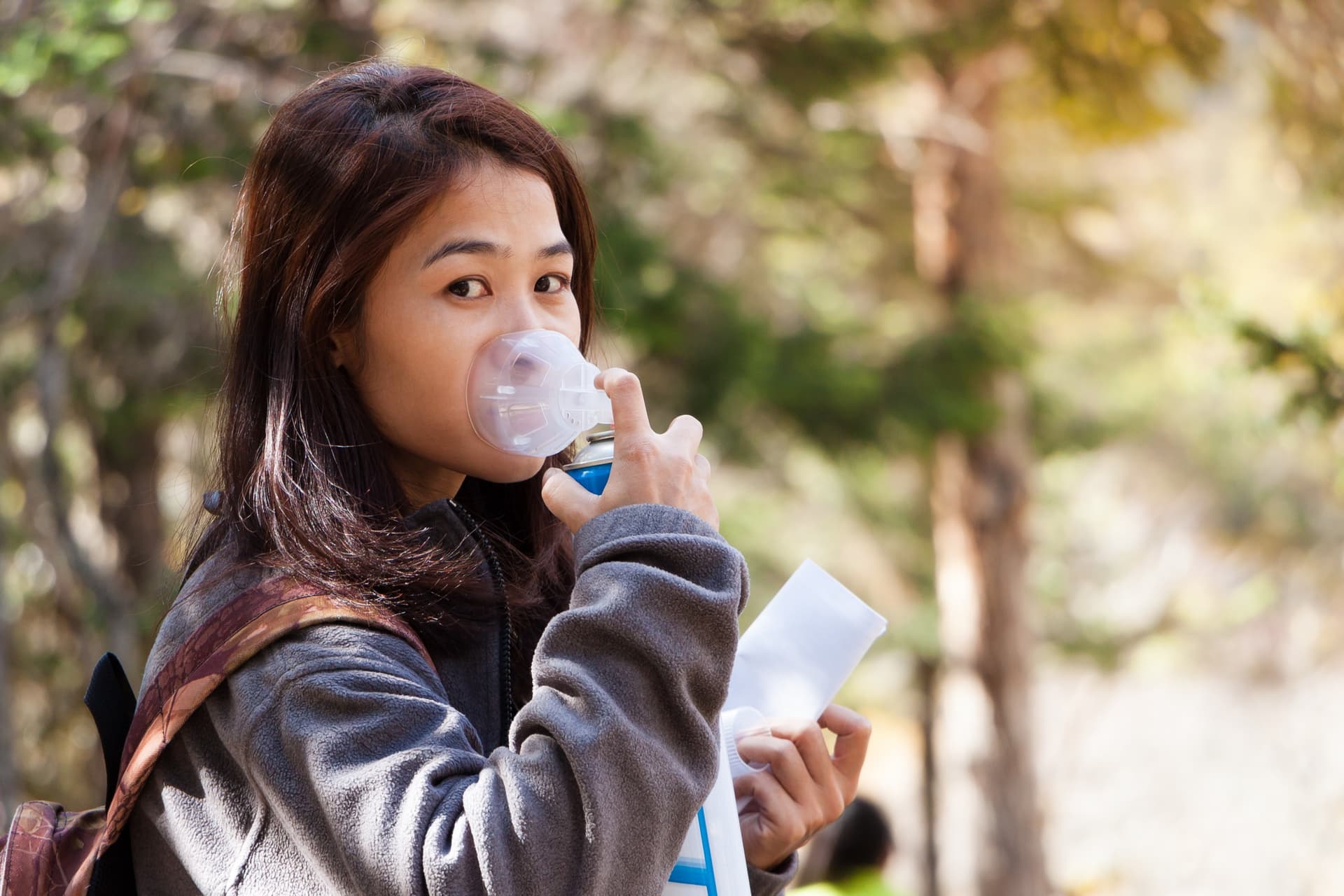
Acute mountain sickness (AMS), also called soroche in South America, is a set of symptoms caused by lack of oxygen at high altitude. While the symptoms of AMS are mostly benign, they can lead to serious complications if not taken seriously. In the most severe cases, they can result in pulmonary edema or cerebral edema.
Mountain sickness generally makes itself felt from 3,500 meters altitude, but its effects can also occur from 2,500 meters altitude. Furthermore, it's important to know that AMS can affect anyone: experienced mountaineers as well as those who are less athletic. Indeed, even with training and good physical fitness, it is entirely possible to suffer from it. This is why mountain sickness is said to be completely unpredictable, although there are several steps to take before and during a high-altitude stay to avoid it as much as possible (see paragraph 4).
2. Soroche in Bolivie
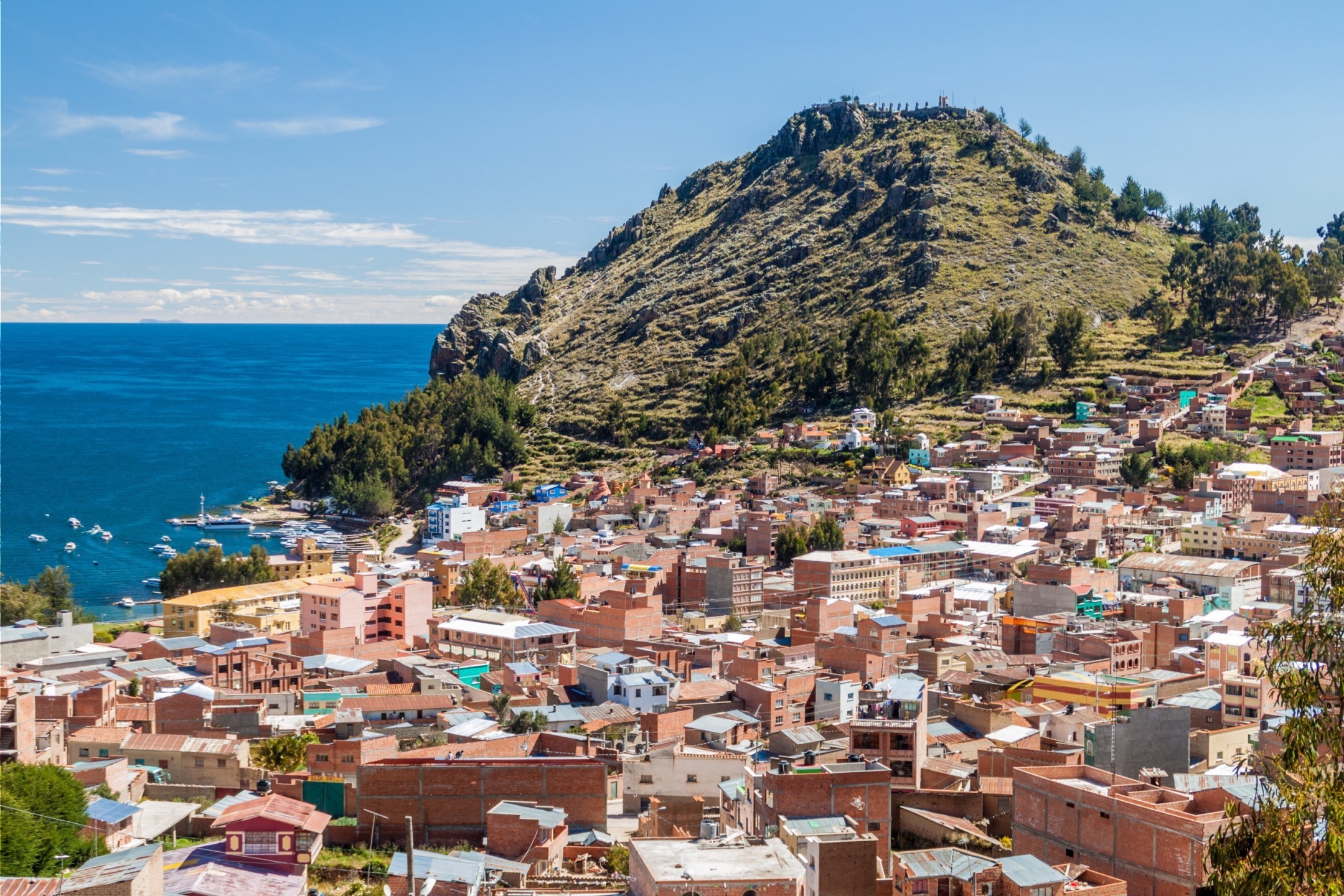
Acute mountain sickness should not be taken lightly when traveling in Bolivie, as most of the country's must-see sites are located at altitude. Royal Cordillera, eastern cordillera, Altiplano, Salar de Uyuni, Siloli Desert, Potosi, Tiwanaku… Many places of interest in Bolivie are located beyond 3,000 m altitude. And the country's administrative capital, La Paz, is even considered the world's highest capital as it rises in the Andes to over 3,500 meters altitude...
Good to know:
It is advisable to arrive by plane at Santa Cruz de la Sierra rather than La Paz so that you can then reach the Andes valleys, the valleys of Sucre and finally the Altiplano by land. This way, you give your body more time to acclimatize and you reduce symptoms.
3. How to recognize acute mountain sickness?

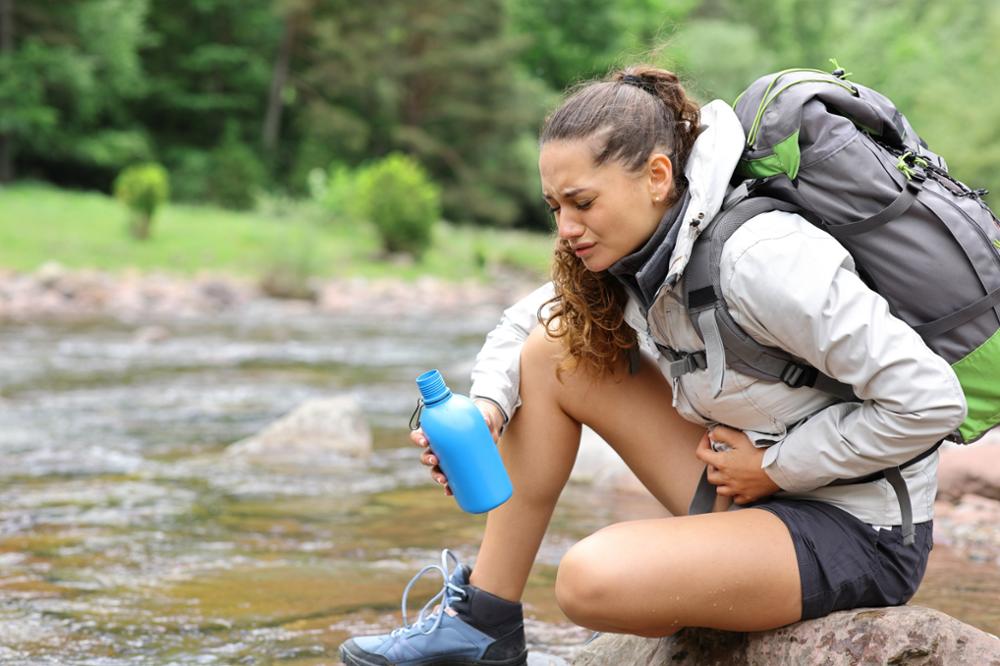
Speaking of symptoms, know that they appear on average 4 to 12 hours after arrival at altitude. The more attentive you are to the symptoms of mountain sickness, the faster you will be able to act to make them disappear.
Here is the list of the main mountain sickness-related disorders to know:
headaches,
feeling of fatigue and sleep disturbances
shortness of breath,
dizziness, balance disturbances and lightheadedness,
nausea and vomiting,
loss of appetite and digestive disorders,
irritability.
4. How to avoid acute mountain sickness in Bolivie?

As we mentioned, we are not all equal when it comes to mountain sickness. And while it can affect anyone, there are basic rules to know to prevent it or reduce its symptoms. Discover our tips for avoiding mountain sickness during your trip to Bolivie.
Prepare before departure
Although good physical fitness has no influence on mountain sickness, it is better to be well prepared before setting out on a high-altitude expedition. To do this, nothing beats practicing cycling or hiking at altitude before your stay. We also recommend that you consult your doctor to check that you have no deficiencies or particular conditions and to ensure that your health allows you to travel in the mountains. You can also consult a center specializing in mountain medicine.
Acclimatize gently
If there is one rule to know to reduce the effects of mountain sickness, it is acclimatization. We can't say it enough, but it is essential to take it easy to allow your body to get used to the altitude. It is recommended to take a few days of rest upon arrival at altitude and to limit physical exertion before undertaking a climb.
During high-altitude hikes, carefully listen to the instructions from our guides. Our circuits are designed so that hikers can acclimatize gently by following several stages. You could, for example, make an ascent and then descend for the night. In general, you should avoid climbing more than 400 meters per day beyond 3,500 m altitude.
Eat light, stay well hydrated, and avoid alcohol and tobacco
Whether during a trek or during a high-altitude stay, here are the steps to take to help your body acclimatize:
Avoid physical exertion: even if you feel in great shape, conserve your energy as much as possible.
Eat light and balanced meals: during the first days of your stay or climb, it's best to avoid heavy feasts. Instead, eat light and balanced meals to facilitate digestion. During a trek, remember to refuel regularly (cereal bars, dried fruit, etc.).
Stay well hydrated: drink as much as possible, even if you're not thirsty. At altitude, your body can retain water, which can cause headaches. Therefore, you should drink plenty of water, at least 3 to 4 liters per day.
Don't drink alcohol and don't smoke: with the lack of oxygen, you will likely experience shortness of breath and breathing difficulties. It is therefore better to stop smoking to avoid worsening symptoms. Similarly, avoid consuming alcohol, as altitude increases its effects, which can harm your body.
To conclude, the best thing to do when you suffer from mountain sickness is to rest. You can also relieve your headaches by taking paracetamol. If symptoms persist, descend 300 to 400 meters and rest (again and again). And if it doesn't improve, descend to the lowest altitude and quickly consult a doctor.
Frequently asked questions
Acute mountain sickness can be felt from 2,500 meters altitude, but its effects are generally more pronounced from 3,500 meters. The majority of Bolivie's must-see sites, including La Paz (3,500 m), the Salar de Uyuni and Potosi, exceed this altitude, making acclimatization essential.
Soroche is the local name given in South America to acute mountain sickness (AMS). It designates the set of symptoms caused by lack of oxygen at high altitude: headaches, fatigue, nausea, shortness of breath and dizziness. It can affect any traveler, regardless of their physical fitness.
There is a preventive medication, Diamox (acetazolamide), sometimes prescribed by doctors to facilitate acclimatization. Locally, coca tea (coca mate) is traditionally used to relieve symptoms. Consult your doctor before departure to determine the treatment best suited to your situation.
In general, it is recommended to plan 2 to 3 days of rest and light activity upon arrival at altitude before undertaking demanding hikes. Ideally, arrive first at Santa Cruz (low altitude) before progressively moving to the highlands to allow your body to adapt gently.
If your symptoms persist or worsen despite rest, immediately descend 300 to 400 meters. If improvement is not rapid, descend to the lowest possible altitude and consult a doctor without delay. Worsening symptoms can lead to pulmonary or cerebral edema, which is a medical emergency.